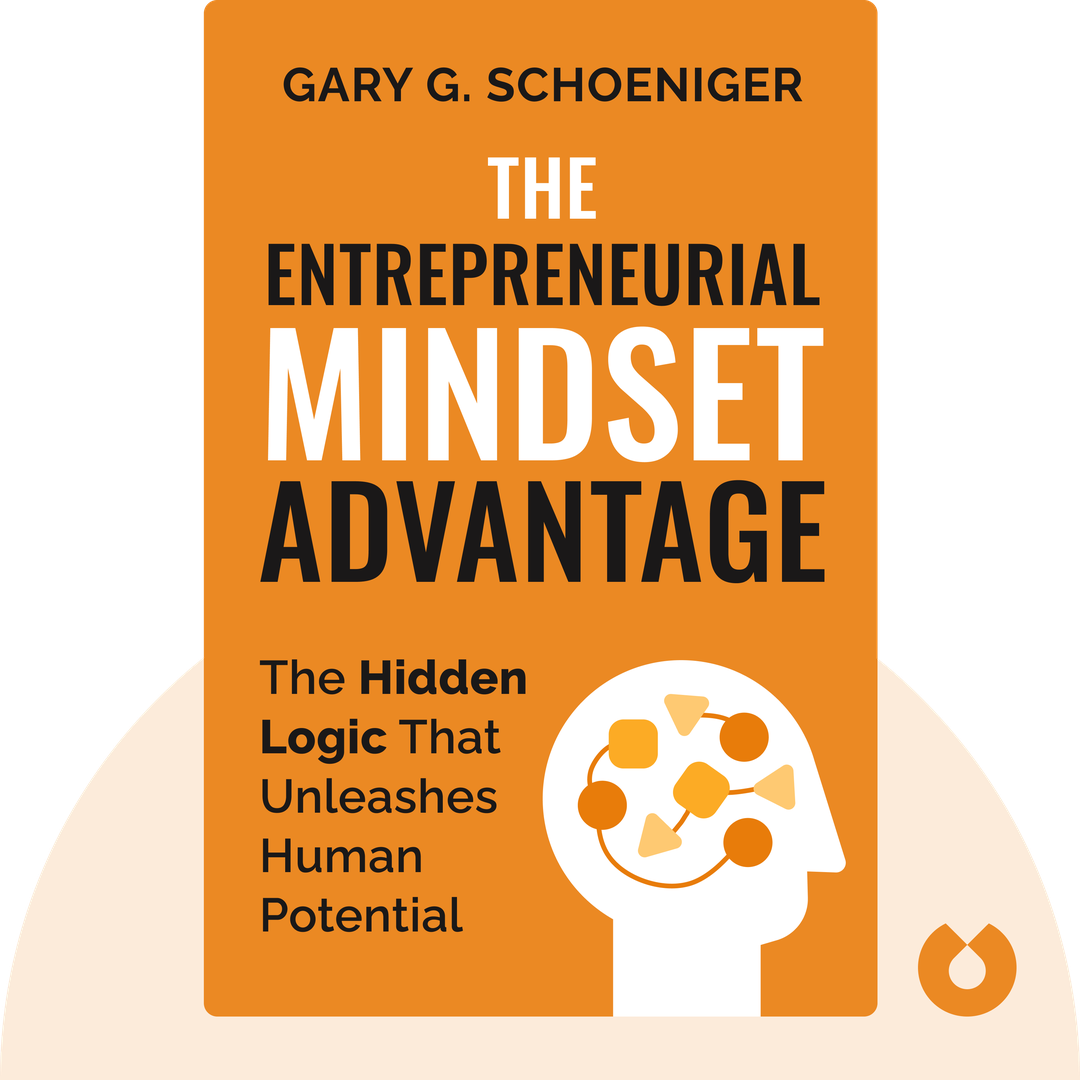
The Entrepreneurial Mindset Advantage
Start ListeningDownload Try free on iPhoneScan to start in 5 seconds
Categories:
If You're Curious About These Questions...
You should listen to this audiobook
- What if you could learn to spot high-value opportunities in the exact same places where everyone else sees only problems?
- Did you know that the secret to consistent innovation isn't rare talent, but a specific way of thinking rooted in motivational science?
- Have you ever wondered what's the secret to creating massive value out of thin air, even when you lack the resources you think you need?
Listen to The Entrepreneurial Mindset Advantage — Free Audiobook
Loading player...
Key Takeaways from The Entrepreneurial Mindset Advantage
- Discover how to thrive in a rapidly changing world by shifting your focus from your current job title to your ability to adapt and create value.
- Learn how to build successful ventures without startup capital or fancy degrees by noticing everyday problems, starting small, and delivering exceptional work.
- Understand the hidden psychological 'iceberg' of deep-seated assumptions that silently dictate which opportunities you notice and whether you take action.
- Find out how to unlock lasting motivation and override your brain's resistance to change by fulfilling three core human needs: autonomy, competency, and relatedness.
- Master a practical discovery process that minimizes risk by prioritizing careful observation before rushing to launch new products or services.
Learning Tools
Reinforce what you learned from The Entrepreneurial Mindset Advantage
Mind Map
The Entrepreneurial Mindset Advantage
The Core Philosophy+
Psychology of Success+
The Discovery Process+
Organizational Transformation+
Building the Future+
Quiz — Test Your Understanding
Question 1 of 7
What is the primary lesson from Ted Moore's story about starting a cleanup business?
Question 2 of 7
When comparing a person's mindset to an iceberg, what do the deeply submerged, invisible parts represent?
Question 3 of 7
According to the text, which three basic human needs help override the brain's natural resistance to change when properly engaged?
Question 4 of 7
In the practical discovery process, what is the primary purpose of a Minimum Viable Product (MVP)?
Question 5 of 7
What does the story of Maria Santos, who initially sold homemade salsa, illustrate about the entrepreneurial discovery process?
Question 6 of 7
How do successful organizations balance traditional management with entrepreneurial thinking?
Question 7 of 7
What approach did Jim Correll take to transform a struggling community college program in southeast Kansas?
The Entrepreneurial Mindset Advantage — Full Chapter Overview
- 1Recommendation
- 2Why the world requires entrepreneurial thinking
- 3The hidden mechanics of entrepreneurial success
- 4The pragmatic discovery process
- 5Transforming organizations
- 6Shaping the future
The Entrepreneurial Mindset Advantage Summary & Overview
The Entrepreneurial Mindset Advantage (2024) shows you how to spot hidden opportunities, fuel your creativity, and transform your life. It weaves everyday entrepreneurial insights with motivational science, delivering practical ways to think and act like an innovator. By using these principles, you can tap into a resourcefulness that boosts your success and empowers everyone around you.
Who Should Listen to The Entrepreneurial Mindset Advantage?
- Aspiring entrepreneurs looking to develop a problem-solving mindset
- Business leaders seeking to foster innovation within their teams
- Educators and mentors aiming to teach practical entrepreneurial thinking
Books Similar to The Entrepreneurial Mindset Advantage
Readers who enjoyed this also liked these titles.