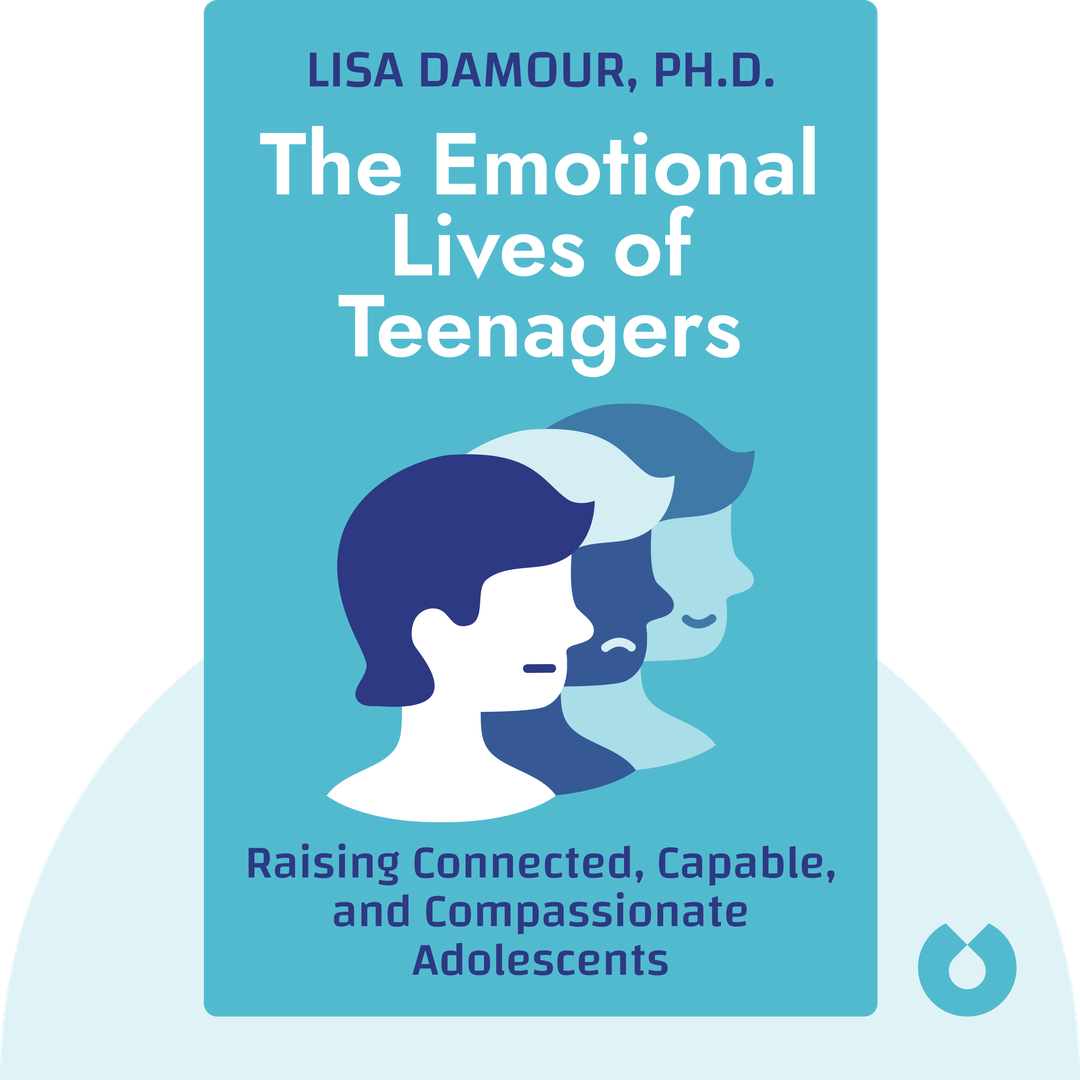
The Emotional Lives of Teenagers
Start ListeningDownload Try free on iPhoneScan to start in 5 seconds
Categories:
If You're Curious About These Questions...
You should listen to this audiobook
- What's the secret to staying connected with your teenager when they seem to be pulling away?
- Are you curious about why your teen's emotions can shift so dramatically from one moment to the next?
- Can you really teach your teenager to navigate their emotions in a way that sets them up for lifelong success?
Listen to The Emotional Lives of Teenagers — Cinematic Audio Edition
Loading player...
Key Takeaways from The Emotional Lives of Teenagers
- Discover why emotions are valuable data rather than the enemy of reason, and how teaching your teen to trust their instincts can protect them from peer pressure.
- Learn how to navigate your teen's shift from rational 'cold cognition' to socially charged 'hot cognition' by planning safety strategies with them while they are calm.
- Understand why shielding your child from difficult emotions actually hinders their growth, and discover how validating their pain builds long-term resilience.
- Find out why frequent emotional meltdowns at home don't mean your teen is unstable, but rather prove that they trust you enough to use you as their safe space.
- Master the challenge of your teen's sudden hostility by recognizing it as 'separation-individuation,' a normal developmental phase where they must untangle their identity from yours.
Learning Tools
Reinforce what you learned from The Emotional Lives of Teenagers
Mind Map
The Emotional Lives of Teenagers
Debunking Adolescent Myths+
The Teenage Brain & Behavior+
Expressing Emotions+
Controlling Emotions+
Quiz — Test Your Understanding
Question 1 of 7
According to the text, why might a usually level-headed teen engage in risky behavior when with peers?
Question 2 of 7
If your teen frequently has emotional meltdowns at home, what does the author suggest this likely indicates?
Question 3 of 7
Why might a teenager suddenly find a trait they share with their parent, such as a love for sports, to be excruciating?
Question 4 of 7
When listening to your teen vent about a frustrating situation, what role does the author recommend parents adopt?
Question 5 of 7
What is 'emotional granularity' in the context of adolescent development?
Question 6 of 7
How should a parent respond if their teen is trapped in overwhelmingly negative thoughts about a difficult situation, like starting a new school?
Question 7 of 7
How does the text define good mental health for an adolescent?
The Emotional Lives of Teenagers — Full Chapter Overview
- 1Recommendation
- 2Let go of unhelpful myths about teenage emotions
- 3Adolescence is an emotional battleground
- 4Help your teen speak about their feelings
- 5Managing emotions matters as much as expressing them too
The Emotional Lives of Teenagers Summary & Overview
The Emotional Lives of Teenagers (2023) is a best-selling guide to navigating the highs and lows of parenting your child through adolescence. It dispenses honest, practical, research-informed advice aimed at helping parents understand, support, and connect with their teens in a way that honors the huge transition they’re experiencing.
Who Should Listen to The Emotional Lives of Teenagers?
- Parents looking for effective strategies to support their teen’s mental health
- Educators and youth workers seeking clinically informed advice about the adolescent years
- Anyone who wants to help the teenagers in their lives feel loved, supported, and heard as they transition into adulthood
Books Similar to The Emotional Lives of Teenagers
Readers who enjoyed this also liked these titles.