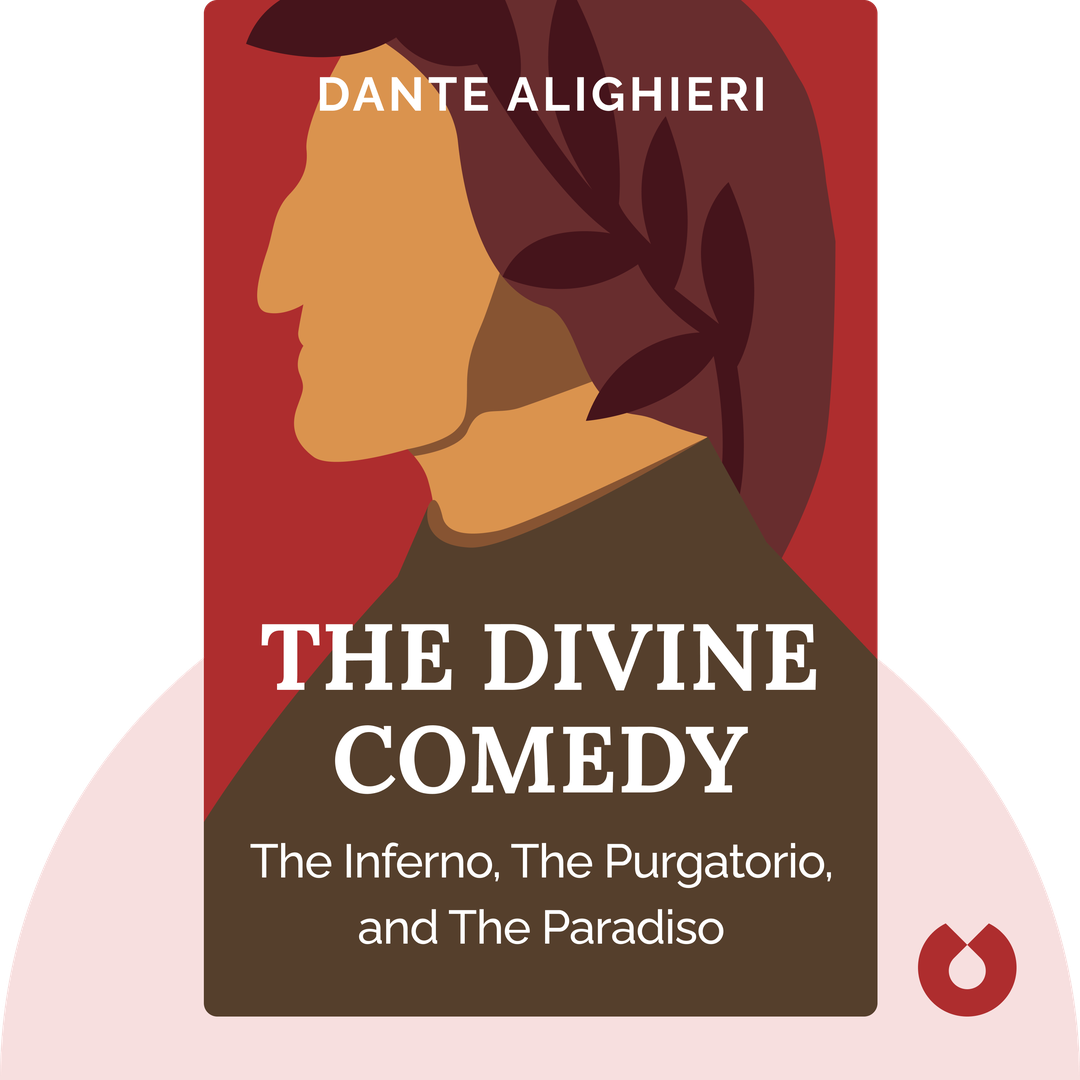
If You're Curious About These Questions...
You should listen to this audiobook
- Why is the icy ninth circle of Hell, reserved for traitors, considered a more severe punishment than the fiery pits reserved for the violent?
- How does the concept of 'bliss' change as Dante ascends Mount Purgatory, and why does he learn that sharing it actually increases one's own happiness?
- When Dante reaches Heaven, he meets souls occupying the 'lowest' celestial spheres who have no desire to move higher; what does this reveal about the book's unique definition of spiritual fulfillment?
Listen to The Divine Comedy — Cinematic Audio Edition
Loading player...
Key Takeaways from The Divine Comedy
- Discover how Dante uses deeply layered allegories and precise numerology, like the nine-plus-one motif, to embed profound philosophical and religious secrets throughout the poem.
- Understand the necessary path to spiritual redemption by following Dante's transformative journey of recognizing sin in Hell, cleansing in Purgatory, and achieving grace in Heaven.
- Uncover the powerful metaphors of Dante's opening scene, where the dark forest symbolizes spiritual confusion and three beasts represent the fatal human flaws of lust, pride, and greed.
- Learn how Dante’s concept of divine justice operates through poetic punishments that perfectly correspond to the severity and nature of a person's earthly sins.
- Explore the intricate moral hierarchy of Hell, which illustrates that sins born of human weakness are punished far less severely than deliberate acts of fraud and treachery.
Learning Tools
Reinforce what you learned from The Divine Comedy
Mind Map
The Divine Comedy
Introduction & Structure+
Entering The Inferno+
Lower Inferno: Fire to Ice+
Ascending Mount Purgatory+
The Paradiso & Divine Harmony+
Quiz — Test Your Understanding
Question 1 of 10
What characterizes the ancient definition of a 'comedy' as applied to Dante's work?
Question 2 of 10
Why are virtuous ancient thinkers like Plato and Aristotle placed in Limbo, the first circle of Hell?
Question 3 of 10
According to the heretic Farinata, what unique condition affects the damned souls' perception of time?
Question 4 of 10
According to Virgil, why are sins like lust and gluttony punished less severely than acts of violence or fraud?
Question 5 of 10
What does the frozen landscape of the ninth circle of Hell symbolically represent?
Question 6 of 10
What does Dante learn about the power of prayer from the violently deceased souls in Purgatory?
Question 7 of 10
How does the progression of souls through Purgatory differ fundamentally from the descent through Hell?
Question 8 of 10
What insight does Virgil provide to Dante regarding the nature of 'bliss' in Heaven?
Question 9 of 10
Why is a soul in the lower spheres of Heaven content with her placement, despite not reaching a higher level?
Question 10 of 10
At the climax of Dante's journey, what do the three intertwined circles he witnesses symbolize?
The Divine Comedy — Full Chapter Overview
- 1Recommendation
- 2Entering the Inferno
- 3From fire into ice
- 4Climbing the Mountain of Purgatory
- 5Reaching the celestial summit
- 6The flawless harmony of Heaven
- 7Coming to the journey’s end
The Divine Comedy Summary & Overview
The Divine Comedy (c. 1321) is an epic narrative poem that stands as one of the most celebrated works in Western literature. It tells the tale of a man who is taken on a journey through hell, purgatory, and finally to heaven. In doing so, it shows the path of one man’s soul toward God and reveals a philosophy that continues to be relevant today.
Who Should Listen to The Divine Comedy?
- Fans of classic literature
- History and philosophy enthusiasts
- Anyone interested in theology, symbolism, and the afterlife
Books Similar to The Divine Comedy
Readers who enjoyed this also liked these titles.