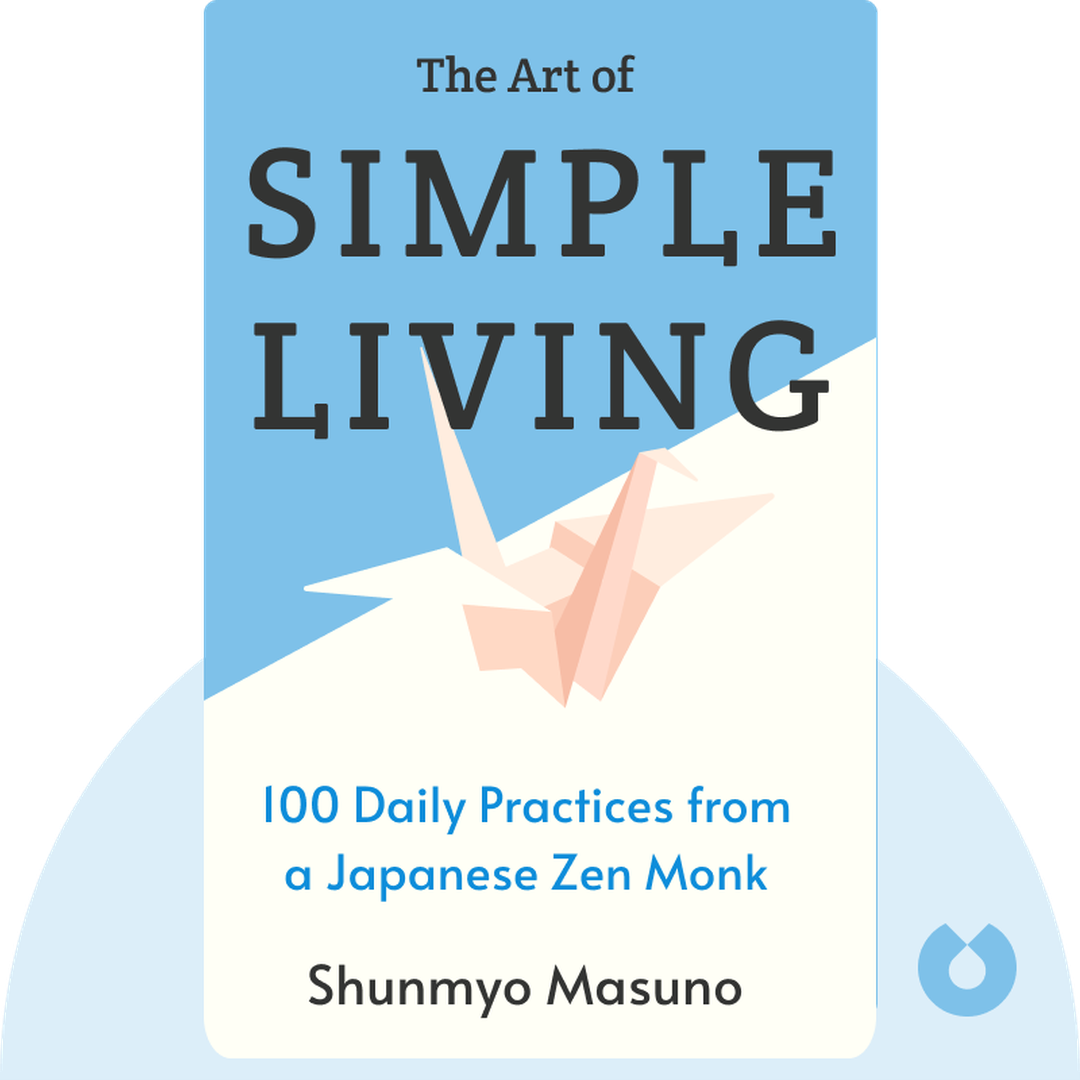
The Art of Simple Living
Start ListeningDownload Try free on iPhoneScan to start in 5 seconds
Categories:
If You're Curious About These Questions...
You should listen to this audiobook
- Did you know that the simple way you arrange your shoes at the door can actually quiet your mind and reduce daily stress?
- What if you could achieve a deep sense of inner peace just by making tiny, 15-minute adjustments to your morning routine?
- Have you ever wondered why Zen philosophy suggests that physical cleaning is one of the most powerful ways to heal your spirit?
Listen to The Art of Simple Living — Free Audiobook
Loading player...
Key Takeaways from The Art of Simple Living
- Learn how to improve strained relationships by focusing on others' positive qualities and treating every encounter as a precious, once-in-a-lifetime event.
- Discover the Buddhist practice of 'chisoku' to overcome greed by recognizing when you have enough, allowing you to find peace without sacrificing the things you truly value.
- Understand why simple physical changes, like eating less meat and wearing minimalist footwear, can invigorate your body and bring tranquility to your mind.
- Find out how putting intentional time and effort into everyday tasks, rather than rushing for convenience, can actually boost your overall energy and vitality.
- Master the art of starting your day right by implementing simple changes to your morning routine that will establish a lasting sense of calm and focus.
Learning Tools
Reinforce what you learned from The Art of Simple Living
Mind Map
The Art of Simple Living
Relationships & Attitudes+
Minimalism & Gratitude+
Vitality & Physical Habits+
Morning Rituals+
Art & Self-Discovery+
Nature & Renewal+
Time & Mortality+
Quiz — Test Your Understanding
Question 1 of 8
How does the author suggest we approach assessing other people's characters?
Question 2 of 8
According to the text, what is the key difference between living a frugal life and living a simple life?
Question 3 of 8
Why does the author recommend lingering over a task, such as making a cup of coffee from scratch, rather than taking the easiest route?
Question 4 of 8
What is the deeper meaning behind the Japanese character for the word 'busy'?
Question 5 of 8
Why do traditional Zen artists often use only a single pot of black ink instead of a full spectrum of colors?
Question 6 of 8
What important lesson does observing the constant flux of nature teach us about human behavior?
Question 7 of 8
What does the Buddhist concept of 'jomyo' teach us about our lives?
Question 8 of 8
What actionable advice does Zen Buddhism offer regarding eating meals?
The Art of Simple Living — Full Chapter Overview
- 1Recommendation
- 2Changing your own attitude is the key to getting along with others.
- 3Value what you already have.
- 4Altering how you eat, drink, and dress can truly give you more energy.
- 5Small tweaks to your morning routine add calm and focus to the rest of your day.
- 6Art and calligraphy can enrich your life in simple yet powerful ways.
- 7Bringing nature into your daily routine will bring you joy.
- 8Your time and opportunities are limited. Make the very most of them.
The Art of Simple Living Summary & Overview
The Art of Simple Living (2019) explores the little habits that will make a big difference in your daily life. It explains the teachings of Zen Buddhism and reveals how to put them into practice. Packed with useful tips, this is your how-to guide for a more tranquil life.
Who Should Listen to The Art of Simple Living?
- Anyone interested in Buddhist philosophy
- Minimalists looking for a new angle
- Self-help buffs seeking a fresh perspective
Books Similar to The Art of Simple Living
Readers who enjoyed this also liked these titles.