If You're Curious About These Questions...
You should listen to this audiobook
- Have you ever wondered why traditional approaches to work often leave people feeling drained, even when they’re hitting their targets?
- Did you know that research involving 48,000 people revealed six distinct archetypes that dictate how we find meaning and success in our careers?
- What if the secret to a high-performing team isn't more control, but understanding the unique motivational patterns that spark deep engagement in every employee?
Listen to The Archetype Effect — Free Audiobook
Loading player...
Key Takeaways from The Archetype Effect
- Discover why designing workplaces for the 'average worker' fails, just as designing cockpits for average pilots led to dangerous crashes in the 1950s.
- Understand the six flexible worker archetypes—Givers, Operators, Artisans, Explorers, Strivers, and Pioneers—to pinpoint exactly what drives you and your team.
- Learn how outdated management systems built for control and compliance are breaking under modern pressures that demand speed, flexibility, and trust.
- Find out why your motivational profile isn't fixed for life, and how recognizing these fluid shifts can help you adapt your career over time.
- Uncover the hidden biases in corporate systems that exclusively reward 'Strivers,' and discover how to design roles that energize every type of employee.
Learning Tools
Reinforce what you learned from The Archetype Effect
Mind Map
The Archetype Effect
The Flawed 'Average Worker' Model+
The Six Archetypes+
Rethinking Management+
Leadership and Stress+
Future of Job Design+
Quiz — Test Your Understanding
Question 1 of 6
According to the text, what was the primary flaw of Frederick Winslow Taylor's 'scientific management' approach when applied to modern work?
Question 2 of 6
Which workplace archetype is defined by a desire for consistency, clear expectations, and a preference for separating work from personal identity?
Question 3 of 6
How does the book describe the nature of the six motivational archetypes?
Question 4 of 6
Many traditional workplaces unknowingly build their hiring, evaluation, and promotion systems around which dominant archetype?
Question 5 of 6
How do 'Pioneers' and 'Explorers' typically experience workplace stress compared to other archetypes?
Question 6 of 6
What is one key recommendation the book makes for redesigning HR systems and career pathways?
The Archetype Effect — Full Chapter Overview
- 1Recommendation
- 2Designed for control, cracking under pressure
- 3Six archetypes that dismantle the myth of the average worker today
- 4Quit managing workers as if they’re all identical
- 5Leaders bring their unique wiring, fuel, and stress
- 6Quit designing roles for the average worker
The Archetype Effect Summary & Overview
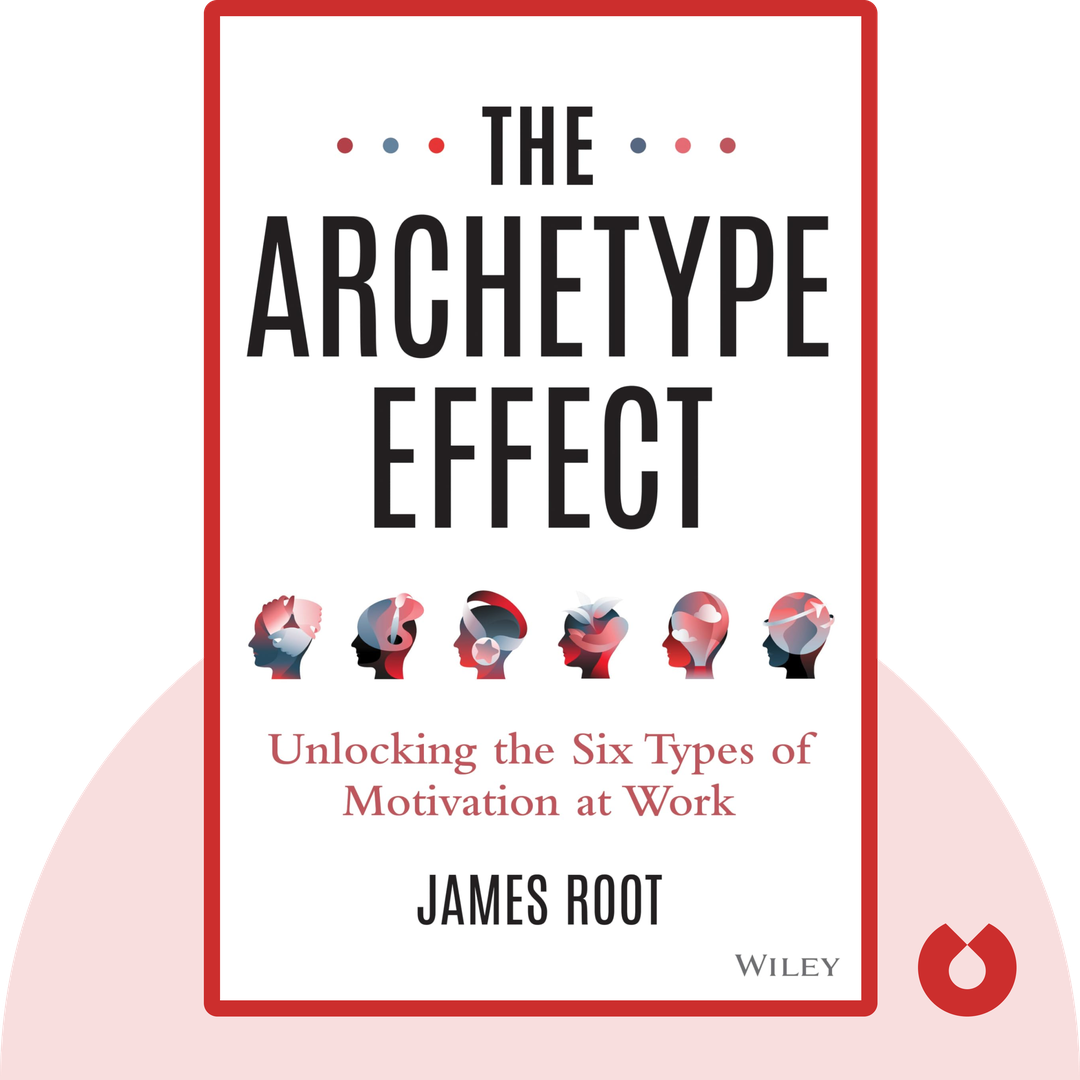
The Archetype Effect (2025) reveals why traditional approaches to work – designed for predictability and control – no longer fit today’s workforce. Drawing on research with over 48,000 people across 19 countries, it introduces six archetypes that capture the wide range of motivations people bring to their jobs. It shows how these patterns shape everything from performance and stress to leadership styles, and how redesigning work around what energizes people can unlock deeper engagement, better teamwork, and more meaningful careers.
Who Should Listen to The Archetype Effect?
- People leaders trying to unlock team potential
- HR and talent professionals redesigning work systems
- Workers and coaches exploring motivation and career fit
Books Similar to The Archetype Effect
Readers who enjoyed this also liked these titles.