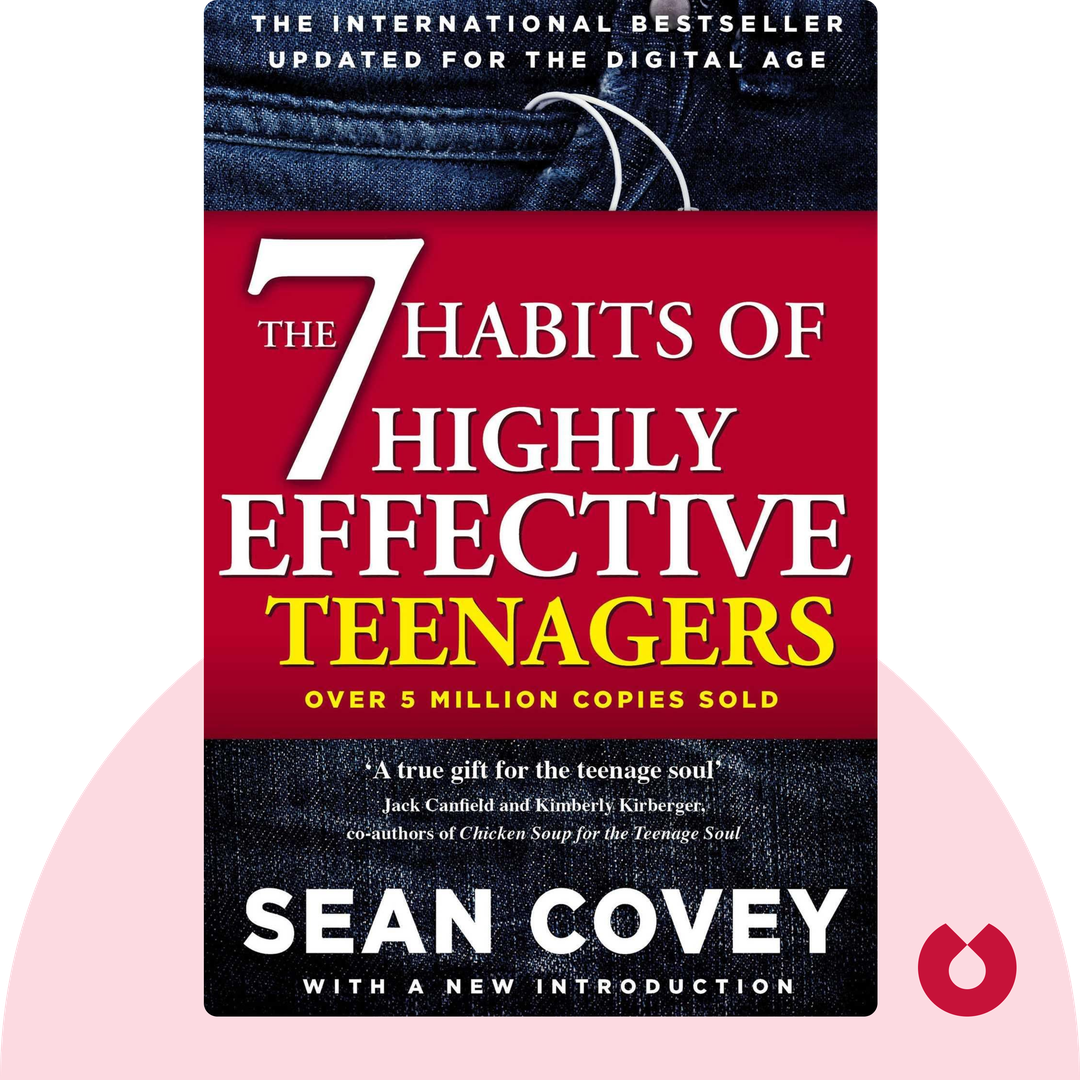
The 7 Habits Of Highly Effective Teens
Start ListeningDownload Try free on iPhoneScan to start in 5 seconds
Categories:
If You're Curious About These Questions...
You should listen to this audiobook
- Did you know that there’s a simple mindset shift that can help teens stop feeling like victims of circumstance and start taking full control of their future?
- What if you could master the one communication secret that builds instant trust and helps teens navigate even the most difficult peer pressures?
- What’s the secret to helping teens prioritize what truly matters most, even when they’re overwhelmed by the constant distractions of the digital age?
Listen to The 7 Habits Of Highly Effective Teens — Cinematic Audio Edition
Loading player...
Key Takeaways from The 7 Habits Of Highly Effective Teens
- Learn how to take control of your life by choosing proactive responses to life's curveballs rather than playing the victim.
- Discover the power of creating a personal mission statement to guide your difficult daily choices and align them with your core values.
- Master effective time management through weekly and daily planning to free up brain space and effortlessly adapt to unforeseen circumstances.
- Understand why you must intentionally step out of your comfort zone and face your fears to truly grow and accomplish your goals.
- Find out how adopting a 'Win-Win' mindset can help you overcome jealousy and rebuild damaged relationships through simple acts of cooperation.
Learning Tools
Reinforce what you learned from The 7 Habits Of Highly Effective Teens
Mind Map
The 7 Habits Of Highly Effective Teens
Core Philosophy+
Habit 1: Be Proactive+
Habit 2: Begin With the End in Mind+
Habit 3: Put First Things First+
Habit 4: Think Win-Win+
Habit 5: Seek First to Understand+
Habit 6: Synergize+
Habit 7: Sharpen the Saw+
Quiz — Test Your Understanding
Question 1 of 8
What is the fundamental difference between a reactive person and a proactive person according to the text?
Question 2 of 8
Why does the author recommend creating a personal mission statement in Habit Two?
Question 3 of 8
Habit Three, 'Put first things first,' involves managing time through daily and weekly planning. What is the second crucial component of this habit?
Question 4 of 8
In the basketball story about Claire and Diana, what key lesson illustrates the 'Think Win-Win' habit?
Question 5 of 8
According to the text, what is the deepest human desire that you can fulfill for someone else by being a good listener?
Question 6 of 8
What does it mean to 'practice being a mirror' during a conversation?
Question 7 of 8
When practicing Synergy (Habit Six) during a conflict, such as a teenager refusing to go on a family vacation, what is the recommended first step?
Question 8 of 8
Which of the following correctly matches one of the four dimensions of life with its suggested maintenance activity in 'Sharpen the saw'?
The 7 Habits Of Highly Effective Teens — Full Chapter Overview
- 1Recommendation
- 2Habit One: Be Proactive and Own Your Responses to the World Around You
- 3Habit Two: Begin with the End in Mind and Envision Your Life as a Whole
- 4Habit Three: Put First Things First and Use Your Time Wisely
- 5Habit Four: Think Win-Win
- 6Habit Five: Seek First to Understand, Then to Be Understood
- 7Habit Six: Synergize
- 8Habit Seven: Sharpen the Saw and Make Time to Care for Yourself
The 7 Habits Of Highly Effective Teens Summary & Overview
The 7 Habits of Highly Effective Teens (2011) invites teenagers to begin taking charge of their lives by teaching them seven habits that help them thrive and will set them up for a successful future.
Who Should Listen to The 7 Habits Of Highly Effective Teens?
- Parents and guardians of teens
- Teachers and other role models
- Leadership coaches
Books Similar to The 7 Habits Of Highly Effective Teens
Readers who enjoyed this also liked these titles.