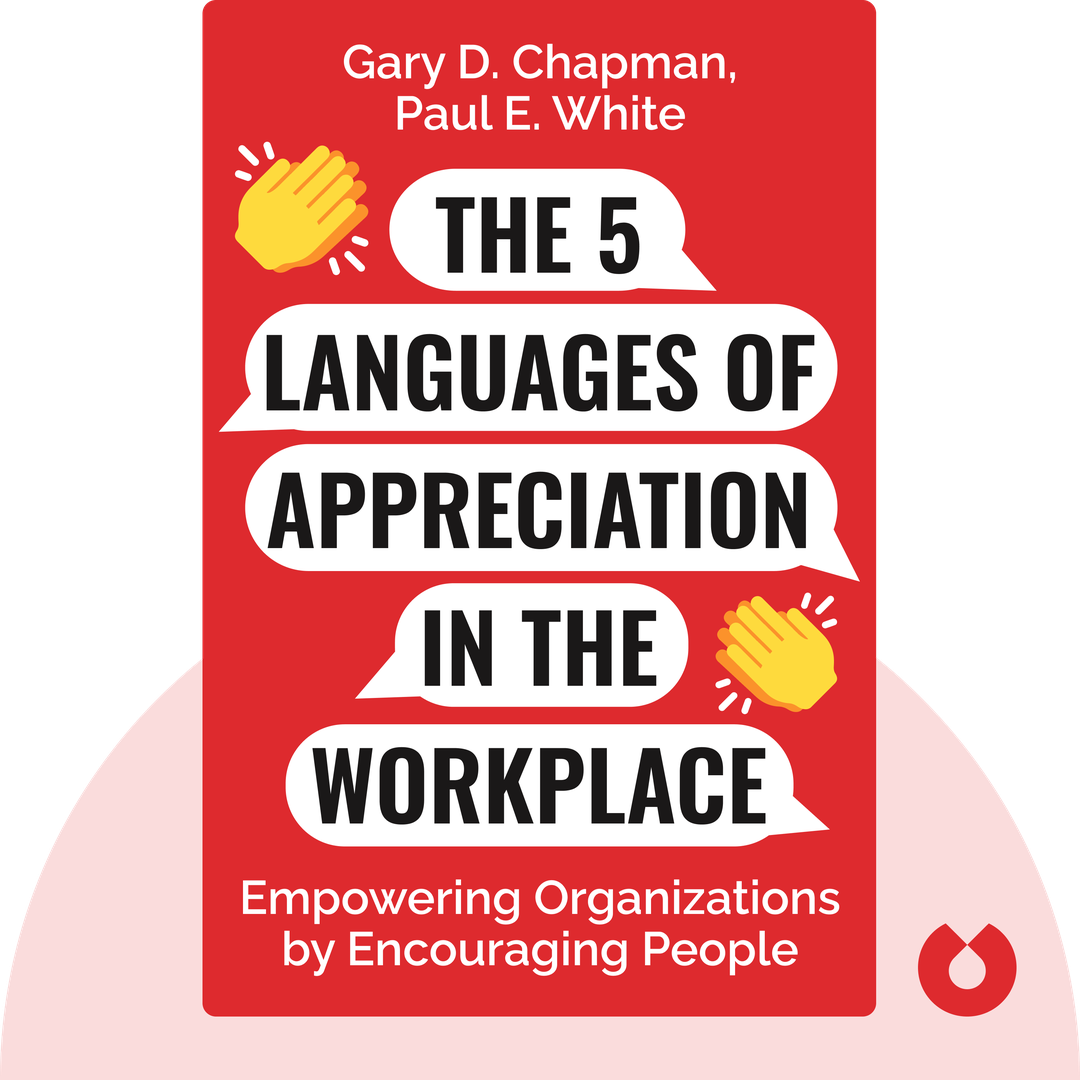
The 5 Languages of Appreciation in the Workplace
Start ListeningDownload Try free on iPhoneScan to start in 5 seconds
Categories:
If You're Curious About These Questions...
You should listen to this audiobook
- Have you ever wondered why standard recognition programs often leave employees feeling more cynical than appreciated?
- What if you could discover the specific 'language' of appreciation that motivates each person on your team to perform at their peak?
- What’s the secret to transforming a toxic corporate culture into an environment of genuine ownership and mutual respect?
Listen to The 5 Languages of Appreciation in the Workplace — Cinematic Audio Edition
Loading player...
Key Takeaways from The 5 Languages of Appreciation in the Workplace
- Discover why a staggering 64% of employees leave their jobs and learn how genuine appreciation acts as a crucial tool for retaining talent and driving growth.
- Understand the vital difference between performance-based recognition and holistic appreciation that values a coworker's intrinsic worth as a human being.
- Master the concept of appreciation languages to tailor your gratitude to individual preferences, ensuring your gestures are never misinterpreted or perceived as insincere.
- Learn how to effectively use words of affirmation by celebrating not just completed tasks, but the underlying character traits that fortify your organization's foundation.
- Find out how to fulfill a colleague's need for quality time through focused attention and shared experiences, proving that true connection requires more than mere physical presence.
Learning Tools
Reinforce what you learned from The 5 Languages of Appreciation in the Workplace
Mind Map
The 5 Languages of Appreciation in the Workplace
The Core Concept+
1. Words of Affirmation+
2. Quality Time+
3. Acts of Service+
4. Tangible Gifts+
5. Physical Touch+
Quiz — Test Your Understanding
Question 1 of 7
According to the text, what is the primary reason unhappy employees cite for wanting to leave their current jobs?
Question 2 of 7
What analogy does the book use to describe colleagues expressing appreciation in mismatched ways?
Question 3 of 7
How should 'Words of Affirmation' be delivered to be most effective, according to the text?
Question 4 of 7
For employees who value 'Quality Time,' what does a manager's undivided attention primarily communicate?
Question 5 of 7
When an employee struggling with a tight deadline speaks the 'Acts of Service' language, what is the best approach for a manager?
Question 6 of 7
What type of 'Tangible Gifts' make the most significant impact on employee morale?
Question 7 of 7
How can the language of 'Physical Touch' be safely and effectively expressed for employees who might be averse to actual physical contact?
The 5 Languages of Appreciation in the Workplace — Full Chapter Overview
- 1Recommendation
- 2What is a language for appreciation?
- 3Language one: Words that affirm
- 4Language two: Quality-focused time
- 5Language three: Acts that serve
- 6Language four: Concrete gifts
- 7Language five: Physical contact
The 5 Languages of Appreciation in the Workplace Summary & Overview
The 5 Languages of Appreciation in the Workplace (2007) outlines the keys to cultivating value, recognition, and appreciation at work, by tapping into the deeply personal ways workers wish to be recognized at their best.
Who Should Listen to The 5 Languages of Appreciation in the Workplace?
- Employees who feel undervalued and dispirited at work
- Managers who want to tailor their approach to get the best out of all their employees
- CEOs and founders keen to create an atmosphere of ownership and appreciation
Books Similar to The 5 Languages of Appreciation in the Workplace
Readers who enjoyed this also liked these titles.