If You're Curious About These Questions...
You should listen to this audiobook
- Have you ever wondered why some conversations leave you feeling perfectly understood, while others feel like you’re speaking a completely different language?
- What if you could master the three hidden types of conversations that dictate every interaction you have, from the boardroom to the dinner table?
- Did you know that the most effective communicators aren’t just good at talking, but possess a secret skill for aligning their mindset with yours?
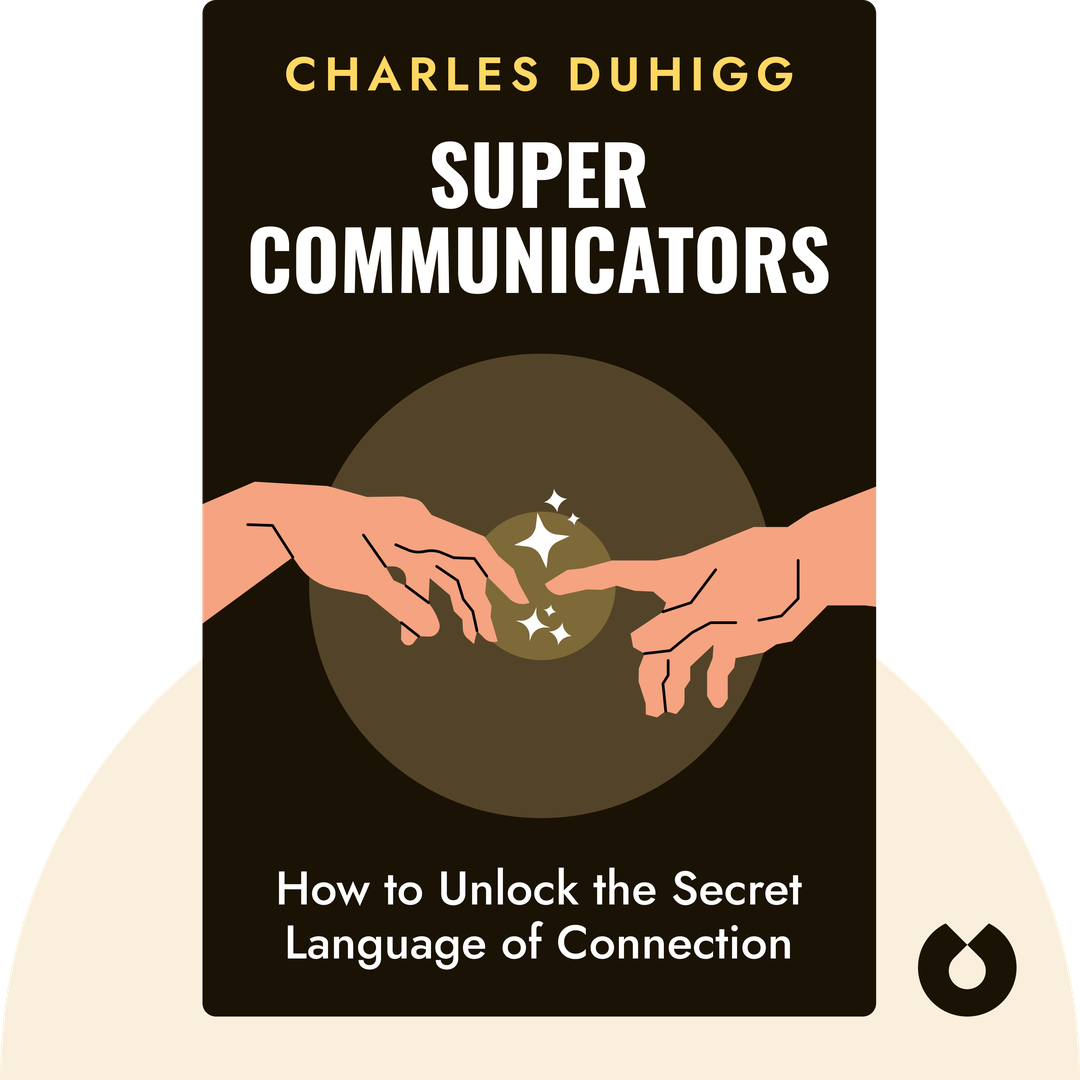
Listen to Supercommunicators — Cinematic Audio Edition
Loading player...
Key Takeaways from Supercommunicators
- Discover how to treat every conversation as a multi-layered negotiation by identifying whether the other person wants to be helped, hugged, or heard.
- Learn how exposing your own vulnerability and sharing personal anecdotes can instantly build trust and encourage others to communicate openly.
- Master the art of asking deep, open-ended questions that explore a person's values and ideals rather than settling for simple factual answers.
- Understand why appealing to someone's primary social identity in the moment is crucial for tailoring your arguments and finding genuine common ground.
- Find out how to synchronize your conversations by politely rephrasing statements to acknowledge feelings, show empathy, and uncover hidden emotional significance.
Learning Tools
Reinforce what you learned from Supercommunicators
Mind Map
Supercommunicators
Core Concepts+
Universal Techniques+
The 3 Conversation Types+
Quiz — Test Your Understanding
Question 1 of 7
What are the three core types of conversations that serve as the building blocks for meaningful connections?
Question 2 of 7
According to the text, what physical phenomenon can occur between people during meaningful conversations?
Question 3 of 7
What is Charles Duhigg’s second rule for learning conversations, which is particularly useful for steering practical conversations?
Question 4 of 7
How did the surgeon at Memorial Sloan Kettering Cancer Center improve his communication with prostate cancer patients?
Question 5 of 7
In the context of emotional conversations, what does the text suggest is the most effective approach to conflict resolution?
Question 6 of 7
Why does NASA prioritize emotional intelligence during its astronaut selection process?
Question 7 of 7
What is the primary focus of a 'social conversation' (or a 'Who are we?' conversation)?
Supercommunicators — Full Chapter Overview
- 1Recommendation
- 2Identifying and matching the conversation type is an essential skill
- 3Practical dialogues
- 4Emotional dialogues
- 5Social dialogues
Supercommunicators Summary & Overview
Supercommunicators (2024) explores the art of effective communication, focusing on the three types of conversations: practical, emotional, and social. It teaches that understanding and aligning with these conversation types is key to connecting with others. By practicing these techniques, you can make your engagement in discussions more meaningful and empathetic.
Who Should Listen to Supercommunicators?
- Professionals seeking better communication skills
- Individuals navigating complex relationship dynamics
- Anyone striving for more meaningful conversations
Books Similar to Supercommunicators
Readers who enjoyed this also liked these titles.