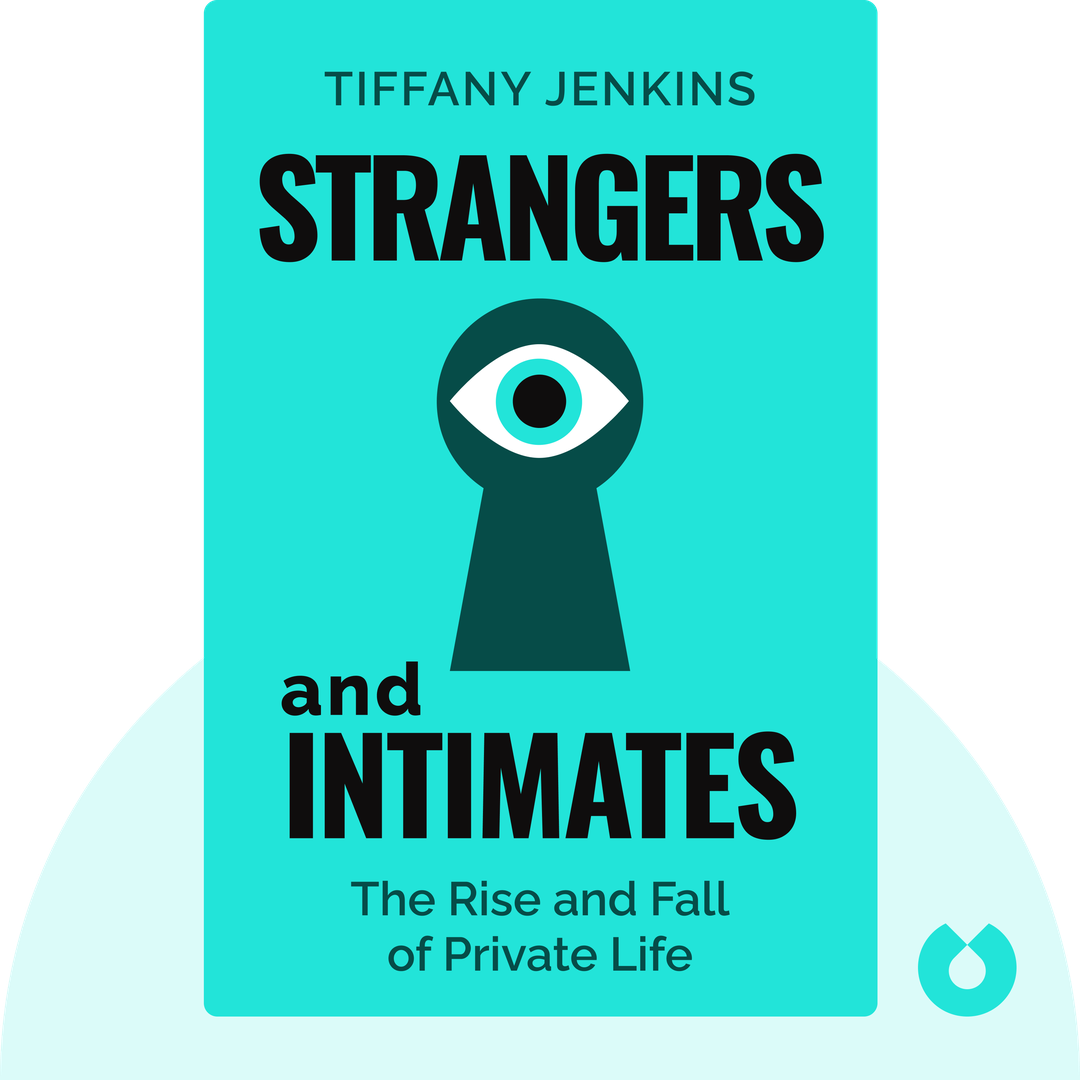
Strangers and Intimates
Start ListeningDownload Try free on iPhoneScan to start in 5 seconds
Categories:
If You're Curious About These Questions...
You should listen to this audiobook
- Did you know that the concept of a "private life" isn't a natural human right, but a historical invention that began in a very unexpected place?
- Have you ever wondered why we view our homes as sacred, private sanctuaries—and which era in history actually created this obsession?
- Are you curious about how the 1970s feminist movement and the rise of digital surveillance transformed our most intimate experiences into political battlegrounds?
Listen to Strangers and Intimates — Free Audiobook
Loading player...
Key Takeaways from Strangers and Intimates
- Discover why the concept of a 'private life' isn't a natural human universal, but rather a historical invention that evolved from ancient divisions of households and politics.
- Learn how Martin Luther’s 1521 rebellion against the Catholic Church birthed 'modern interiority' by establishing a sanctuary for individual conscience and personal faith.
- Understand how the vibrant, cosmopolitan public life of 18th-century London inadvertently helped define and protect the modern private household.
- Find out how the 1840s 'Mazzini Affair' involving government mail surveillance shifted the public perception of privacy from a dangerous form of secrecy to a cherished personal right.
- Explore the modern paradox of privacy to grasp why we fiercely protect our personal boundaries from digital surveillance while simultaneously performing for audiences on social media.
Learning Tools
Reinforce what you learned from Strangers and Intimates
Mind Map
Strangers and Intimates
Origins of Privacy+
The Birth of Inner Privacy+
Separation of Spheres+
The Right to Privacy+
Home and Hearth+
The Personal Meets the Political+
The End of Privacy+
Quiz — Test Your Understanding
Question 1 of 7
What is the central thesis about privacy presented in the book?
Question 2 of 7
How did Martin Luther's actions at the Diet of Worms contribute to the modern concept of privacy?
Question 3 of 7
During the eighteenth century, how did the physical and social boundaries of the private sphere change?
Question 4 of 7
What did the public reaction to the 1840s "Mazzini Affair" reveal about changing attitudes toward privacy?
Question 5 of 7
How did Virginia Woolf's conception of privacy in 'A Room of One's Own' differ from the Victorian "cult of domesticity"?
Question 6 of 7
What was a primary impact of the 1960s and 7s movement that declared "the personal is political"?
Question 7 of 7
According to the text, what is the "strange paradox" of privacy in the modern digital age?
Strangers and Intimates — Full Chapter Overview
- 1Recommendation
- 2The origins of privacy
- 3Private and public spheres
- 4Is privacy a right?
- 5Home and family life
- 6When the personal becomes political
- 7Is this the end of privacy?
- 8Final summary
Strangers and Intimates Summary & Overview
Strangers and Intimates (2025) traces the evolution of private life from ancient Athens through the Victorian era to our digital present, arguing that privacy is a historical construct rather than a natural right. It examines key transformations including Luther’s development of individual conscience, the Victorian cult of domesticity, and the 1970s feminist movement’s politicization of personal experience.
Who Should Listen to Strangers and Intimates?
- History buffs seeking a fresh perspective on how privacy has shaped Western culture
- Activists who want a historical primer on the “right” to privacy
- Anyone concerned about the rise of surveillance in contemporary life
Books Similar to Strangers and Intimates
Readers who enjoyed this also liked these titles.