If You're Curious About These Questions...
You should listen to this audiobook
- Did you know that there are three distinct "networking signatures"—and that identifying yours is the key to unlocking your true professional potential?
- Have you ever wondered why some people can turn a single introduction into a massive opportunity while others are left with nothing but a stack of unused business cards?
- What if you could build a powerful, high-impact network without ever having to step foot in another awkward traditional networking event again?
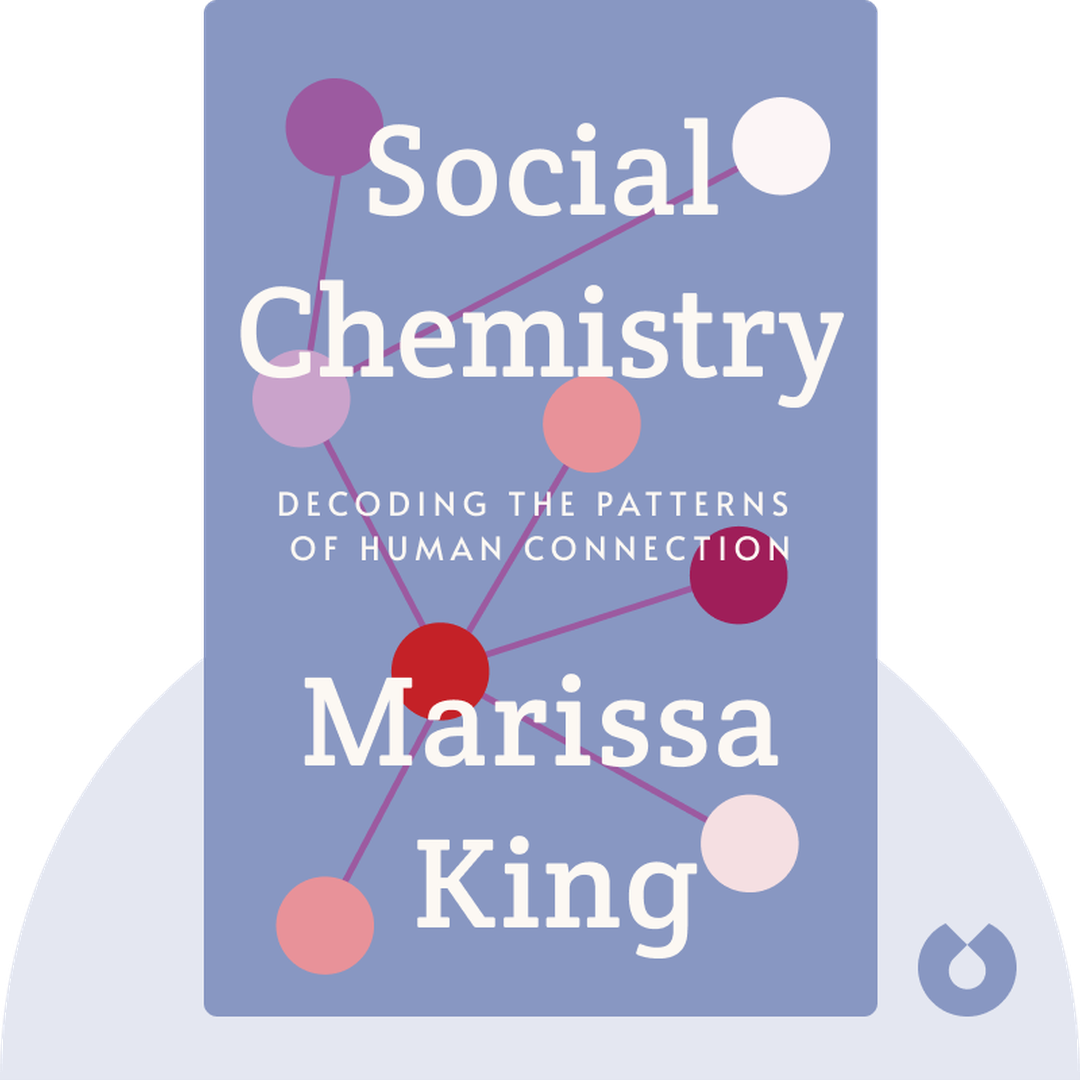
Listen to Social Chemistry — Free Audiobook
Loading player...
Key Takeaways from Social Chemistry
- Discover the three primary networking styles—expansionist, broker, and convenor—and identify your own to build better, more authentic connections.
- Understand the critical difference between strong and weak ties to strategically balance reliable support networks with unpredictable, high-reward opportunities.
- Learn how to transform networking from an awkward corporate chore into a highly rewarding practice by focusing on mutual value and common ground.
- Master the balance of quality and quantity in your social circle by leveraging your cognitive capacity for 150 stable relationships alongside diverse, weaker ties.
- Find out how to cultivate an exclusive, 'convenor-style' network favored by highly successful people, built on deep trust, interconnected ties, and authentic vulnerability.
Learning Tools
Reinforce what you learned from Social Chemistry
Mind Map
Social Chemistry
Core Principles+
The Three Networking Styles+
Strategic Adaptation+
Interpersonal Tactics+
Global Network Topology+
Quiz — Test Your Understanding
Question 1 of 10
What are the three main networking styles identified in the book?
Question 2 of 10
According to network researchers, what is a primary characteristic of 'weak ties'?
Question 3 of 10
Which of the following is a key advantage of having a 'Convenor' networking style?
Question 4 of 10
Why might 'Brokers' sometimes be perceived negatively by others?
Question 5 of 10
What concept explains why 'Expansionists' continue to easily attract new connections as their network grows?
Question 6 of 10
According to the book, which networking style is generally best suited for a mid-career professional?
Question 7 of 10
What does research suggest is a highly effective way to spark a connection during an initial conversation?
Question 8 of 10
Why does the author recommend rekindling 'dormant ties' (people you have lost touch with)?
Question 9 of 10
How do human networks efficiently bridge billions of people across the globe, according to Watts and Strogatz's 'small world network' theory?
Question 10 of 10
What did a Yale study reveal about our perceptions of first impressions after meeting a stranger?
Social Chemistry — Full Chapter Overview
- 1Recommendation
- 2Networking doesn’t feel like a chore when you know how to do it well.
- 3The best network combines quality with quantity.
- 4Convenors build networks rooted in trust, intimacy, and exclusivity.
- 5Brokers connect diverse people and groups.
- 6Expansionists have remarkably broad networks.
- 7Borrow from other networking styles to network more effectively.
- 8Building connections is a skill you can learn.
- 9Your network links you across the globe.
- 10Final summary
Social Chemistry Summary & Overview
Social Chemistry (2020) is a fresh research-based approach to something that many professionals regard as a necessary evil: networking. The author demystifies how we network and explains the different networking modes available to us. The result is a convincing argument for the transformative power of good networking.
Who Should Listen to Social Chemistry?
- Anyone who hates the idea of traditional networking events
- Professionals who are inundated with business cards but can’t leverage their networks
- Everyone who’s wanted to connect with a stranger but wasn’t quite sure how to do it
Books Similar to Social Chemistry
Readers who enjoyed this also liked these titles.