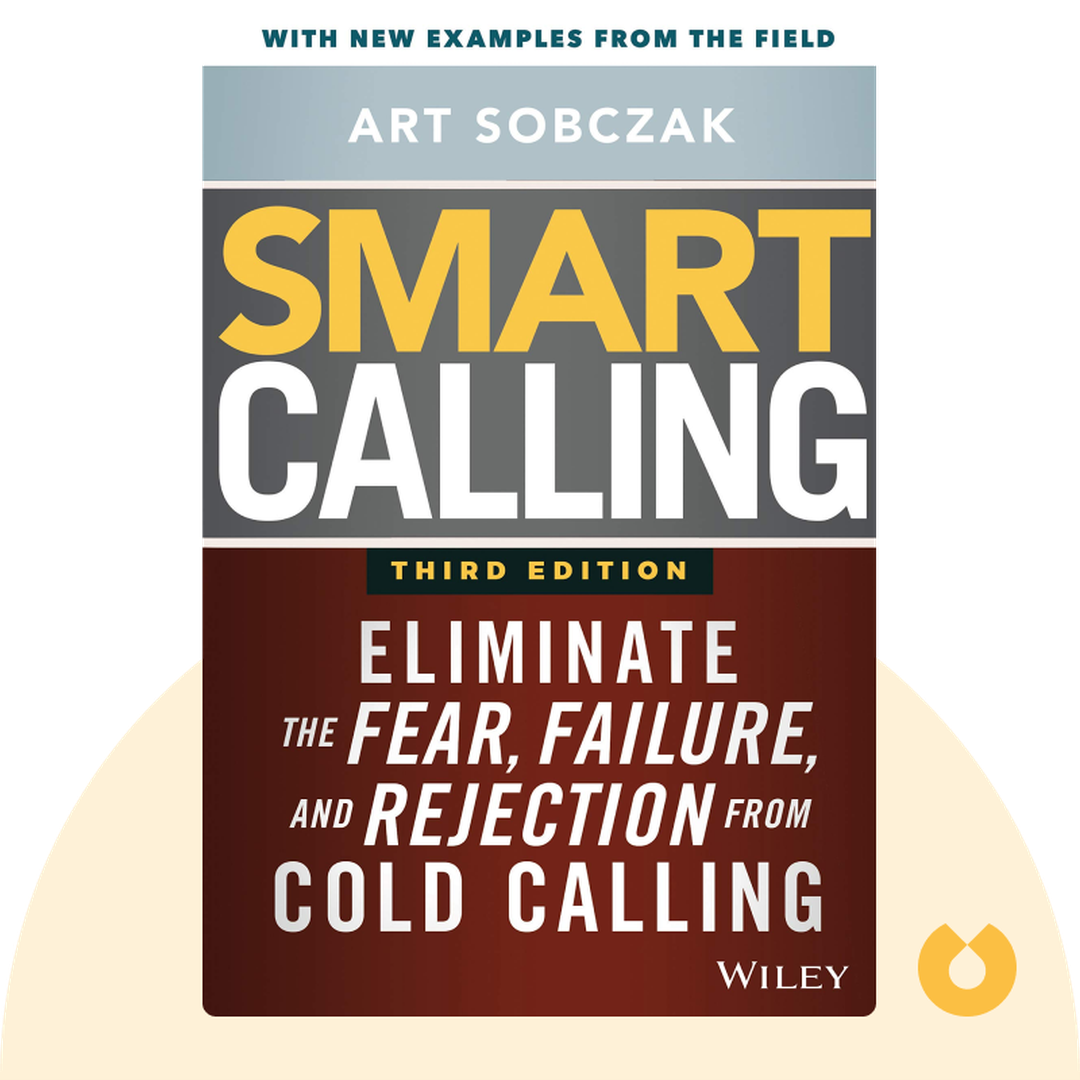
If You're Curious About These Questions...
You should listen to this audiobook
- What if you could transform the most dreaded part of your workday into a rewarding experience that prospects actually enjoy?
- What’s the secret to eliminating the "cold" from cold calling and ensuring your very first contact feels like a warm, professional conversation?
- Have you ever wondered why some people consistently land big deals over the phone while others get hung up on—and how you can join the elite group?
Listen to Smart Calling — Free Audiobook
Loading player...
Key Takeaways from Smart Calling
- Learn how to avoid common cold calling mistakes like relying on clichés, using weak language, and focusing on yourself instead of offering specific value to the prospect.
- Discover why you must tailor your pitch to your listener's role, offering practical product details to everyday customers while focusing on long-term benefits and reliability for top executives.
- Understand the importance of assessing a prospect's socio-cultural context and current industry news so you can adapt your offer to their immediate, real-world challenges.
- Find out how unconventional research methods, such as using Google Street View to observe a company's office building, can help you choose the right conversational tone for your call.
- Master the use of digital aggregation tools like InsideView and informal social platforms to uncover personal details that turn cold interactions into warm, relatable conversations.
Learning Tools
Reinforce what you learned from Smart Calling
Mind Map
Smart Calling
Mindset & Planning+
Research & Context+
Call Execution+
Unconventional Tactics+
Handling Gatekeepers+
Actionable Training+
Quiz — Test Your Understanding
Question 1 of 8
What is a common mistake cold callers make at the beginning of a conversation?
Question 2 of 8
How should a caller adjust their pitch when speaking to a top-level executive compared to a standard customer?
Question 3 of 8
Why does the author suggest using Google Street View before making a cold call?
Question 4 of 8
According to the book, what is a primary benefit of using digital research tools like InsideView?
Question 5 of 8
What should a smart caller do if their primary goal for a call fails?
Question 6 of 8
What unconventional tactic does the author recommend for getting a prospect's attention?
Question 7 of 8
How does the author suggest salespeople view assistants and gatekeepers?
Question 8 of 8
What actionable advice does the author give for training yourself in smart calling?
Smart Calling — Full Chapter Overview
- 1Recommendation
- 2Master cold calls and make them smarter through solid planning and by avoiding common mistakes.
- 3Plan your calls ahead, practice empathy, and aim to help each prospect truly satisfy a specific need today.
- 4Research your contact before speaking with them, and stay sensitive to their unique needs and current situation.
- 5Leverage social media and digital research tools to learn about your prospects.
- 6Smart calling means targeting clear goals — yet keep a backup plan ready if those goals don’t work out.
- 7Grab your prospect’s attention by surprising them with unconventional tactics.
- 8Treat assistants with respect — they might be more than mere gatekeepers.
Smart Calling Summary & Overview
Smart Calling (2010) is all about the art of cold calling, an important business practice that even seasoned salespeople dread. Many of us tend to associate cold calling with call center cubicles, boredom or manipulative strategies – but it doesn’t have to be this way. These blinks explain how you can overcome the challenges of cold calling to create a more pleasant and fulfilling experience for both you and your prospective customer, funder or employer.
Who Should Listen to Smart Calling?
- Sales representatives
- Anyone who works in fundraising
Books Similar to Smart Calling
Readers who enjoyed this also liked these titles.