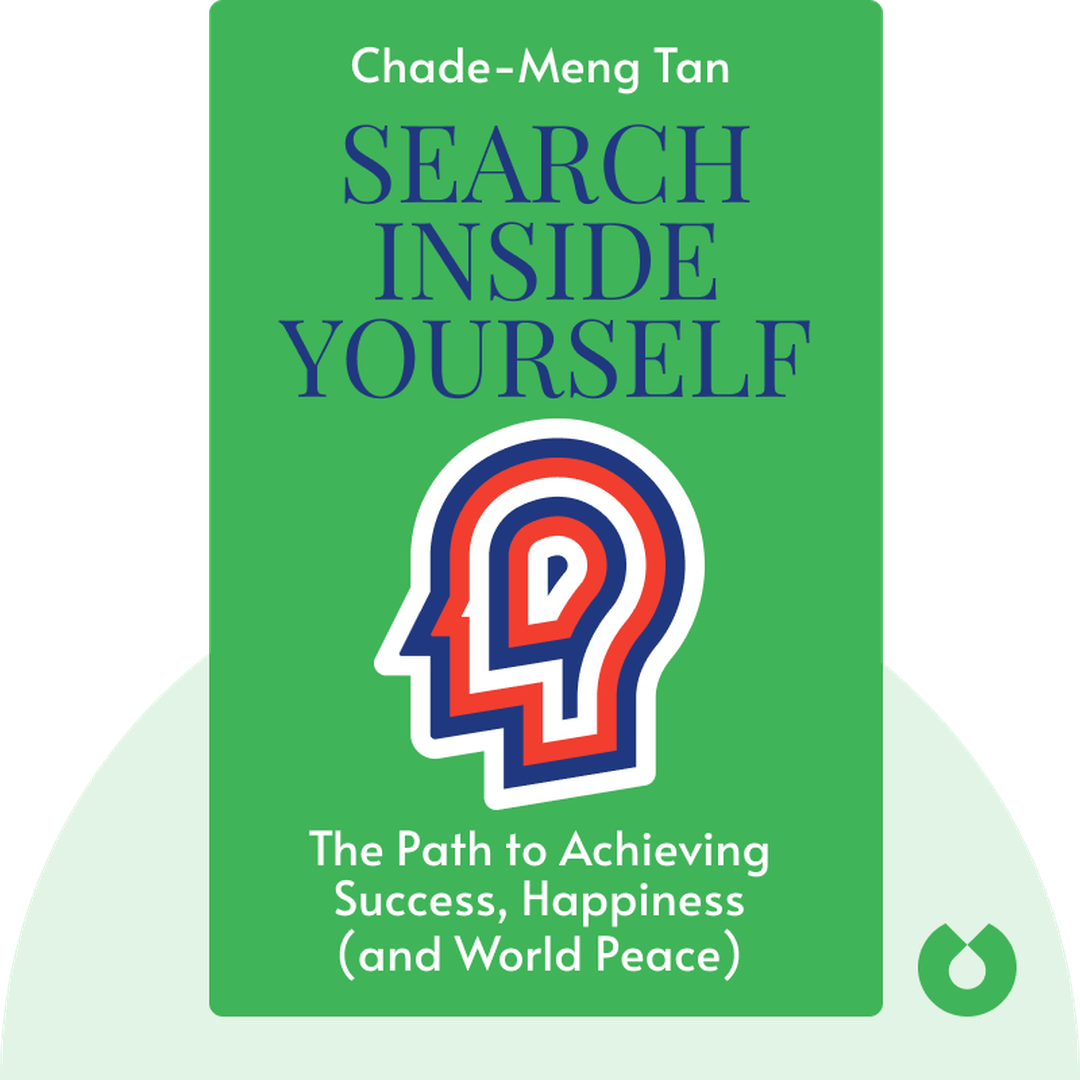
Search Inside Yourself
Start ListeningDownload Try free on iPhoneScan to start in 5 seconds
Categories:
If You're Curious About These Questions...
You should listen to this audiobook
- What if you could master the same mindfulness techniques that Google’s top performers use to boost their productivity and leadership skills?
- Have you ever wondered why some people remain effortlessly calm under intense pressure while others struggle to manage their emotions?
- Did you know that happiness and emotional intelligence are actually skills that can be trained, much like a physical muscle, through simple daily habits?
Listen to Search Inside Yourself — Free Audiobook
Loading player...
Key Takeaways from Search Inside Yourself
- Master a three-step mindfulness approach to better direct your attention, increase your self-knowledge, and build mental habits that boost your happiness and effectiveness.
- Understand the five core categories of emotional intelligence—self-awareness, self-regulation, motivation, empathy, and social skills—and how they combine to drive personal growth.
- Discover why emotional competencies like optimism and interpersonal skills are crucial for career success and effective leadership, often outweighing traditional education or a high IQ.
- Learn how emotional intelligence can be actively trained and improved over time to drastically elevate your work performance, even if it does not come naturally to you.
- Harness the power of 'meta attention' through mindfulness meditation to perform mental micro-recoveries, maintain deep concentration, and clear your mind's anxieties.
Learning Tools
Reinforce what you learned from Search Inside Yourself
Mind Map
Search Inside Yourself
Core Methodology+
Emotional Intelligence (EQ)+
Mindfulness Meditation+
Self-Awareness & Emotion Mastery+
Sustainable Motivation+
Empathy & Relationships+
Compassionate Leadership+
Actionable Exercises+
Quiz — Test Your Understanding
Question 1 of 8
What is the fundamental three-step methodology for developing emotional intelligence outlined in the book?
Question 2 of 8
According to Daniel Goleman, which of the following is NOT one of the five categories of emotional intelligence?
Question 3 of 8
How does emotional intelligence directly improve work performance, according to Martin Seligman's study of insurance agents?
Question 4 of 8
In the context of mindfulness meditation, what is 'meta-attention'?
Question 5 of 8
Why is self-awareness effective in helping individuals master their emotions during high-stress situations?
Question 6 of 8
According to Tony Hsieh of Zappos, what is the most sustainable source of happiness in the workplace?
Question 7 of 8
What is the primary goal of the 'Just Like Me' empathy exercise?
Question 8 of 8
Based on the research by Jim Kouzes and Barry Posner, what key trait distinguishes successful managers from lower-performing ones?
Search Inside Yourself — Full Chapter Overview
- 1Recommendation
- 2Emotional intelligence is among the many distinct forms of intelligence.
- 3With practice, emotional intelligence can dramatically boost your job performance.
- 4Meditation enhances concentration, relaxation, and alertness, and it makes us happier.
- 5Cultivating a deeper sense of self-awareness can help you master your emotions.
- 6Intangible motivators like a shared purpose sustain staff motivation better than external rewards.
- 7Empathy proves valuable in both personal and professional relationships.
- 8Receiving love from others can lead to our becoming better leaders.
Search Inside Yourself Summary & Overview
Search Inside Yourself (2012) teaches how the power of emotional intelligence and mindfulness can be harnessed to thrive both personally and professionally. Tan’s teachings are based on years of research and afford you the opportunity to improve your happiness, creativity and productivity.
Who Should Listen to Search Inside Yourself?
- Professionals who want to become better at their job
- Individuals who want to start a sustained mindfulness practice
- Those having trouble understanding their emotions
Books Similar to Search Inside Yourself
Readers who enjoyed this also liked these titles.