If You're Curious About These Questions...
You should listen to this audiobook
- What's the secret to identifying the 'perfect' problem that actually leads to a billion-dollar product?
- Have you ever wondered why most startups fail at finding product-market fit, and what the world’s most successful founders do differently during the 'hunt'?
- What if you could follow a proven blueprint to navigate the high-stakes journey from initial concept to securing venture capital and scaling a team?
Listen to Problem Hunting — Free Audiobook
Loading player...
Key Takeaways from Problem Hunting
- Discover how to achieve product-market fit by interviewing potential buyers about their biggest challenges and detailing your findings in a Problem Definition Document.
- Learn to identify pressing market problems using targeted surveys for consumers and tools like LinkedIn Sales Navigator to reach B2B decision-makers.
- Understand why building a strong startup culture goes beyond office perks and requires establishing focused core values that guide everyday behavior and autonomous decision-making.
- Master the art of maintaining team focus by having every employee update their top three priorities monthly and reinforcing alignment through structured weekly meetings.
- Find out how to recruit the right talent by targeting ambitious 'builders' who take ownership, and learn why setting a high standard for your first ten employees is crucial.
Learning Tools
Reinforce what you learned from Problem Hunting
Mind Map
Problem Hunting
Product-Market Fit+
Startup Culture+
Hiring & Team Building+
Marketing Strategy+
Sales & Customer Service+
Quiz — Test Your Understanding
Question 1 of 7
What is the primary purpose of a Problem Definition Document (PDD) in the early stages of a startup?
Question 2 of 7
According to the book, how should a startup approach its mission and vision?
Question 3 of 7
What does the author identify as a startup's greatest advantage when hiring against larger companies?
Question 4 of 7
How does the author suggest marketing teams should be compensated to ensure alignment with desired outcomes?
Question 5 of 7
When crafting marketing messaging, what approach does the author recommend?
Question 6 of 7
What is the recommended structure for delivering a successful sales pitch?
Question 7 of 7
How should startups handle their initial group of early customers?
Problem Hunting — Full Chapter Overview
- 1Recommendation
- 2The road to true product-market fit
- 3Creating a strong startup culture
- 4Choosing the right people to propel your startup forward
- 5Achieving marketing success by solving customer problems
- 6Mastering sales and customer support for startup success
Problem Hunting Summary & Overview
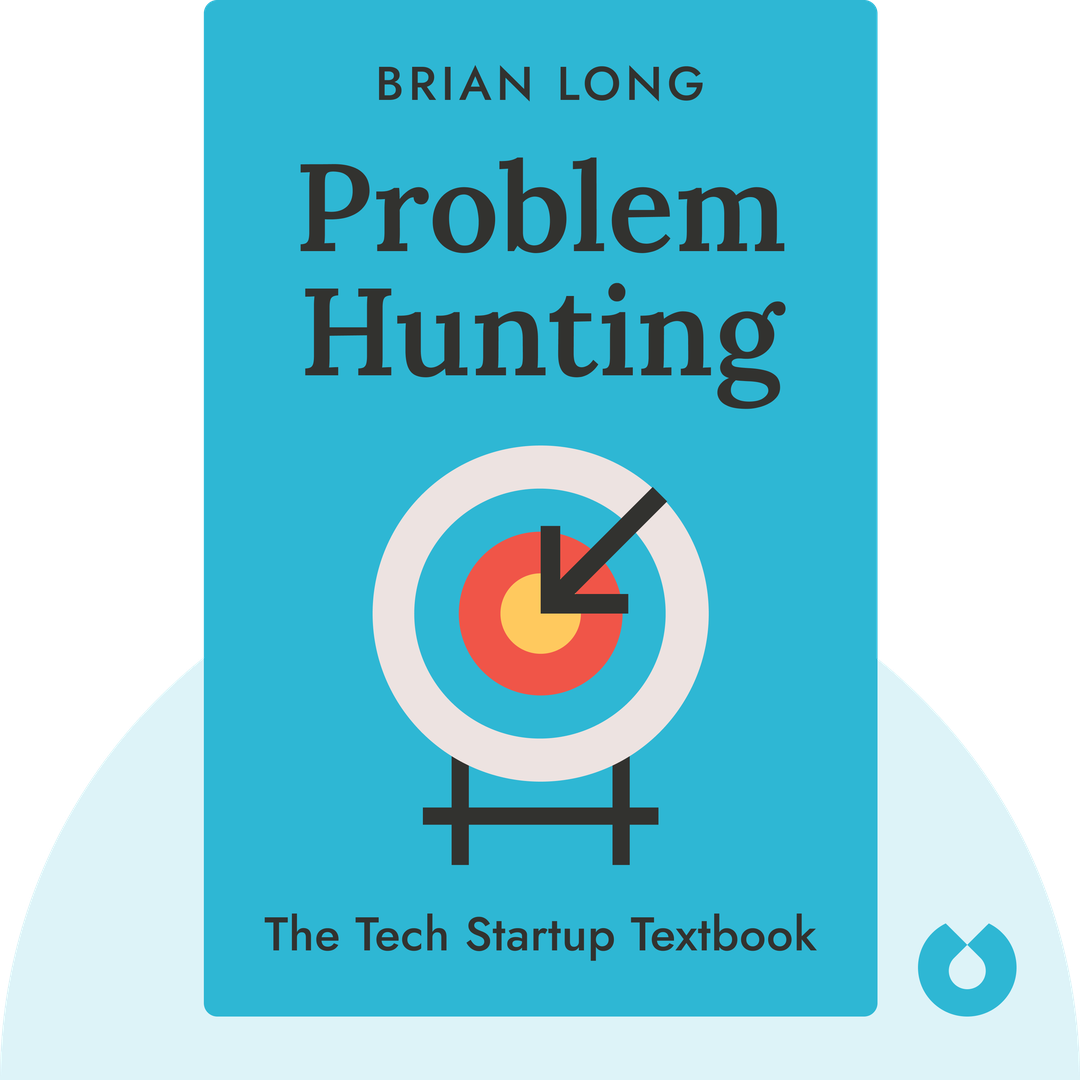
Problem Hunting (2023) is a comprehensive guide for aspiring tech entrepreneurs, offering practical advice on every aspect of building a startup. It provides step-by-step instructions for finding product-market fit, developing products, marketing, assembling a team, and securing funding. Drawing on the experiences of successful tech companies, it serves as a valuable reference for navigating the complexities of launching and scaling a business.
Who Should Listen to Problem Hunting?
- Aspiring tech entrepreneurs seeking practical startup advice
- Tech industry professionals interested in product development
- Investors and venture capitalists evaluating new startups
Books Similar to Problem Hunting
Readers who enjoyed this also liked these titles.