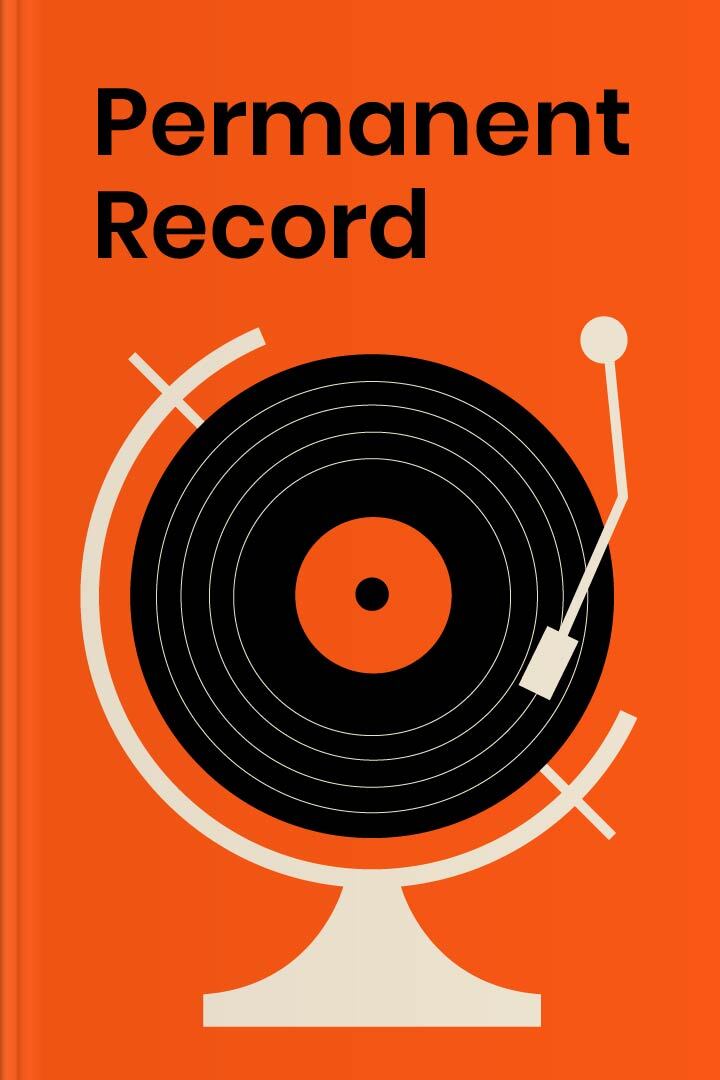
If You're Curious About These Questions...
You should listen to this audiobook
- Did you know that the very devices designed to make your life easier might be quietly building a 'permanent record' of your most private moments?
- Have you ever wondered what drives someone to risk everything they have just to tell the world a truth they weren't supposed to know?
- Are you curious about how to reclaim your digital autonomy and protect your privacy without having to give up the technology you love?
Listen to Permanent Record — Cinematic Audio Edition
Key Takeaways from Permanent Record
- Discover how the promise of digital convenience often masks persistent data collection and quiet surveillance. Learn why blindly accepting permissions can slowly turn you into a possession of your own devices.
- Learn how to reclaim your personal agency in a hyper-connected world by asking yourself one simple but profound question: "What parts of life deserve to stay truly mine?"
- Understand why digital literacy and responsible "hacking" are crucial tools for asserting personal autonomy. Find out how testing the rules of technology empowers you to understand systems rather than just blindly consume them.
- Explore how early childhood disruptions, such as a painful family divorce, can force premature maturity and foster deep self-trust. Discover how this early responsibility builds the resilience needed to confront difficult truths later in life.
- Realize why technological complexity creates a dangerous power imbalance where those who understand the systems hold a significant advantage. Uncover how being underestimated can become your greatest catalyst for pushing back against hidden control.
Learning Tools
Reinforce what you learned from Permanent Record
Mind Map
Quiz — Test Your Understanding
Permanent Record — Full Chapter Overview
- 1Recommendation
- 2When Convenience Starts Watching Back
- 3How Early Pain Can Forge Self-Trust
- 4Seeing the System From the Inside
- 5Treating Privacy as Non‑Negotiable
- 6Drawing Lines in a Borderless Internet
- 7The Emotional Cost of Telling the Truth
- 8Choosing a More Private, More Human Future
Permanent Record Summary & Overview
This audio-friendly adaptation explores how modern technology can blur the line between helpful tools and intrusive systems. Through the lens of Edward Snowden’s experiences, it considers how everyday devices collect personal data, how large institutions can grow secretive and unchecked, and why privacy still matters even when it feels inconvenient to defend.
Moving chapter by chapter, the narration traces Snowden’s formative years, his work inside intelligence environments, and the careful, heavy decision to disclose information he believed the public deserved to know. Along the way, it offers calm, practical reminders about autonomy, ethics, and mindful digital habits—without judgment, and without demanding perfection.
Who Should Listen to Permanent Record?
- Listeners who feel uneasy about how much their phones, apps, and online accounts seem to “know,” and want a clearer, human explanation of why that matters.
- Anyone interested in the Snowden story as a case study in ethics, government power, whistleblowing, and the real emotional cost of speaking out.
- People who want gentle encouragement to take small, realistic steps toward better privacy and digital self-protection.
Books Similar to Permanent Record
Readers who enjoyed this also liked these titles.