Theme Song
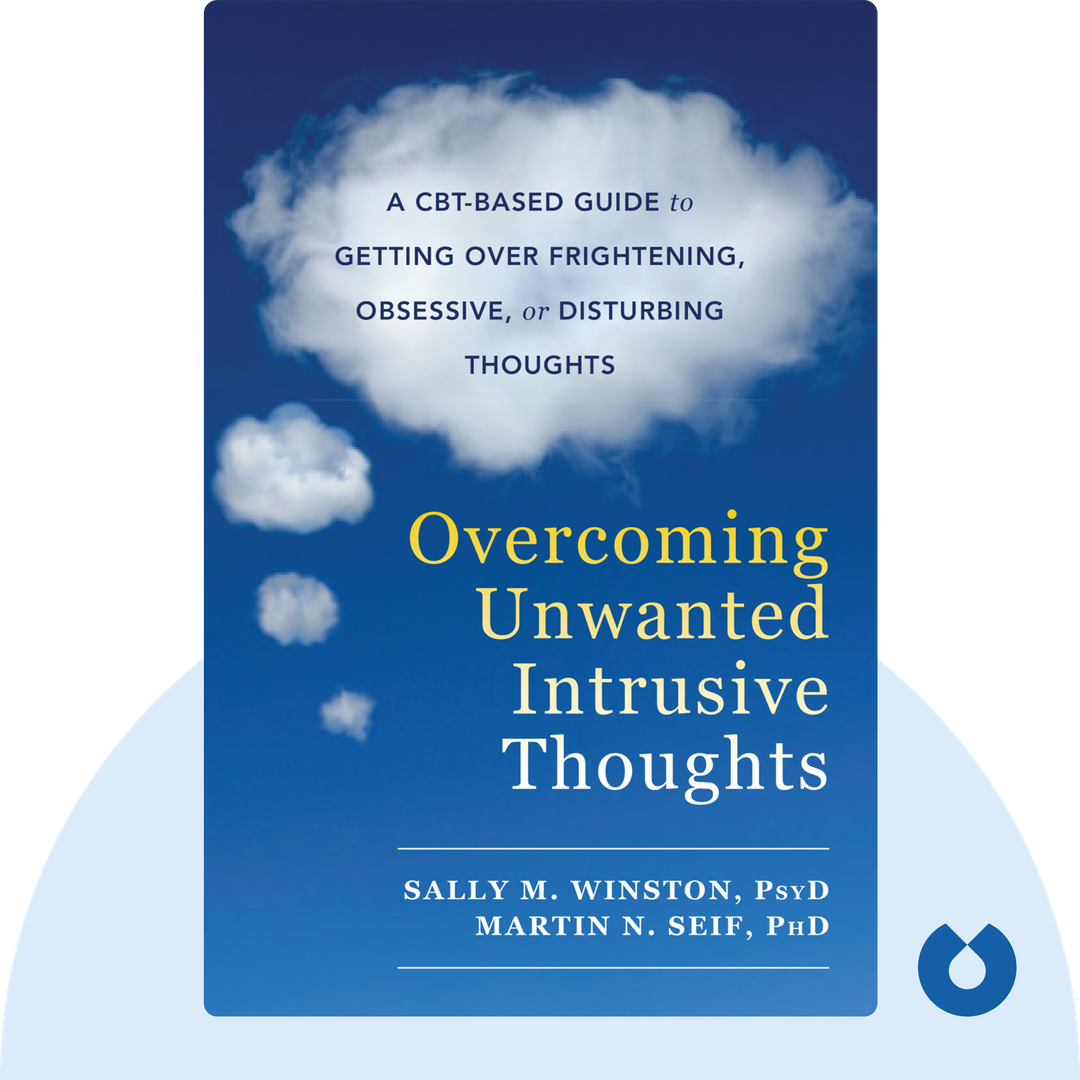
Overcoming Unwanted Intrusive Thoughts
Start ListeningDownload Try free on iPhoneScan to start in 5 seconds
Categories:
If You're Curious About These Questions...
You should listen to this audiobook
- Did you know that the harder you fight to suppress an unwanted thought, the more 'stuck' and powerful it actually becomes?
- What if the secret to ending a cycle of fear and guilt isn't about changing what you think, but changing how you respond to those thoughts?
- Are you curious about the counterintuitive, science-backed technique that allows you to reclaim your peace without needing to 'fix' your mind?
Listen to Overcoming Unwanted Intrusive Thoughts — Cinematic Audio Edition
Loading player...
Key Takeaways from Overcoming Unwanted Intrusive Thoughts
- Discover why disturbing, intrusive thoughts are a completely normal part of the human experience and do not reflect your true character or hidden desires.
- Understand the paradox of resistance and how fighting, worrying about, or trying to suppress unwanted thoughts actually forces them to stick in your mind.
- Learn to identify your three internal voices—the Worried Voice, False Comfort, and the Wise Mind—and how to amplify the Wise Mind to calmly observe thoughts without judgment.
- Find out why avoiding triggers only reinforces your anxiety, and how facing these harmless situations helps you realize they have no actual power over you.
- Master the ability to reframe intrusive thoughts as harmless mental static rather than meaningful threats, allowing them to naturally pass without triggering your brain's alarm system.
Learning Tools
Reinforce what you learned from Overcoming Unwanted Intrusive Thoughts
Mind Map
Overcoming Unwanted Intrusive Thoughts
Understanding Intrusive Thoughts+
The Anxiety Cycle & Avoidance+
Debunking Common Myths+
The Neuroscience of Fear+
Practicing Acceptance (6 Steps)+
Active Tools & Exposure+
Recovery & Setbacks+
Quiz — Test Your Understanding
Question 1 of 8
Why do unwanted intrusive thoughts often recur and become an inescapable cycle of anxiety?
Question 2 of 8
According to the text, which internal voice attempts to soothe anxiety but ultimately feeds the cycle of intrusive thoughts?
Question 3 of 8
Which of the following is NOT one of the three categories of intrusive thoughts mentioned in the book?
Question 4 of 8
What is 'magical thinking' in the context of intrusive thoughts?
Question 5 of 8
Which part of the brain is responsible for mistakenly treating harmless intrusive thoughts as literal threats?
Question 6 of 8
In the six-step process for practicing acceptance, what does the 'Float and Feel' step involve?
Question 7 of 8
Why do the authors recommend intentionally engaging with intrusive thoughts, such as turning them into a song or writing them down?
Question 8 of 8
How should a person view setbacks during their recovery from intrusive thoughts?
Overcoming Unwanted Intrusive Thoughts — Full Chapter Overview
- 1Recommendation
- 2The Trouble with Avoidance
- 3Learning to Tune Out the Static
- 4When the Brain Misfires
- 5Practicing Acceptance
- 6Recovery and Setbacks
- 7Final summary
Overcoming Unwanted Intrusive Thoughts Summary & Overview
Overcoming Unwanted Intrusive Thoughts (2017) offers practical, science-backed tools to break free from the cycle of fear, guilt, and doubt that fuels these distressing mental loops. With relatable examples and proven techniques, you’ll find out how to take control, quiet your mind, and reclaim your peace.
Who Should Listen to Overcoming Unwanted Intrusive Thoughts?
- Individuals experiencing anxiety disorders
- People recovering from trauma
- Anyone curious about mindfulness and acceptance-based strategies
Books Similar to Overcoming Unwanted Intrusive Thoughts
Readers who enjoyed this also liked these titles.