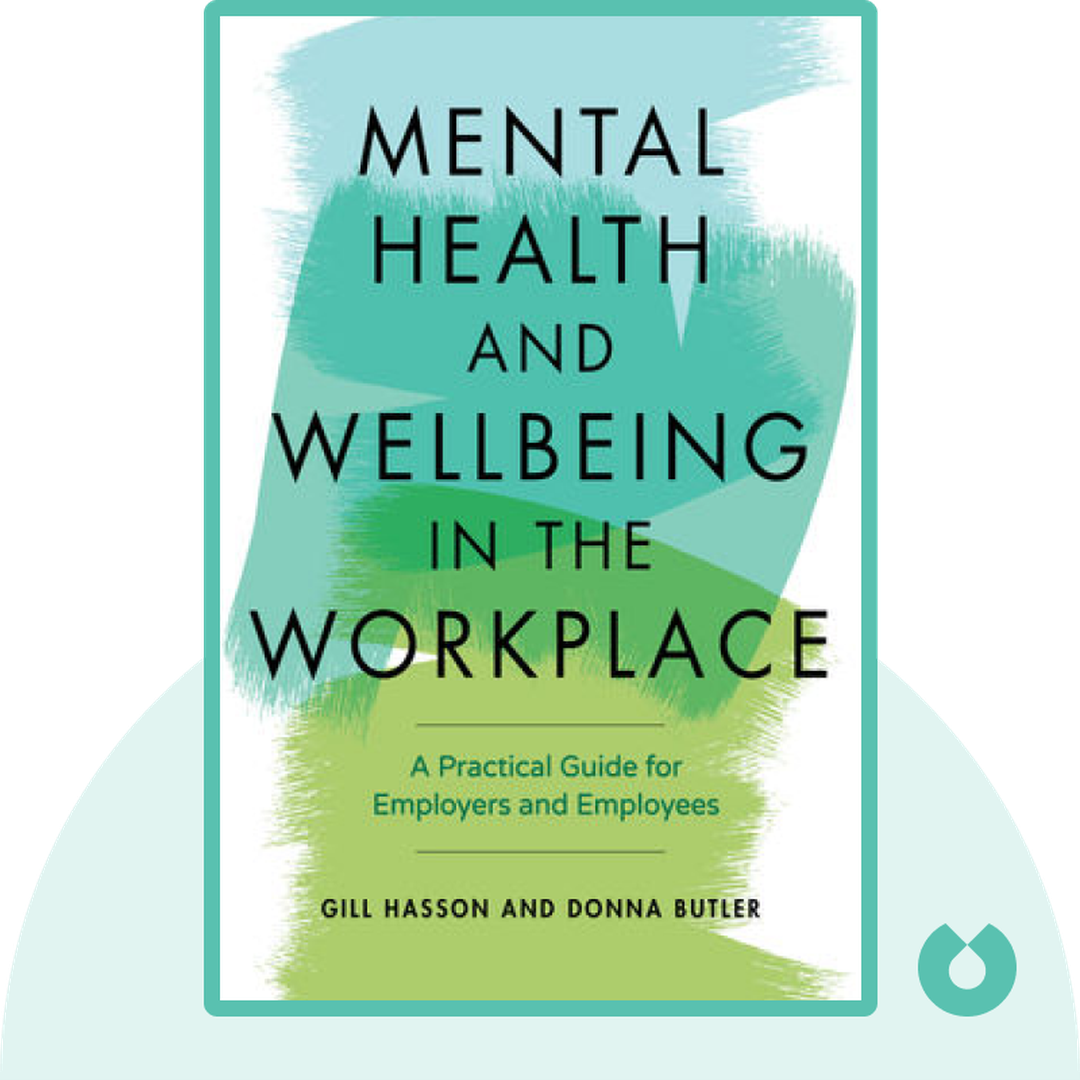
Mental Health and Wellbeing in the Workplace
Start ListeningDownload Try free on iPhoneScan to start in 5 seconds
Categories:
If You're Curious About These Questions...
You should listen to this audiobook
- Did you know that certain common workplace habits are secretly sabotaging your team’s mental health without you even realizing it?
- Have you ever wondered why some people remain resilient under intense pressure while others struggle, and what the specific 'path back to wellness' actually looks like?
- What if you could identify the hidden triggers of workplace stress and transform your office into an environment where both productivity and mental health thrive simultaneously?
Listen to Mental Health and Wellbeing in the Workplace — Free Audiobook
Loading player...
Key Takeaways from Mental Health and Wellbeing in the Workplace
- Understand what good mental health actually looks like, from maintaining positive relationships to being comfortable expressing a full range of emotions.
- Discover how to identify the hidden emotional and physical symptoms of poor mental health, such as unexplained body aches, exhaustion, and social withdrawal.
- Learn the six essential workplace factors that dictate your mental well-being, including role clarity, job autonomy, and how organizational change is handled.
- Find out how managers can effectively assess team well-being by using anonymous questionnaires to identify and resolve hidden workplace hazards.
- Master the ability to foster a culture of openness in your organization so employees feel safe reporting stress and seeking the support they need.
Learning Tools
Reinforce what you learned from Mental Health and Wellbeing in the Workplace
Mind Map
Mental Health and Wellbeing in the Workplace
Defining Mental Well-being+
Six Pillars of Workplace Health+
Leadership & Culture+
Supporting Struggling Employees+
Employee Self-Care Strategies+
Quiz — Test Your Understanding
Question 1 of 7
According to the text, which of the following is a potential physical indicator of poor mental health?
Question 2 of 7
Which of the following factors is essential for an employee's mental well-being at work?
Question 3 of 7
What is recommended as the first step for business leaders who want to improve their employees' mental well-being?
Question 4 of 7
How does writing a to-do list at the end of the workday help improve work-life balance?
Question 5 of 7
When a manager co-creates a 'wellness action plan' with an employee, what should be the primary focus of the document?
Question 6 of 7
What is the primary purpose of keeping a 'thought diary'?
Question 7 of 7
Which of the following is a recommended habit for improving sleep and, consequently, mental well-being?
Mental Health and Wellbeing in the Workplace — Full Chapter Overview
- 1Recommendation
- 2The first step toward mental well-being is knowing what it looks like.
- 3Mental well-being at work relies on several key areas.
- 4Leaders must take action to improve employee well-being.
- 5Better mental health begins with a healthier work-life balance.
- 6Managers can support struggling employees by co-creating a wellness action plan.
- 7You can identify your mental health triggers by starting a thought diary.
- 8Final summary
Mental Health and Wellbeing in the Workplace Summary & Overview
Mental Health and Wellbeing in the Workplace (2020) explains how both organizations and individuals can promote better mental health at work. The authors explore the causes and effects of poor mental health in the office and shed light on the path back to wellness.
Who Should Listen to Mental Health and Wellbeing in the Workplace?
- Anyone struggling with mental health issues
- Leaders seeking new insights
- Human-resource professionals looking for a fresh perspective
Books Similar to Mental Health and Wellbeing in the Workplace
Readers who enjoyed this also liked these titles.