If You're Curious About These Questions...
You should listen to this audiobook
- What if you could command the respect and authority of a senior leader without ever changing your job title?
- Have you ever wondered why some professionals effortlessly gain their manager’s trust and support while others remain overlooked?
- What’s the secret to mastering the ten specific conversations that turn workplace friction into career-defining influence?
Listen to Managing Up — Free Audiobook
Loading player...
Key Takeaways from Managing Up
- Discover how to safeguard your career by aligning your role with company priorities through stakeholder "power maps" and direct conversations about success metrics.
- Master the art of managing up by adapting to your manager's unique leadership style using the 4Cs framework of Commanders, Cheerleaders, Caretakers, and Controllers.
- Learn to take ownership and solve workplace inefficiencies without waiting for approval by starting small and pre-framing solutions to reduce resistance.
- Understand how to strategically push back on excessive workloads by offering alternatives, explaining trade-offs, and connecting your boundaries to organizational goals.
- Find out how to safely deliver upward feedback to your boss by focusing on actions rather than personalities, keeping your language neutral, and proposing constructive solutions.
Learning Tools
Reinforce what you learned from Managing Up
Mind Map
Managing Up
Alignment and Styles+
Ownership and Boundaries+
Feedback and Networking+
Visibility and Advancement+
Money and Quitting+
Quiz — Test Your Understanding
Question 1 of 9
According to the book, what is the purpose of creating a 'power map' in the workplace?
Question 2 of 9
In the 4Cs framework of leadership styles, how is a 'Controller' manager best described?
Question 3 of 9
What is the recommended purpose of creating a 'Me Manual'?
Question 4 of 9
When having the 'ownership' conversation to solve workplace inefficiencies, what approach is recommended to gain leadership buy-in?
Question 5 of 9
How does the author recommend handling a boss who assigns an excessive workload?
Question 6 of 9
What is a key strategy for providing effective feedback to your manager without causing unnecessary defensiveness?
Question 7 of 9
How should professionals frame their contributions to increase visibility without appearing overly boastful?
Question 8 of 9
If your manager claims the budget is too tight for a salary increase during a money conversation, what is the recommended next step?
Question 9 of 9
What is the book's stance on accepting a counteroffer from your current employer when you attempt to resign?
Managing Up — Full Chapter Overview
- 1Recommendation
- 2The alignment and work-style conversations that grow your influence
- 3The ownership and boundary conversations that shape your impact
- 4The feedback and networking conversations that develop your career
- 5The visibility and advancement conversations that fuel your success
- 6The money and quitting conversations that shape your career
- 7Final summary
Managing Up Summary & Overview
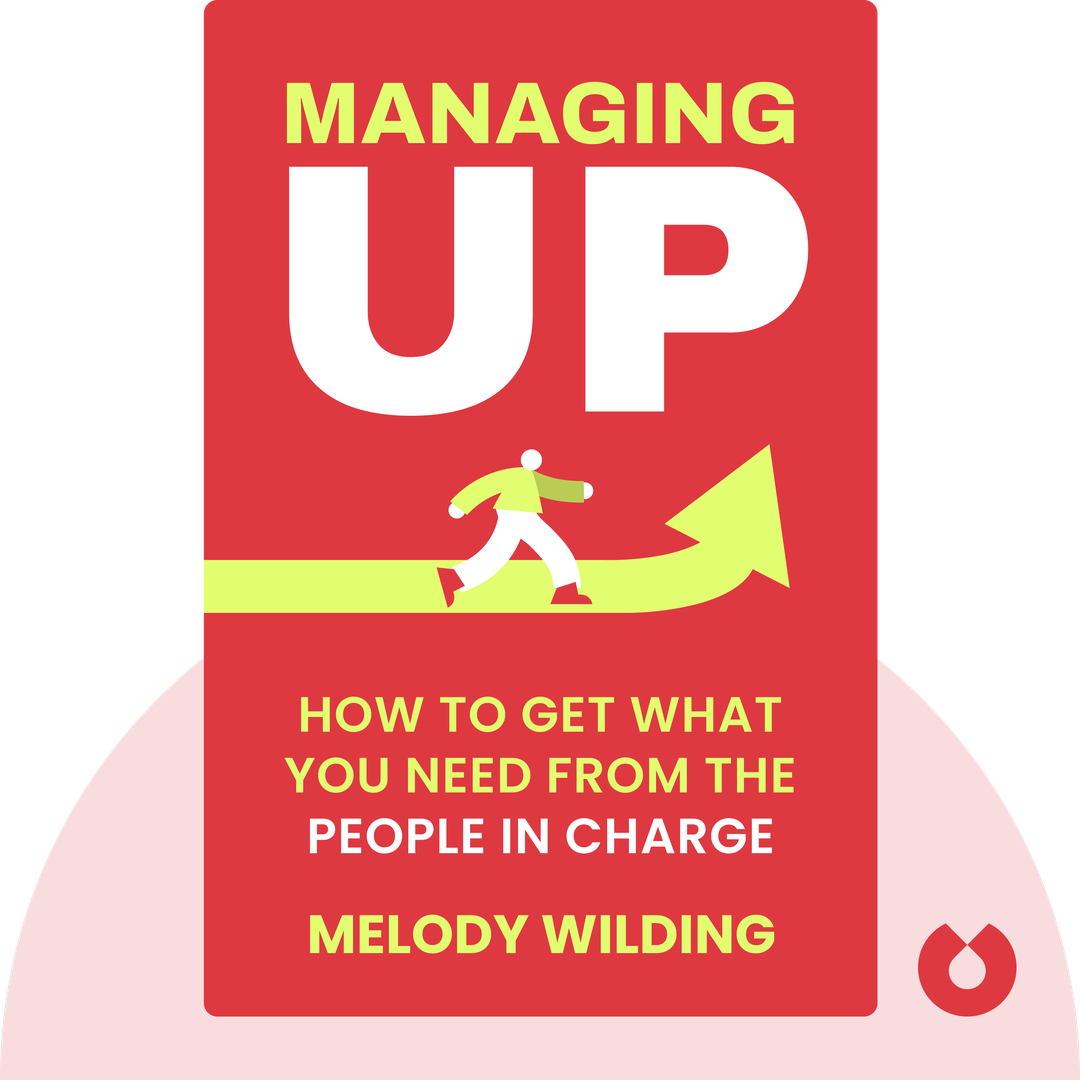
Managing Up (2025) offers practical strategies for managing workplace power dynamics and strengthening relationships with leaders. It will provide you with the tools to gain influence, advocate for your needs, and increase your authority without changing job titles. By distilling key workplace challenges into ten essential conversations, it helps you to communicate with confidence, set boundaries, and position yourself for success.
Who Should Listen to Managing Up?
- Career-driven professionals aiming for stability and growth
- Managers and leaders improving team communication and decision-making
- Job seekers and career changers planning their next move
Books Similar to Managing Up
Readers who enjoyed this also liked these titles.