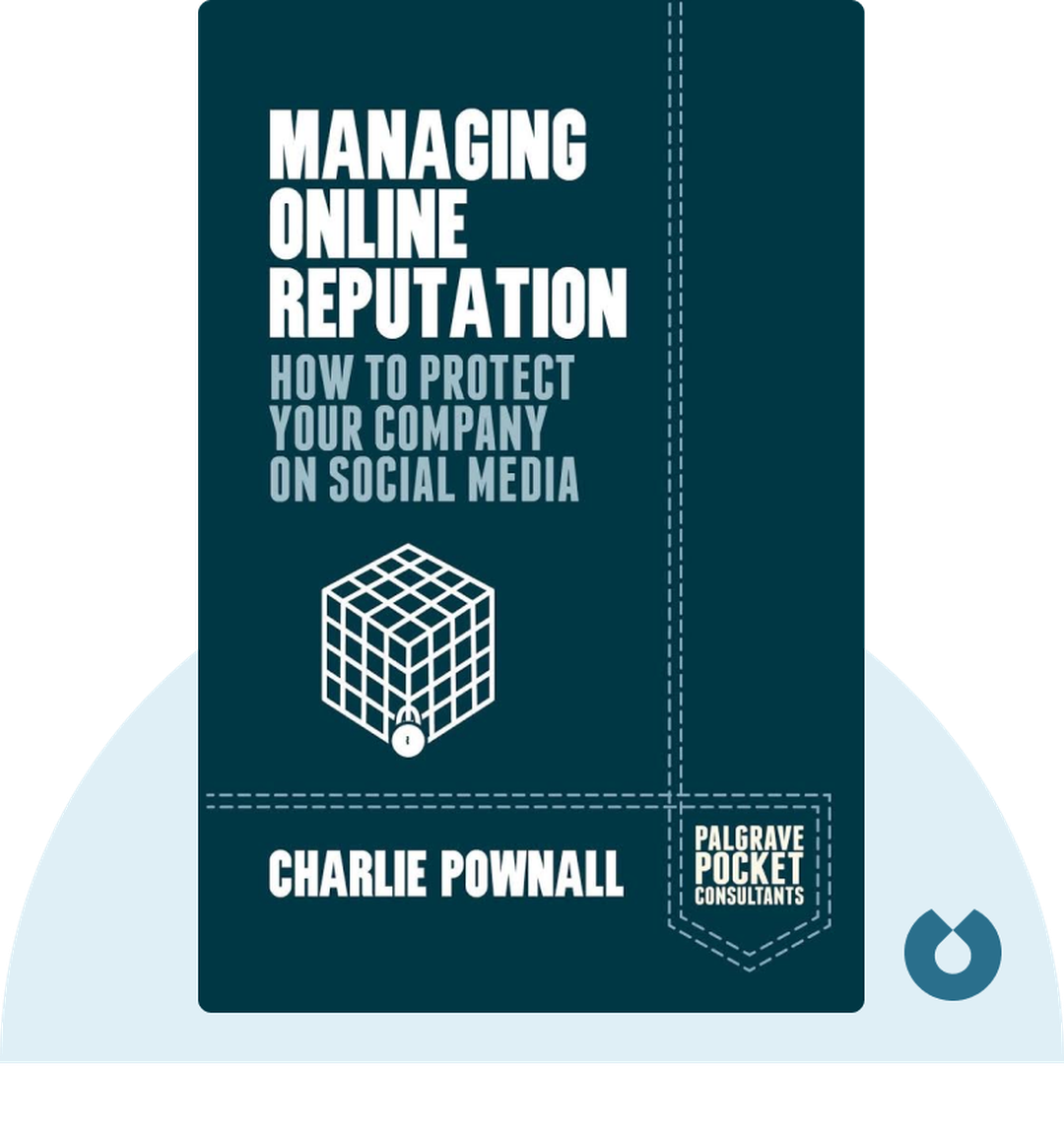
Managing Online Reputation
Start ListeningDownload Try free on iPhoneScan to start in 5 seconds
Categories:
If You're Curious About These Questions...
You should listen to this audiobook
- Did you know that a single post from one unhappy customer can trigger a digital "tornado" capable of destroying years of brand building in just hours?
- Have you ever wondered why even the most successful CEOs often make critical mistakes that turn minor social media blunders into full-blown reputation crises?
- What's the secret to building a proactive digital shield that protects your brand from viral negativity before it even starts?
Listen to Managing Online Reputation — Free Audiobook
Loading player...
Key Takeaways from Managing Online Reputation
- Discover why online promotional campaigns carry inherent risks and how inviting public engagement can quickly spiral out of your control.
- Learn how unmanaged social media complaints can resurface past controversies and attract uncontrollable negative attention from mainstream press outlets.
- Understand how the low cost and wide reach of digital platforms expose your business to highly coordinated, anonymous smear campaigns from competitors.
- Recognize the unprecedented power the internet gives individuals and activist groups to launch viral campaigns that force massive corporate policy changes.
- Master the delicate balance of online crisis management by learning why you must react to emerging issues quickly, but never before gathering all the facts.
Learning Tools
Reinforce what you learned from Managing Online Reputation
Mind Map
Managing Online Reputation
The New Digital Landscape+
Risks of Social Media Campaigns+
Crisis Management & Response+
Handling Stakeholders+
Quiz — Test Your Understanding
Question 1 of 8
Why did Qantas's #QantasLuxury Twitter campaign backfire?
Question 2 of 8
What does the Hoi Tin Tong incident demonstrate about the nature of social media?
Question 3 of 8
How did graduate student Molly Katchpole successfully pressure Bank of America to cancel their planned five-dollar debit card fee?
Question 4 of 8
What was the critical first step FedEx's PR manager took when dealing with the viral video of an employee throwing a package?
Question 5 of 8
What mistake did Applebee's make when handling the viral incident involving the pastor's receipt?
Question 6 of 8
According to the book, what should Elon Musk have done differently when responding to the negative New York Times review of the Tesla Model S?
Question 7 of 8
Why was Malaysia Airlines' initial social media response to the disappearance of flight MH370 heavily criticized?
Question 8 of 8
Why does the author recommend that companies maintain a corporate blog?
Managing Online Reputation — Full Chapter Overview
- 1Recommendation
- 2Online marketing campaigns can backfire and create major negative publicity for companies.
- 3Social media can attract customers, but it also leaves companies open to attacks from competitors.
- 4The internet gives individuals and small companies the chance to become highly influential.
- 5When facing a possible crisis, get the facts straight before you respond.
- 6Employees can be just as challenging as customers, but they must be handled sensitively.
- 7When dealing with journalists or the press, stay careful and diplomatic.
- 8In a crisis, a quick response and sincere apology are essential to defusing the situation.
- 9Final summary
Managing Online Reputation Summary & Overview
Managing Online Reputation (2015) offers insight into how companies and CEOs who don’t know how to manage social media and the internet can damage their reputations. Find out how one small incident with an unhappy customer can spiral into a tornado of negative posts and angry tweets. More importantly, find out how you can prevent this from happening to you.
Who Should Listen to Managing Online Reputation?
- Anyone using social media to market their company
- Marketing professionals
- Students of public relations
Books Similar to Managing Online Reputation
Readers who enjoyed this also liked these titles.