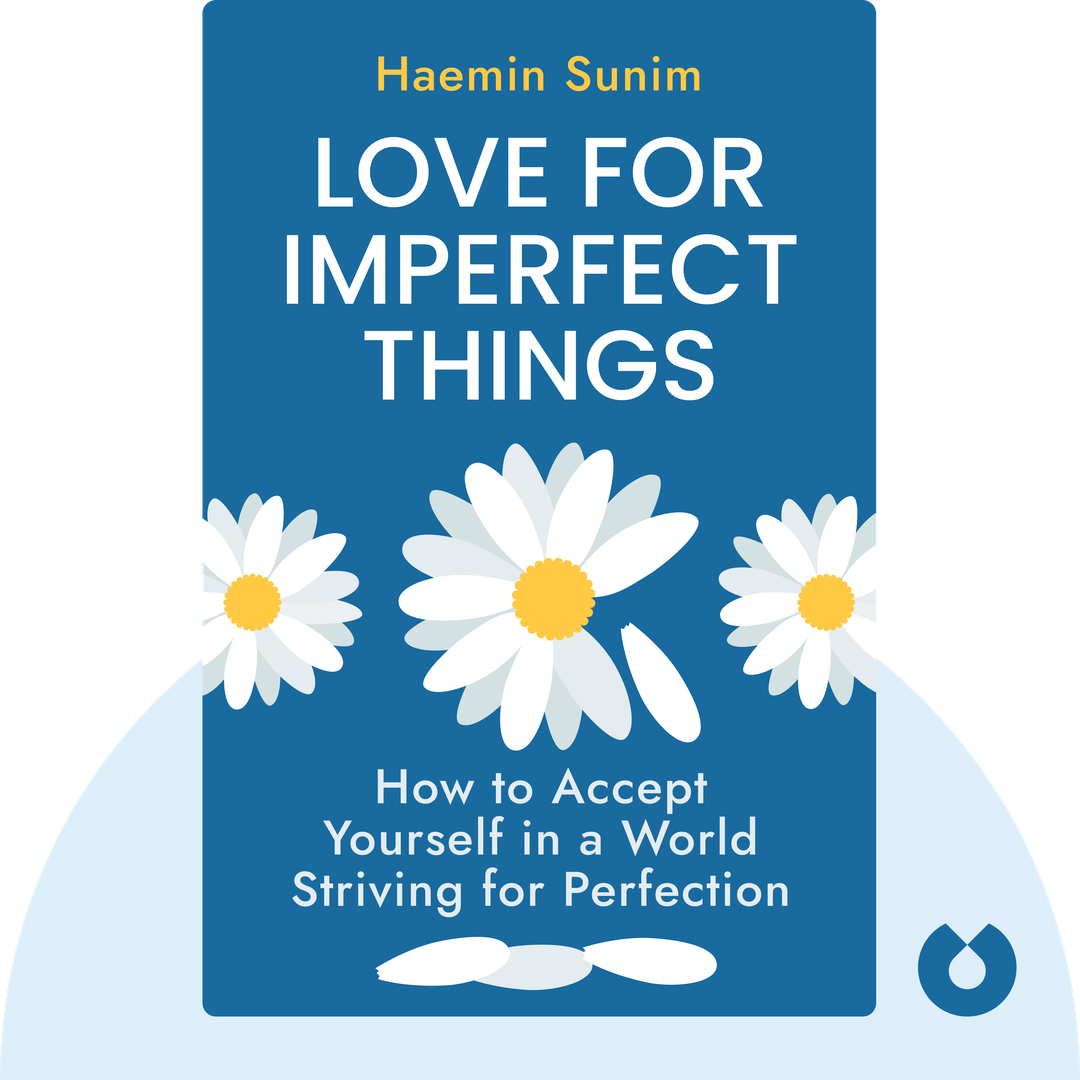
Love for Imperfect Things
Start ListeningDownload Try free on iPhoneScan to start in 5 seconds
Categories:
If You're Curious About These Questions...
You should listen to this audiobook
- What if the very flaws you’ve been trying to hide are actually the key to finding your deepest sense of inner peace?
- Did you know that the secret to truly loving others begins with a specific way of treating yourself when you fail?
- Have you ever wondered why the pursuit of perfection often leaves us feeling disconnected, and what it really takes to feel authentic again?
Listen to Love for Imperfect Things — Free Audiobook
Loading player...
Key Takeaways from Love for Imperfect Things
- Discover how approaching yourself with unconditional acceptance can help you shed the burden of others' expectations and reconnect with your inherent worth.
- Learn why constantly suppressing your own desires to please others causes anxiety, and how respectfully expressing your authentic feelings actually deepens relationships.
- Understand that your self-worth is never dependent on your achievements or productivity, and find healing by offering unconditional love to your wounded inner child.
- Find out why physical touch like hugging is a vital human necessity, scientifically proven to lower stress hormones and boost your immune system.
- Master the practice of treating relationship disappointments as essential warning lights, rather than suppressing your feelings when they seem vulnerable or trivial.
Learning Tools
Reinforce what you learned from Love for Imperfect Things
Mind Map
Love for Imperfect Things
Self-Worth & Acceptance+
Authenticity & Expression+
Navigating Relationships+
Mindfulness & Stillness+
Spiritual Awakening+
Quiz — Test Your Understanding
Question 1 of 6
Why do many adults struggle to identify their true desires and feelings, according to the text?
Question 2 of 6
What realization did Sunim's successful friend make about his chronic anxiety and relentless professional drive?
Question 3 of 6
How did Haemin Sunim's perspective on hugging change after he moved to the United States?
Question 4 of 6
What does the book suggest is the true danger of leaving feelings of disappointment unaddressed in a relationship?
Question 5 of 6
In the context of mindfulness and observing the mind, what does Sunim compare to the 'canvas of the painting of experience'?
Question 6 of 6
What did Sunim learn that the concept of 'Buddha-nature' represents?
Love for Imperfect Things — Full Chapter Overview
- 1Recommendation
- 2Finding your voice again
- 3Claiming what was always yours
- 4Welcoming life with open arms
- 5Removing the stone from your shoe
- 6Life as a canvas
- 7A path beyond words
- 8Final summary
Love for Imperfect Things Summary & Overview
Love for Imperfect Things (2018) explores the transformative power of self-acceptance as the foundation for happiness and great relationships. It advocates embracing personal flaws as essential to finding inner peace and developing genuine compassion for others, offering an approach to well-being that starts with being kind to oneself first.
Who Should Listen to Love for Imperfect Things?
- People who feel disconnected from their authentic selves
- Those experiencing disappointment or suffering in life or relationships
- Anyone interested in Buddhism applied to daily life
Books Similar to Love for Imperfect Things
Readers who enjoyed this also liked these titles.