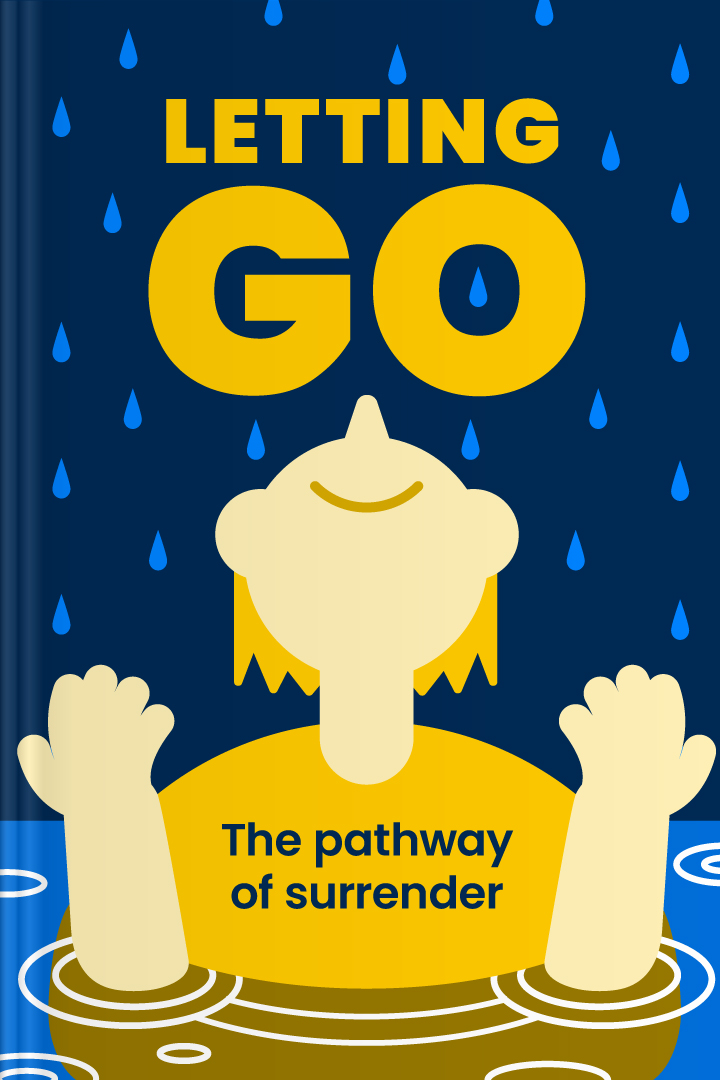
Letting Go: A Gentle Practice for Releasing Inner Pressure
If You're Curious About These Questions...
You should listen to this audiobook
- Did you know that the emotions you try to push down never actually disappear, but instead transform into a hidden pressure that dictates your stress levels and physical health?
- Have you ever wondered why common habits like venting, denial, or distraction often fail to provide lasting relief from your inner emotional weight?
- What if the secret to lasting peace and confidence isn't about working harder, but about a gentle way of letting your feelings pass through you instead of staying stuck?
Listen to Letting Go: A Gentle Practice for Releasing Inner Pressure — Cinematic Audio Edition
Key Takeaways from Letting Go: A Gentle Practice for Releasing Inner Pressure
- Understand that letting go doesn't require 'fixing' yourself, but instead invites you to meet your emotions with gentle openness so they can complete their natural cycle.
- Discover why ignoring difficult emotions creates hidden inner pressure that quietly drives stress, exhaustion, and unnecessary conflict over time.
- Recognize the destructive patterns of denial and projection, and learn how to stop burying your emotional truth or blaming your pain on others.
- Find out how a single trapped feeling can generate thousands of anxious thoughts, and why releasing the deeper emotional ache naturally quiets an overactive mind.
- Master the practice of inner surrender by simply noticing a feeling, staying with it, and allowing it to run its course without trying to fight or change it.
Learning Tools
Reinforce what you learned from Letting Go: A Gentle Practice for Releasing Inner Pressure
Mind Map
Quiz — Test Your Understanding
Letting Go: A Gentle Practice for Releasing Inner Pressure — Full Chapter Overview
- 1Recommendation
- 2The Burden We Carry
- 3How Feelings and Thoughts Connect
- 4The Strength of Surrender
- 5Common Barriers to Letting Go
- 6The Road to Emotional Freedom
- 7Final summary
Letting Go: A Gentle Practice for Releasing Inner Pressure Summary & Overview
This audiobook-style summary offers a calm, supportive path for anyone who feels weighed down by stress, mood swings, or an unexplainable sense of inner heaviness. Across seven chapters, it explores a simple but profound idea: emotions don’t disappear when they’re pushed down—they often turn into pressure that affects thoughts, relationships, confidence, and even the body.
With gentle encouragement, the narration walks through common patterns like denial, projection, venting, and escape, and then introduces a more soothing alternative: allowing feelings to surface, staying with them, and letting them pass through naturally. The tone is practical and compassionate, emphasizing small steps, personal responsibility without self-blame, and the steady growth of courage, humility, acceptance, and peace.
Who Should Listen to Letting Go: A Gentle Practice for Releasing Inner Pressure?
- Listeners who feel emotionally “full,” tense, or stuck in recurring stress patterns, and want a calmer way to relate to their feelings.
- Anyone who tends to suppress emotions, overthink, or avoid discomfort, and would like gentle tools for releasing inner pressure.
- People working on confidence, relationships, or self-esteem who want to practice responsibility and kindness without perfectionism.
Books Similar to Letting Go: A Gentle Practice for Releasing Inner Pressure
Readers who enjoyed this also liked these titles.