If You're Curious About These Questions...
You should listen to this audiobook
- Have you ever wondered why some past burdens feel impossible to shake, and what it truly takes to finally reclaim your emotional freedom?
- What if you could replace your inner critic with a mindset so resilient that life’s biggest challenges no longer feel like insurmountable obstacles?
- What’s the secret to letting go of the things you can’t control, and how could mastering this one skill unlock a more purposeful and liberated version of yourself?
Listen to The Art of Letting Go — Cinematic Audio Edition
Loading player...
Key Takeaways from The Art of Letting Go
- Master the dichotomy of control to distinguish between what you can influence and what you must accept, channeling your energy into actionable choices.
- Learn how to practice 'self-distancing' to view challenges from a wider perspective, allowing you to regulate your emotions and make better decisions.
- Develop nonjudgmental thinking by observing your thoughts without labeling them as good or bad, creating a healing space for deep self-compassion.
- Discover the concept of 'excellentism' to replace the paralyzing pursuit of perfectionism with a forgiving, human approach to self-improvement.
- Understand why cultivating a growth mindset helps you silence your inner critic, allowing you to view inevitable setbacks as valuable signposts on your road to success.
Learning Tools
Reinforce what you learned from The Art of Letting Go
Mind Map
The Art of Letting Go
Embracing Change & Control+
Overcoming the Inner Critic+
Cultivating a Growth Mindset+
Transforming Self-Perception+
Quiz — Test Your Understanding
Question 1 of 5
According to the text, what is the primary purpose of understanding the 'dichotomy of control'?
Question 2 of 5
Which practice is recommended to help regulate emotions by considering experiences from a wider vantage point?
Question 3 of 5
How does the text distinguish the concept of 'excellentism' from perfectionism?
Question 4 of 5
When facing a setback or obstacle, how does a person with a growth mindset typically respond?
Question 5 of 5
What is the main benefit of externalizing negative self-talk, as illustrated by the story of Lucas the artist?
The Art of Letting Go — Full Chapter Overview
- 1Recommendation
- 2Embracing change
- 3Silencing your inner critic
- 4The life-changing power of a growth mindset
- 5Reframing self-perception
The Art of Letting Go Summary & Overview
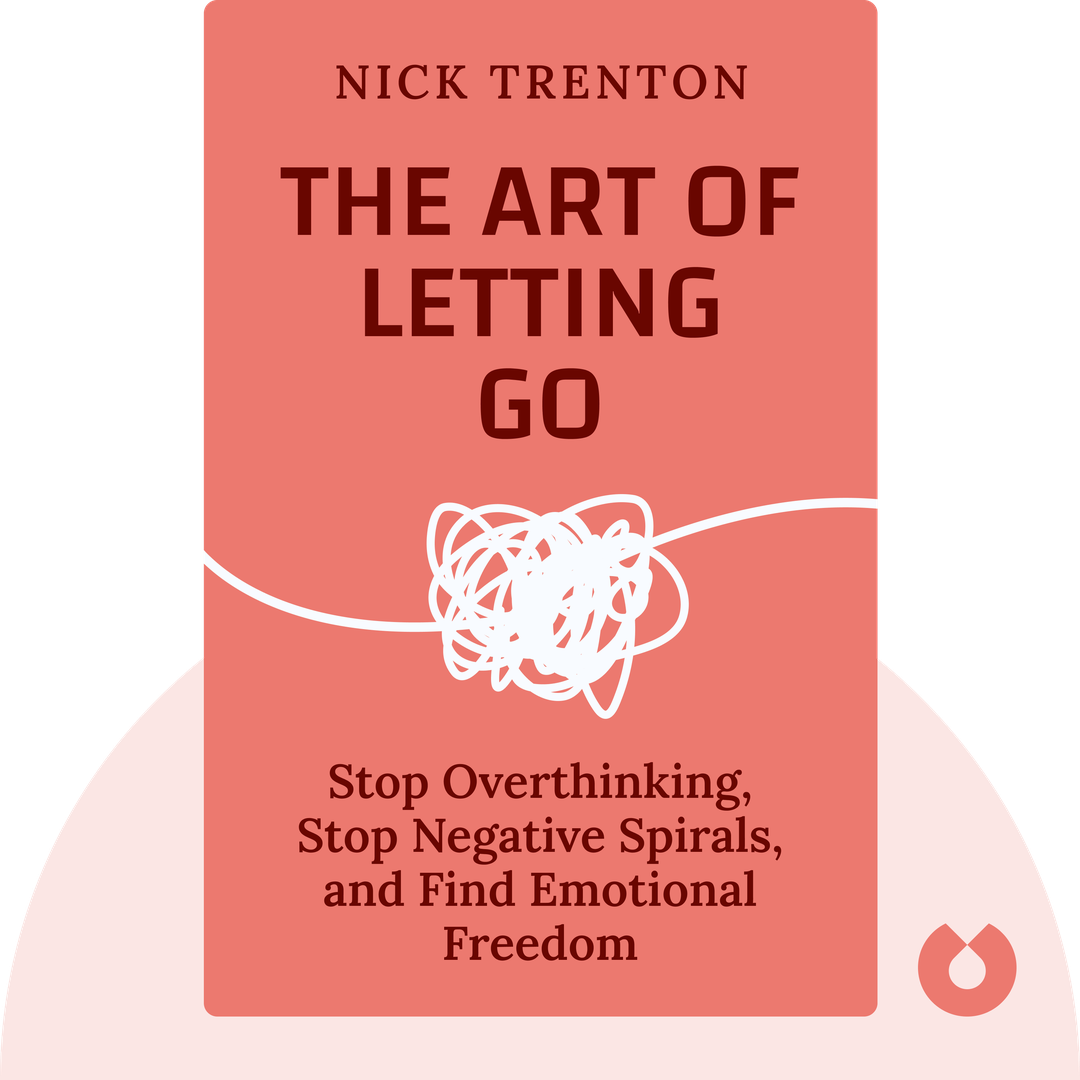
The Art of Letting Go (2023) invites you on a transformative journey toward emotional freedom. It’s a guide to shedding the burdens of the past, embracing self-compassion, and cultivating a growth mindset for a purposeful and liberated existence. Dive into this exploration and emerge more resilient, insightful, and equipped to navigate life’s challenges with grace.
Who Should Listen to The Art of Letting Go?
- Self-help enthusiasts seeking emotional freedom
- Individuals interested in personal growth and resilience
- Readers looking for guidance on self-compassion
Books Similar to The Art of Letting Go
Readers who enjoyed this also liked these titles.