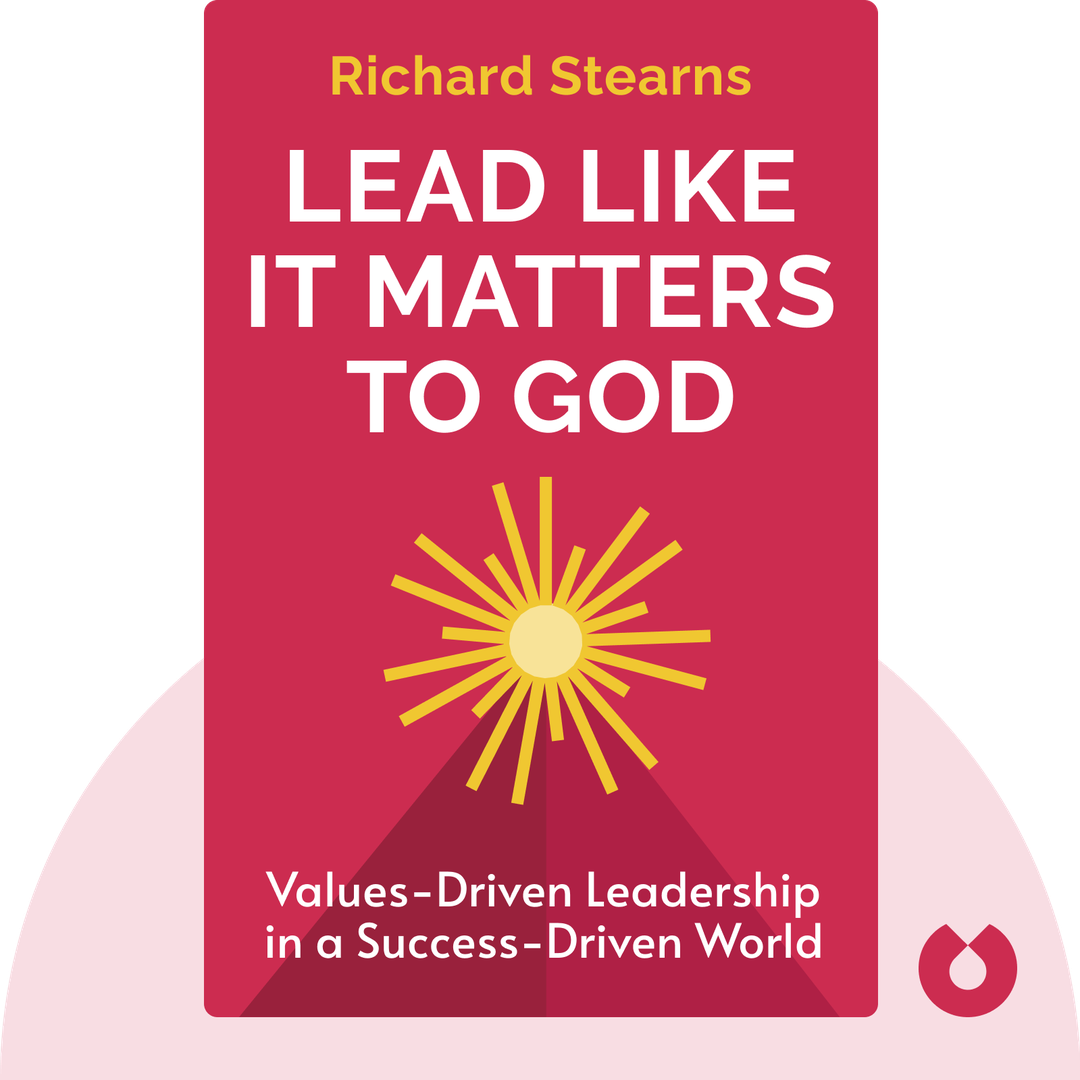
Lead Like It Matters to God
Start ListeningDownload Try free on iPhoneScan to start in 5 seconds
Categories:
If You're Curious About These Questions...
You should listen to this audiobook
- Did you know that the most impactful leaders aren't defined by their profits or titles, but by a set of values that the corporate world often ignores?
- Have you ever wondered how you can bridge the gap between your spiritual beliefs and your professional life to find a deeper sense of purpose at work?
- What if you could transform your organization's culture by prioritizing character over credentials and people over productivity?
Listen to Lead Like It Matters to God — Free Audiobook
Loading player...
Key Takeaways from Lead Like It Matters to God
- Understand why you should stop compartmentalizing your faith and career, and instead embrace your primary role as an intentional ambassador for Christ in the secular workplace.
- Discover how the spiritual practices of surrender and sacrifice can help you overcome daily pressures and put personal ambitions aside for a higher leadership purpose.
- Learn a practical alternative to the 'What would Jesus do?' slogan by asking 'What would love do?' to better guide your professional interactions and decisions.
- Find out how to view your coworkers from God's perspective, ensuring you treat everyone from the janitor to the CEO with equal kindness, respect, and love.
- Master the art of cultivating a positive work culture by mirroring Jesus's leadership approach of using continuous encouragement and praise rather than focusing on criticism.
Learning Tools
Reinforce what you learned from Lead Like It Matters to God
Mind Map
Lead Like It Matters to God
Core Purpose+
Foundational Traits+
Relational Leadership+
Vision & Courage+
Humility & Awareness+
Sustainable Practices+
Quiz — Test Your Understanding
Question 1 of 9
According to the author, what is the primary role of a Christian in the secular workplace?
Question 2 of 9
What does the author identify as the starting points for Christian leadership?
Question 3 of 9
What practical alternative does the author suggest to the popular slogan 'What would Jesus do?' (WWJD)?
Question 4 of 9
How does the author suggest leaders can effectively relieve tension and create a positive work culture?
Question 5 of 9
In the author's experience at World Vision, what did the incident with the undelivered pumpkin seeds demonstrate about leadership?
Question 6 of 9
According to the author, what is the first stage of setting a vision as a leader?
Question 7 of 9
What lesson did the author learn from his interaction with a woman running a microfinance program in rural Uganda?
Question 8 of 9
How does the author suggest Christian leaders should view conventional notions of success?
Question 9 of 9
What actionable advice does the author give regarding work-life balance for leaders and their teams?
Lead Like It Matters to God — Full Chapter Overview
- 1Recommendation
- 2At work, Christians should remember their primary role: serving as ambassadors for Christ.
- 3Surrender and sacrifice are the foundation of Christian leadership.
- 4View your coworkers through God’s eyes, and respond with love.
- 5Leaders can build a positive workplace culture with encouragement and humor.
- 6Leaders should make integrity a priority and model it for their teams.
- 7A courageous leader with vision can stay motivated and inspire others.
- 8Leaders should be humble, self-aware, and willing to listen to others.
- 9Let go of conventional ideas of success and focus on faith.
- 10Final summary
Lead Like It Matters to God Summary & Overview
Lead Like It Matters to God (2021) is a reminder to Christians that work isn’t just about money and status. Stearns uses his own career experiences to offer guidance to Christians in leadership positions. He outlines the key values to prioritize and gives practical suggestions for improving organizations and creating a more positive working environment.
Who Should Listen to Lead Like It Matters to God?
- Leaders and aspiring leaders
- Christians contemplating their careers
- People who want to integrate their religious values with their working lives
Books Similar to Lead Like It Matters to God
Readers who enjoyed this also liked these titles.