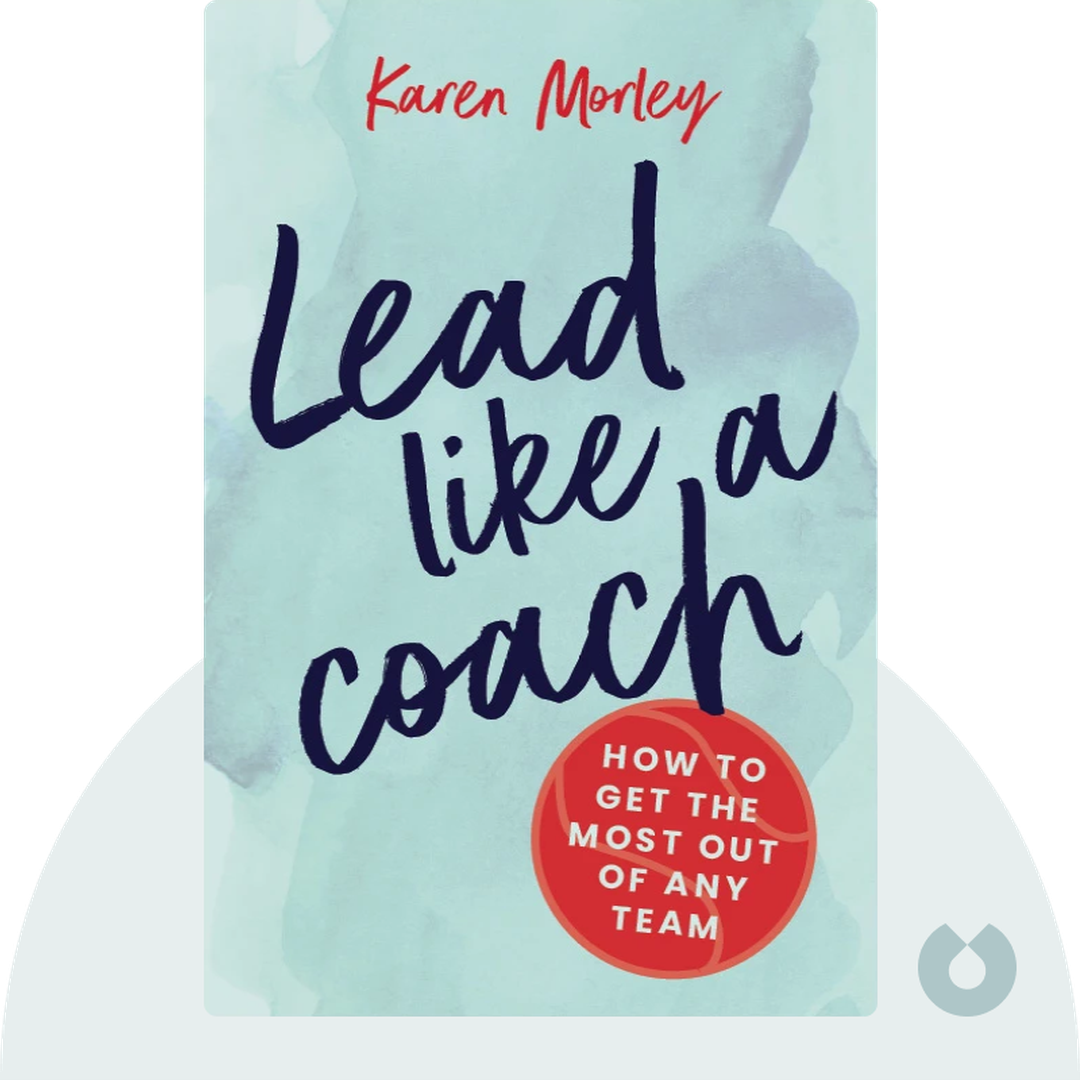
If You're Curious About These Questions...
You should listen to this audiobook
- Did you know that traditional management styles might be the very thing holding your team back from reaching their full potential?
- What if you could shift your leadership style to build deeper, more supportive relationships that naturally boost employee engagement?
- Are you curious about why top-tier organizations are ditching old-school oversight for a coaching model—and how you can do the same?
Listen to Lead Like a Coach — Free Audiobook
Loading player...
Key Takeaways from Lead Like a Coach
- Understand why traditional, factory-era management styles fail in the modern knowledge workplace and actually degrade employee motivation.
- Discover why boosting employee motivation is the most crucial role of a modern leader, directly leading to lower turnover and higher productivity.
- Learn how to foster psychological safety by modeling warmth and trust, allowing your team to communicate openly and solve problems collaboratively.
- Master the paradox of leadership power by discovering how delegating responsibilities and giving your team freedom actually increases your influence.
- Find out how shifting from a self-centered manager to a supportive coach prioritizes your team's long-term well-being, naturally driving exceptional results.
Learning Tools
Reinforce what you learned from Lead Like a Coach
Mind Map
Lead Like a Coach
The Shift to Modern Leadership+
Core Coaching Principles+
Essential Coaching Techniques+
Organizational Benefits+
Taking Action+
Quiz — Test Your Understanding
Question 1 of 8
According to the text, why does the controlling management style of the early twentieth century fail in the modern workplace?
Question 2 of 8
What is 'psychological safety' in the context of a coaching leadership style?
Question 3 of 8
What paradox do leaders who adopt a coaching style experience regarding power?
Question 4 of 8
When holding a coaching conversation, what should a leader avoid doing?
Question 5 of 8
According to motivation researchers Amabile and Kramer, why is a high proportion of positive feedback so crucial?
Question 6 of 8
How does Marshall Goldsmith's concept of 'feedforward' differ from traditional feedback?
Question 7 of 8
What lesson can leaders learn from video games to improve employee motivation?
Question 8 of 8
What does the author mean by the practice of 'micro-coaching'?
Lead Like a Coach — Full Chapter Overview
- 1Recommendation
- 2The main role of leadership in today’s workplace should be motivating employees.
- 3Coaches establish a workplace climate of trust and support.
- 4Coaching leaders experience less stress and have greater influence.
- 5Organizations that encourage coaching benefit from a stronger work culture.
- 6Coaching conversations help team members reflect and grow.
- 7Feedback should be regular, positive, and aimed at future improvement.
- 8Setting objectives and recognizing progress make work more meaningful.
- 9Final summary
Lead Like a Coach Summary & Overview
Lead Like a Coach (2018) is a how-to guide to the coaching model of leadership. Packed with advice and insight, these blinks are the perfect companion for any leader looking to up their game. Making a clear case for the benefits of coaching over older managerial styles, they explain why coaching is so relevant today and why many organizations are opting to switch to this model.
Who Should Listen to Lead Like a Coach?
- Leaders who care about the people they lead
- Executives who want to improve company work culture
- People who want to develop more personal and supportive relationships
Books Similar to Lead Like a Coach
Readers who enjoyed this also liked these titles.