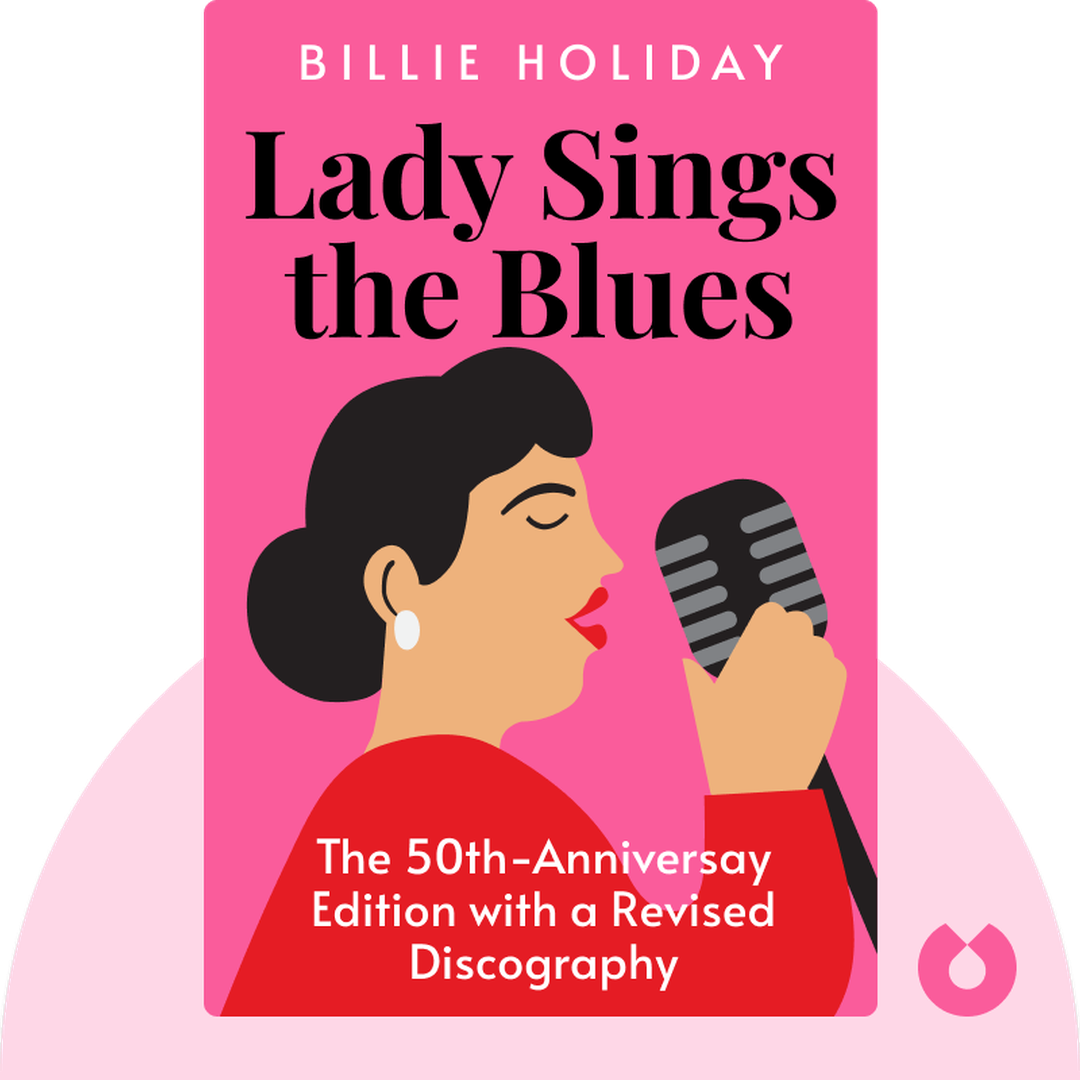
If You're Curious About These Questions...
You should listen to this audiobook
- Did you know that the legendary 'Lady Day' had to survive a harrowing childhood in Baltimore long before she ever stepped into the spotlight of Harlem’s jazz scene?
- Have you ever wondered what it was really like to navigate the glamorous yet dangerous world of underground speakeasies during the height of the Jazz Age?
- Are you curious about the raw, untold story behind the music of an icon who faced the double-edged sword of international stardom and a relentless battle with systemic racism?
Listen to Lady Sings the Blues — Free Audiobook
Loading player...
Key Takeaways from Lady Sings the Blues
- Discover how Billie Holiday transformed a traumatic childhood filled with poverty, abuse, and prostitution into the deep, emotional vocal style that made her a legend.
- Learn why Holiday embraced improvisation in both her music and her storytelling, cultivating a unique jazz sound by refusing to sing any tune the same way twice.
- Understand the brutal physical and emotional toll of 1930s racism, from being forced to darken her skin on stage to being denied basic human necessities while touring.
- Explore the tragic inspiration behind the iconic protest song 'Strange Fruit', which skyrocketed her career after her father died from being refused hospital treatment due to segregation.
- Find out how a desperate search for work to avoid winter eviction led to a life-changing Harlem audition, launching a career that connected her with musical giants like Benny Goodman.
Learning Tools
Reinforce what you learned from Lady Sings the Blues
Mind Map
Lady Sings the Blues
Early Life & Trauma+
Musical Discovery & Style+
Racism & Touring+
Stardom & Activism+
Addiction & Legal Battles+
Prison & Comeback+
Legacy & Narrative+
Quiz — Test Your Understanding
Question 1 of 8
How does the book 'Lady Sings the Blues' handle the factual accuracy of Billie Holiday's life stories?
Question 2 of 8
How did a young Billie Holiday first get exposed to the music of jazz legends like Louis Armstrong and Bessie Smith?
Question 3 of 8
How did Billie Holiday channel the trauma and abuse she experienced during her childhood?
Question 4 of 8
What defining characteristic of Billie Holiday's singing style did she develop early in her career in Harlem?
Question 5 of 8
What tragic personal event inspired Billie Holiday's famous protest song 'Strange Fruit,' alongside the Lewis Allen poem?
Question 6 of 8
What eventually caused the racial barriers to come down at the jazz clubs on 52nd Street in New York?
Question 7 of 8
Why did Billie Holiday plead guilty to narcotics possession and transportation charges in 1947?
Question 8 of 8
What significant observation did Billie Holiday make during her 1955 tour of Europe regarding narcotics?
Lady Sings the Blues — Full Chapter Overview
- 1Recommendation
- 2Survival from the Start
- 3Discovered at the Log Cabin
- 4Life on Tour
- 5Becoming a Celebrity
- 6Married and Addicted
- 7Prison Time and Big Dreams
- 8Final summary
Lady Sings the Blues Summary & Overview
Lady Sings the Blues (1956) is Billie Holiday’s tell-all memoir. The legendary jazz singer recounts her life, from a brutal childhood in Baltimore to the start of her musical career in Harlem and – eventually – stardom tainted by racism and drug addiction.
Who Should Listen to Lady Sings the Blues?
- Music lovers
- Anyone curious about Harlem speakeasies
- Fans of fast-paced, hard-edged memoirs
Books Similar to Lady Sings the Blues
Readers who enjoyed this also liked these titles.