If You're Curious About These Questions...
You should listen to this audiobook
- What if you could train your mind to learn and adapt as fast as the technology that threatens to replace your skills?
- Did you know that your own ego might be the single biggest obstacle to your success in a rapidly changing world?
- What’s the secret to collaborating so effectively that you become indispensable in an era of massive digital disruption?
Listen to Hyper-Learning — Free Audiobook
Loading player...
Key Takeaways from Hyper-Learning
- Learn how to quiet your ego and detach your identity from your ideas so you can embrace honest, collaborative debate without getting defensive.
- Discover why mindfulness meditation is a crucial tool for hyper-learning that helps you empty your busy mind, regulate emotions, and deeply absorb information.
- Understand the importance of adopting a growth mindset that views intelligence as adaptable rather than fixed, empowering you to continuously improve your skills.
- Master the 'NewSmart' mindset by redefining what it means to be smart, shifting your focus from simply retaining knowledge to embracing innovation, teamwork, and productive mistakes.
- Find out how to translate your hyper-learning mindsets into concrete daily behaviors by adjusting your language and actions to turn abstract ambition into reality.
Learning Tools
Reinforce what you learned from Hyper-Learning
Mind Map
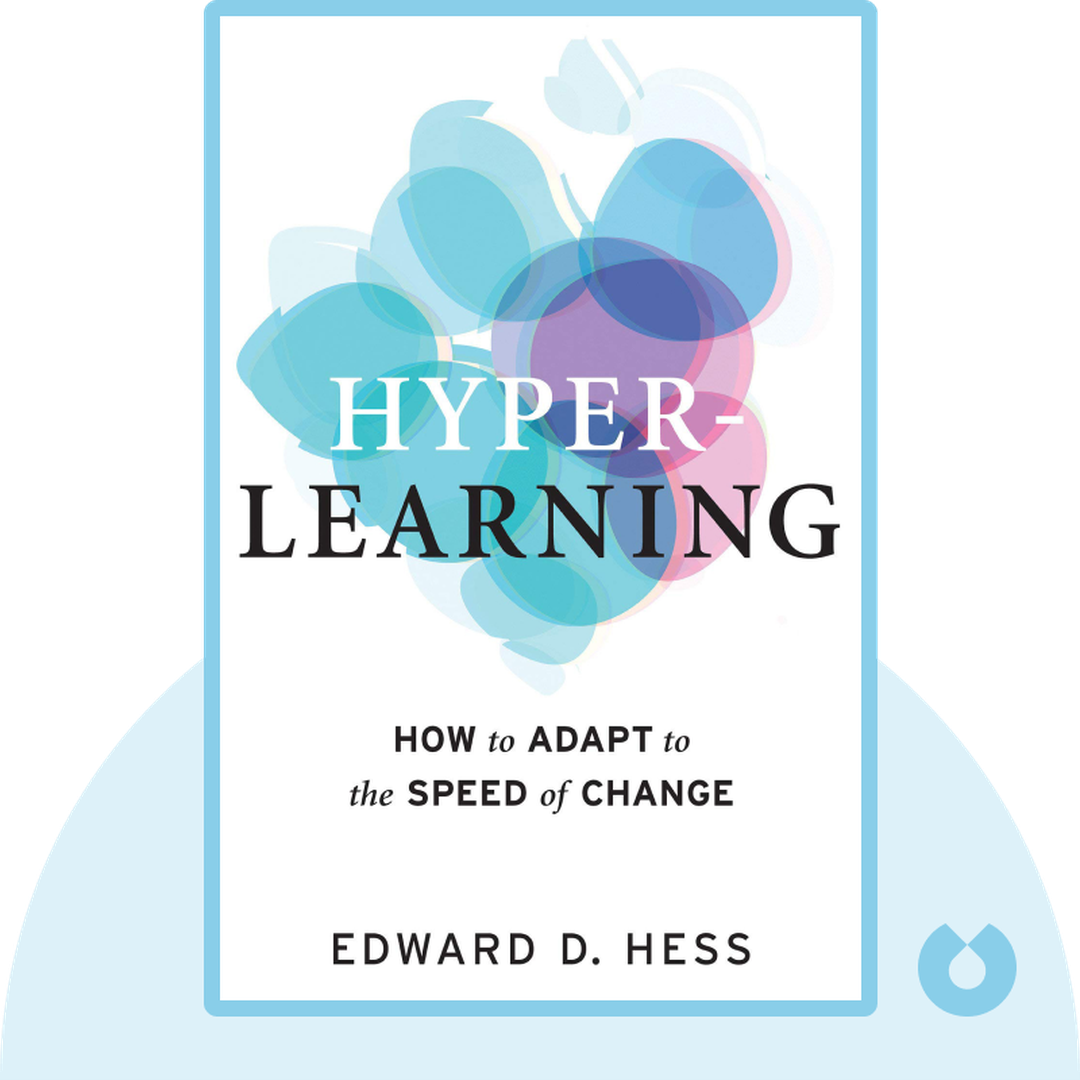
Hyper-Learning
Personal Foundation+
Core Mindsets+
Behavioral Adaptation+
Organizational Culture+
Historical Wisdom+
Quiz — Test Your Understanding
Question 1 of 8
What is the first essential step to becoming a hyper-learner, according to the author?
Question 2 of 8
How does mindfulness meditation specifically prepare an individual for hyper-learning?
Question 3 of 8
What are the two key mindsets integral to hyper-learning?
Question 4 of 8
Which of the following best describes the 'NewSmart' mindset?
Question 5 of 8
Why does the author suggest getting 'granular' about behavior?
Question 6 of 8
What key cultural shift did the insurance company W. R. Berkley implement to foster a hyper-learning environment?
Question 7 of 8
Which organizational concept refers to a workplace model where the best judgments win out, regardless of an employee's positional rank?
Question 8 of 8
According to leadership pioneer Warren Bennis, what is an essential step to true learning?
Hyper-Learning — Full Chapter Overview
- 1Recommendation
- 2To become a hyper-learner, start by quieting your ego.
- 3Mindfulness meditation prepares you for learning.
- 4Two key mindsets are essential to hyper-learning.
- 5Becoming a hyper-learner is about behavior.
- 6The story of W. R. Berkley shows how a company can make hyper-learning central.
- 7Future-ready organizations should embrace four key concepts.
- 8The core ideas of hyper-learning have guided many great thinkers, scientists, and leaders.
- 9Final summary
Hyper-Learning Summary & Overview
Hyper-Learning (2020) shows you how to adapt to a rapidly changing world in which technology threatens to make many skills redundant. By adopting a growth mindset, becoming less egotistical, and learning to collaborate, you’ll be ready to face the future.
Who Should Listen to Hyper-Learning?
- Those looking to optimize their learning skills
- Business leaders who want to harness innovation
- Anyone worried about a future of enormous disruption and change
Books Similar to Hyper-Learning
Readers who enjoyed this also liked these titles.