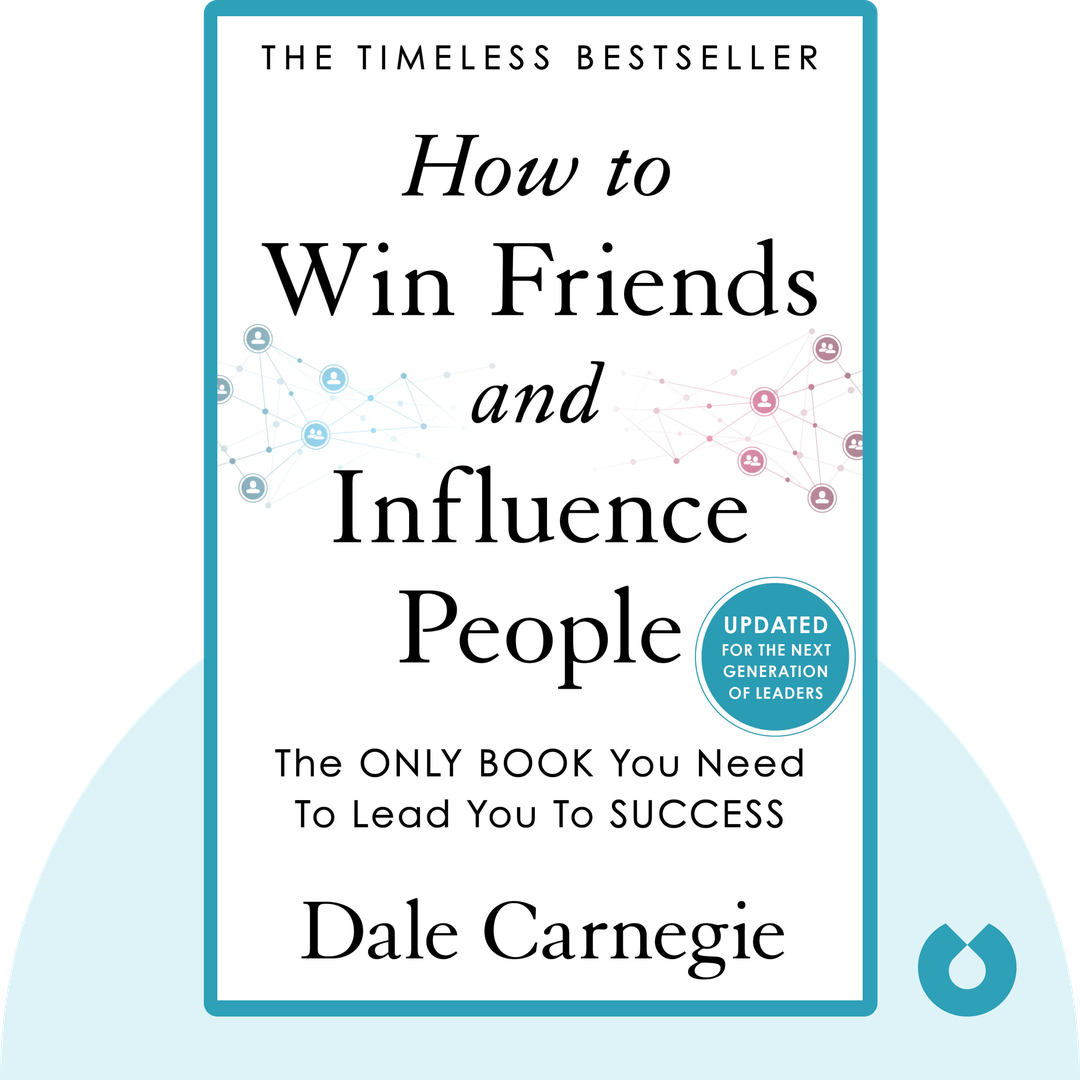
How to Win Friends and Influence People
Start ListeningDownload Try free on iPhoneScan to start in 5 seconds
Categories:
If You're Curious About These Questions...
You should listen to this audiobook
- What's the secret to making a great first impression that can change the course of a conversation?
- Have you ever wondered why some people are naturally more likable and influential than others?
- Can you really disagree with someone without making them defensive, and what's the surprising technique to do so?
Listen to How to Win Friends and Influence People — Cinematic Audio Edition
Loading player...
Key Takeaways from How to Win Friends and Influence People
- Discover why criticizing people only makes them defensive, and learn how using genuine praise instead can inspire them and dramatically improve your relationships.
- Learn the secret to effortlessly attracting friends by showing genuine interest in their lives rather than trying to make yourself seem interesting.
- Master the art of making people feel important by remembering their names and valuing their opinions to unlock unexpected personal and professional rewards.
- Find out why being an attentive listener and encouraging others to talk about themselves is the ultimate strategy for making a lasting positive impression.
- Understand why you can never truly win a heated argument, and discover how to avoid breeding resentment by disagreeing as gently as possible.
Learning Tools
Reinforce what you learned from How to Win Friends and Influence People
Mind Map
How to Win Friends and Influence People
Handling People Effectively+
Making People Like You+
Navigating Disagreements+
Influencing and Motivating+
Quiz — Test Your Understanding
Question 1 of 7
According to the book, why is criticizing people generally an ineffective strategy for encouraging change?
Question 2 of 7
What lesson about making friends does the book draw from the behavior of dogs?
Question 3 of 7
Based on the example of Abraham Lincoln, what do people often need more than an advisor?
Question 4 of 7
If an argument is unavoidable, what is the recommended 'trick' to disarm a stubborn opponent?
Question 5 of 7
What is the key to the 'Socratic' method of persuasion described in the book?
Question 6 of 7
How did Jay Mangum convince the hotel manager to agree to a long elevator shutdown?
Question 7 of 7
What is the effect of giving someone a 'stellar reputation to live up to'?
How to Win Friends and Influence People — Full Chapter Overview
- 1Recommendation
- 2Praise Works Better Than Criticism
- 3Make Everyone You Meet Feel Important and Interesting
- 4Encourage Others to Talk, and Listen Closely When They Do
- 5When You Can’t Avoid an Argument, Disagree as Gently as Possible
- 6Get Others Agreeing Early, Then Gently Guide Them to Your Conclusions
- 7Try to See Things from Other People’s Viewpoints
- 8Set High Expectations, and People Will Strive to Meet Them
- 9Final summary
How to Win Friends and Influence People Summary & Overview
How to Win Friends & Influence People (1936) provides a masterclass in managing and dealing with people. From making a good first impression to disagreeing effectively, it contains all you need to know about becoming skillful, pleasant, and assured in your personal and business dealings.
Who Should Listen to How to Win Friends and Influence People?
- Salespeople, managers, parents, teachers – anyone dealing with people
- Business leaders trying to boost their charisma
- Self-help enthusiasts interested in a genre-defining classic
Books Similar to How to Win Friends and Influence People
Readers who enjoyed this also liked these titles.