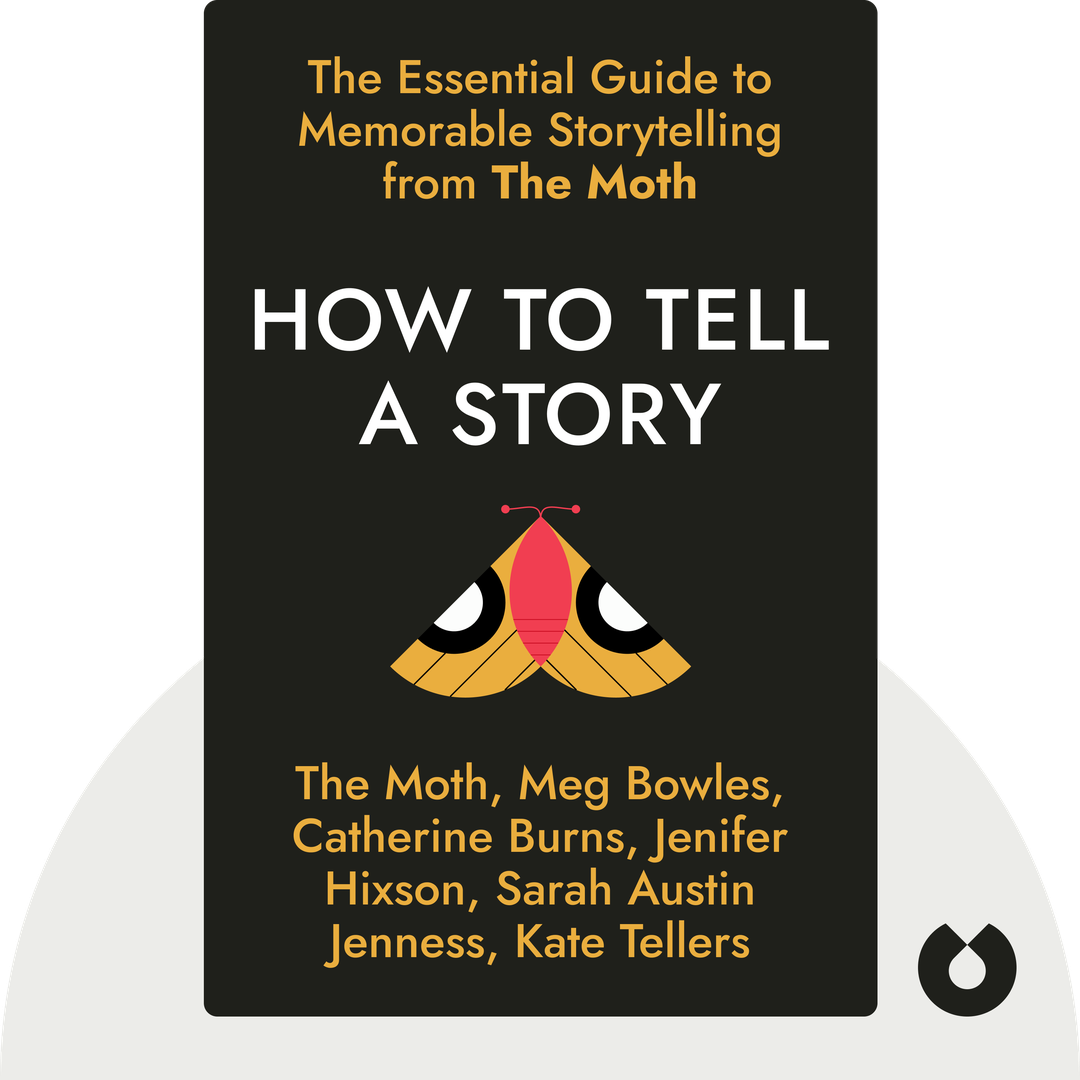
If You're Curious About These Questions...
You should listen to this audiobook
- What's the secret to transforming a simple personal anecdote into a high-stakes narrative that keeps listeners hanging on your every word?
- Have you ever wondered why some stories leave a lasting emotional impact while others are instantly forgotten?
- What if you could master the art of the perfect beginning and ending to captivate any audience, from a boardroom to a dinner party?
Listen to How to Tell a Story — Cinematic Audio Edition
Loading player...
Key Takeaways from How to Tell a Story
- Discover the fundamental rules for crafting an authentic personal narrative, which include telling true, first-person accounts out loud that feature clear stakes and a meaningful transformation.
- Learn how to mine your everyday memories for pivotal turning points that altered your life's trajectory, proving that every human experience contains a compelling tale.
- Master the technique of distilling your experience into a single guiding sentence that clearly defines the narrative's driving stakes and your personal arc of growth.
- Understand how to construct your storytelling journey using essential stepping stones composed of action-driven scenes, time-moving summaries, and insightful internal reflections.
- Find out how to captivate your audience by weaving vivid sensory details and crucial backstory into your narrative to add profound depth and emotional context.
Learning Tools
Reinforce what you learned from How to Tell a Story
Mind Map
How to Tell a Story
Core Philosophy+
The Moth Ground Rules+
Finding Your Story+
Building the Narrative+
Beginnings and Endings+
Stage Delivery+
Beyond the Stage+
Quiz — Test Your Understanding
Question 1 of 7
What is a fundamental rule for telling a story at a Moth event?
Question 2 of 7
According to the text, what role do 'stakes' play in a story?
Question 3 of 7
When constructing a narrative, what purpose do 'reflections' serve as stepping stones?
Question 4 of 7
How does the text describe the function of 'backstory' in storytelling?
Question 5 of 7
What is the recommended approach for crafting the ending of a personal story?
Question 6 of 7
Why does The Moth advise storytellers against writing down and memorizing their stories word-for-word?
Question 7 of 7
How can 'The Object Exercise' be used in a classroom setting to help young storytellers?
How to Tell a Story — Full Chapter Overview
- 1Recommendation
- 2Your Story to Tell
- 3Where Should You Start?
- 4Putting the Pieces Together
- 5How to Begin and End
- 6Sharing Empathy from the Stage
- 7Final summary
How to Tell a Story Summary & Overview
How to Tell a Story (2022) is a unique guidebook that unlocks the secrets to delivering narratives that captivate audiences and resonate with authenticity and emotion. From finding the perfect beginning and ending to mastering the art of delivery, it equips storytellers of all levels with the tools they need to leave a lasting impression.
Who Should Listen to How to Tell a Story?
- Anyone eager to become a better storyteller
- Writers looking for tips on creating compelling narratives
- Managers interested in unique team-building exercises
Books Similar to How to Tell a Story
Readers who enjoyed this also liked these titles.