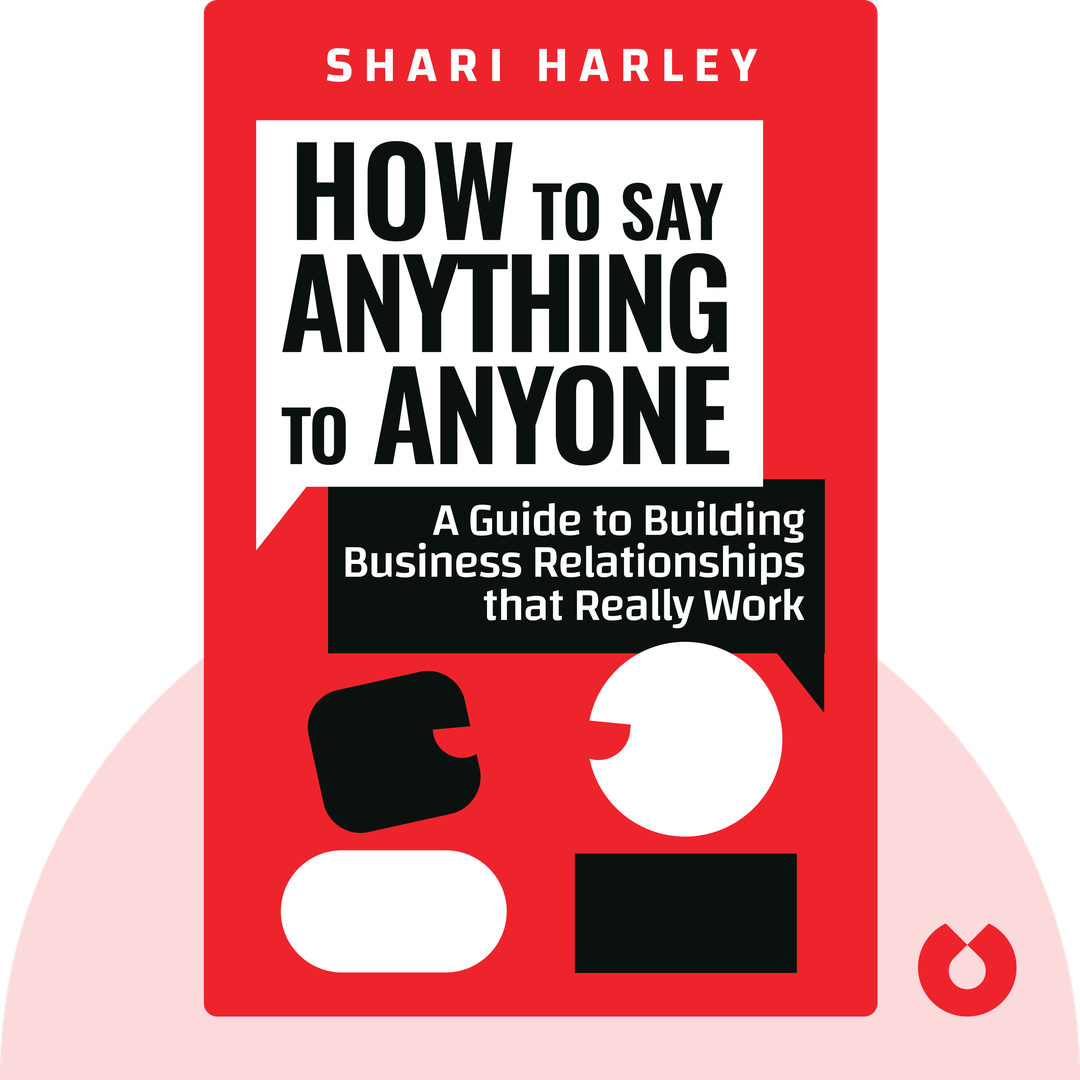
How to Say Anything to Anyone
Start ListeningDownload Try free on iPhoneScan to start in 5 seconds
Categories:
If You're Curious About These Questions...
You should listen to this audiobook
- Did you know that being "too nice" at work might actually be the biggest hurdle to your team’s success and your own career growth?
- What if you could eliminate the awkwardness of difficult conversations by setting a simple "communication contract" before problems even arise?
- What’s the secret to giving candid feedback that makes people feel supported rather than defensive?
Listen to How to Say Anything to Anyone — Free Audiobook
Loading player...
Key Takeaways from How to Say Anything to Anyone
- Discover why human beings naturally make negative assumptions in the absence of clear information, and how practicing candor gives you more control over your career.
- Learn how to proactively set expectations before a project begins by clearly defining goals, responsibilities, and communication frequency to prevent unnecessary conflicts.
- Find out how to establish a mutual agreement for giving and receiving feedback upfront, making it significantly easier to address workplace challenges when they eventually arise.
- Understand the importance of directly asking coworkers about their specific work habits and preferences face-to-face instead of guessing and risking long-term resentment.
- Master the fundamental rule of giving workplace feedback by ensuring your comments always serve a clear, singular purpose: to either change a specific behavior or maintain it.
Learning Tools
Reinforce what you learned from How to Say Anything to Anyone
Mind Map
How to Say Anything to Anyone
The Power of Candor+
Setting Expectations+
Ask, Don't Guess+
Rules of Feedback+
The Feedback Formula+
Quiz — Test Your Understanding
Question 1 of 7
According to Shari Harley, what do humans naturally do when they lack information about a situation?
Question 2 of 7
What is the recommended approach to handle potential workplace annoyances, such as someone texting during a meeting?
Question 3 of 7
When setting expectations for a new project or working relationship, which of the following is a crucial step mentioned in the text?
Question 4 of 7
Why does Harley recommend asking coworkers about their personal preferences, such as how they prefer to be contacted or when their birthday is?
Question 5 of 7
According to the text, what are the only two valid reasons for giving someone feedback?
Question 6 of 7
Why did the feedback telling a job candidate he was rejected for being 'arrogant' fail to be constructive?
Question 7 of 7
When giving negative feedback, what does Harley specifically advise against doing?
How to Say Anything to Anyone — Full Chapter Overview
- 1Recommendation
- 2Why candor matters
- 3How to set clear expectations
- 4Ask instead of guessing
- 5Giving feedback: how, when, and why
- 6A formula for feedback
- 7Final summary
How to Say Anything to Anyone Summary & Overview
How to Say Anything to Anyone (2013) suggests practical ways to improve communication in the workplace. For smooth, successful working relationships, a more candid approach can make all the difference.
Who Should Listen to How to Say Anything to Anyone?
- Managers trying to improve the workplace atmosphere
- People who struggle with giving feedback
- Anyone who wants to improve their communication skills
Books Similar to How to Say Anything to Anyone
Readers who enjoyed this also liked these titles.