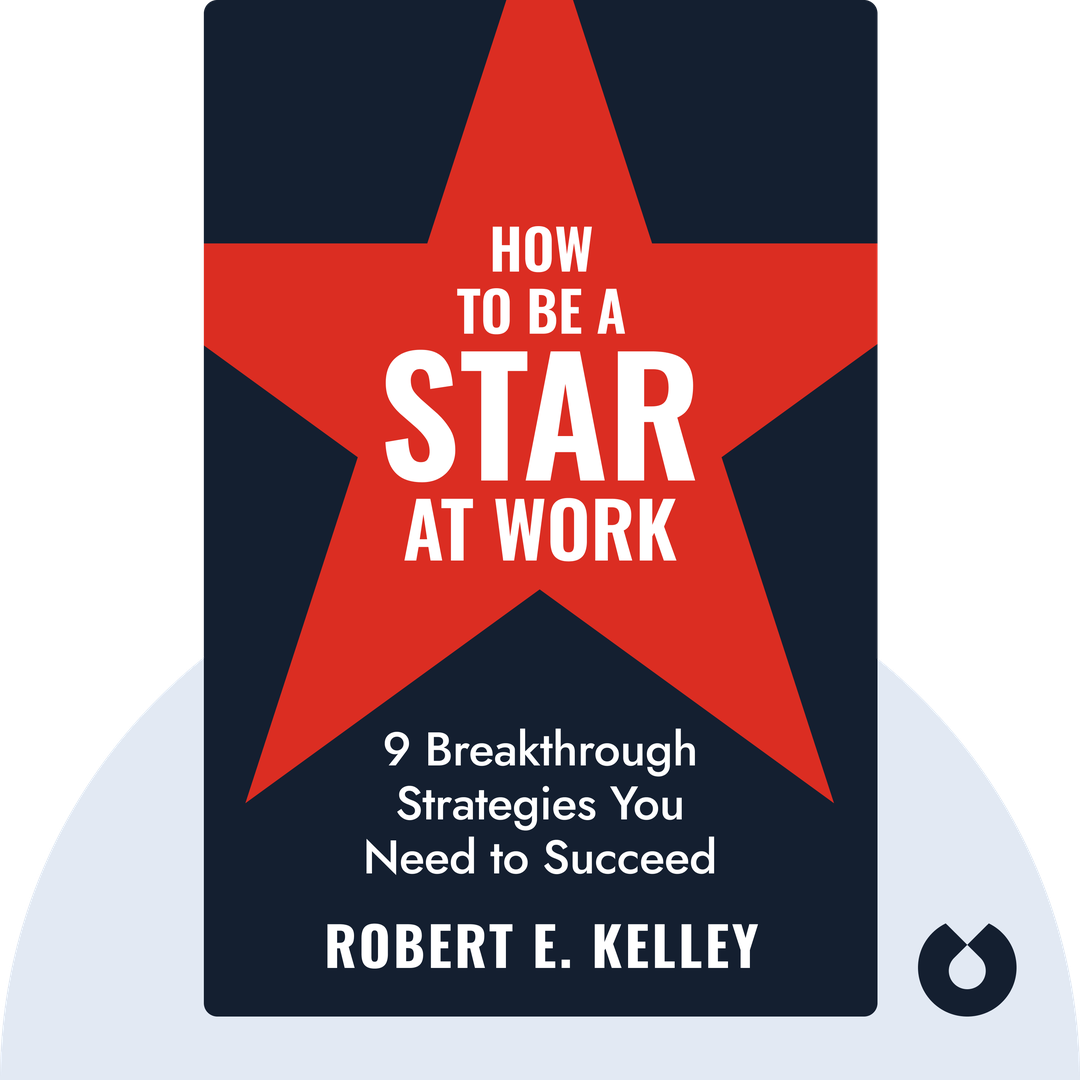
How to Be a Star at Work
Start ListeningDownload Try free on iPhoneScan to start in 5 seconds
Categories:
If You're Curious About These Questions...
You should listen to this audiobook
- Did you know that the gap between average employees and star performers isn’t about natural talent, but nine specific skills that anyone can master?
- Have you ever wondered why some professionals are consistently chosen for the best projects and promotions while others with the same experience get overlooked?
- What if you could increase your workplace productivity by up to 400% just by shifting how you approach your daily tasks?
Listen to How to Be a Star at Work — Cinematic Audio Edition
Loading player...
Key Takeaways from How to Be a Star at Work
- Discover why workplace success relies on specific, learnable work strategies rather than raw intelligence, and how adopting these behaviors can literally double your productivity.
- Learn how to take strategic initiative by excelling at your core duties while actively hunting for unowned projects that directly improve your company's bottom line.
- Master the art of building a highly responsive knowledge network by establishing your own expertise and treating information sharing as a cooperative barter system.
- Understand the importance of self-management by aligning tasks with your natural productivity rhythms, protecting your state of flow, and proactively seeking projects that fit your strengths.
- Find out how to step outside your professional bubble and spark innovative breakthroughs by viewing your work through the diverse perspectives of colleagues, customers, competitors, and leadership.
Learning Tools
Reinforce what you learned from How to Be a Star at Work
Mind Map
How to Be a Star at Work
Core Premise+
1. Taking Initiative+
2. Creating a Knowledge Network+
3. Managing Yourself+
4. Seeing Beyond Your Perspective+
5. Rethinking Followership+
6. Making Leadership Small+
7. Getting Teamwork Right+
8. Understanding Your Organization+
9. Presenting Your Work+
Quiz — Test Your Understanding
Question 1 of 10
What did researchers discover when comparing star performers to average employees?
Question 2 of 10
According to the book, what is the core definition of taking true initiative at work?
Question 3 of 10
How do star performers overcome the 'knowledge deficit' in today's economy?
Question 4 of 10
What is a crucial aspect of practical self-management for top performers?
Question 5 of 10
To see beyond their own perspective, star performers actively seek out viewpoints from five critical angles. Which of the following is one of those angles?
Question 6 of 10
What distinguishes a 'star follower' from a 'sheep follower'?
Question 7 of 10
Which of the following best describes 'small-l leadership'?
Question 8 of 10
How do star performers approach invitations to join workplace teams?
Question 9 of 10
When trying to understand organizational dynamics, what key insight do star performers recognize?
Question 10 of 10
What is the key difference between how average employees and star performers present their work?
How to Be a Star at Work — Full Chapter Overview
- 1Recommendation
- 2Taking initiative
- 3Building a knowledge network
- 4Managing yourself on the job
- 5Looking beyond your own perspective
- 6Reconsidering followership
- 7Making leadership small again
- 8Doing teamwork right
- 9Understanding your organization
- 10Presenting your work effectively
- 11Final summary
How to Be a Star at Work Summary & Overview
How to Be a Star at Work (1999) reveals nine research-backed strategies that transform ordinary employees into exceptional performers. These techniques enable you to raise your workplace productivity, visibility and value to a new level and become the top choice for premium opportunities. The secrets of workplace excellence aren’t about natural talent – they’re learnable skills that anyone can master to join the elite ranks of star performers.
Who Should Listen to How to Be a Star at Work?
- Mid-level professionals who want to stand out among their peers
- Managers and team leaders looking to understand what makes top performers excel
- Ambitious employees seeking actionable methods to increase their visibility and value
Books Similar to How to Be a Star at Work
Readers who enjoyed this also liked these titles.