If You're Curious About These Questions...
You should listen to this audiobook
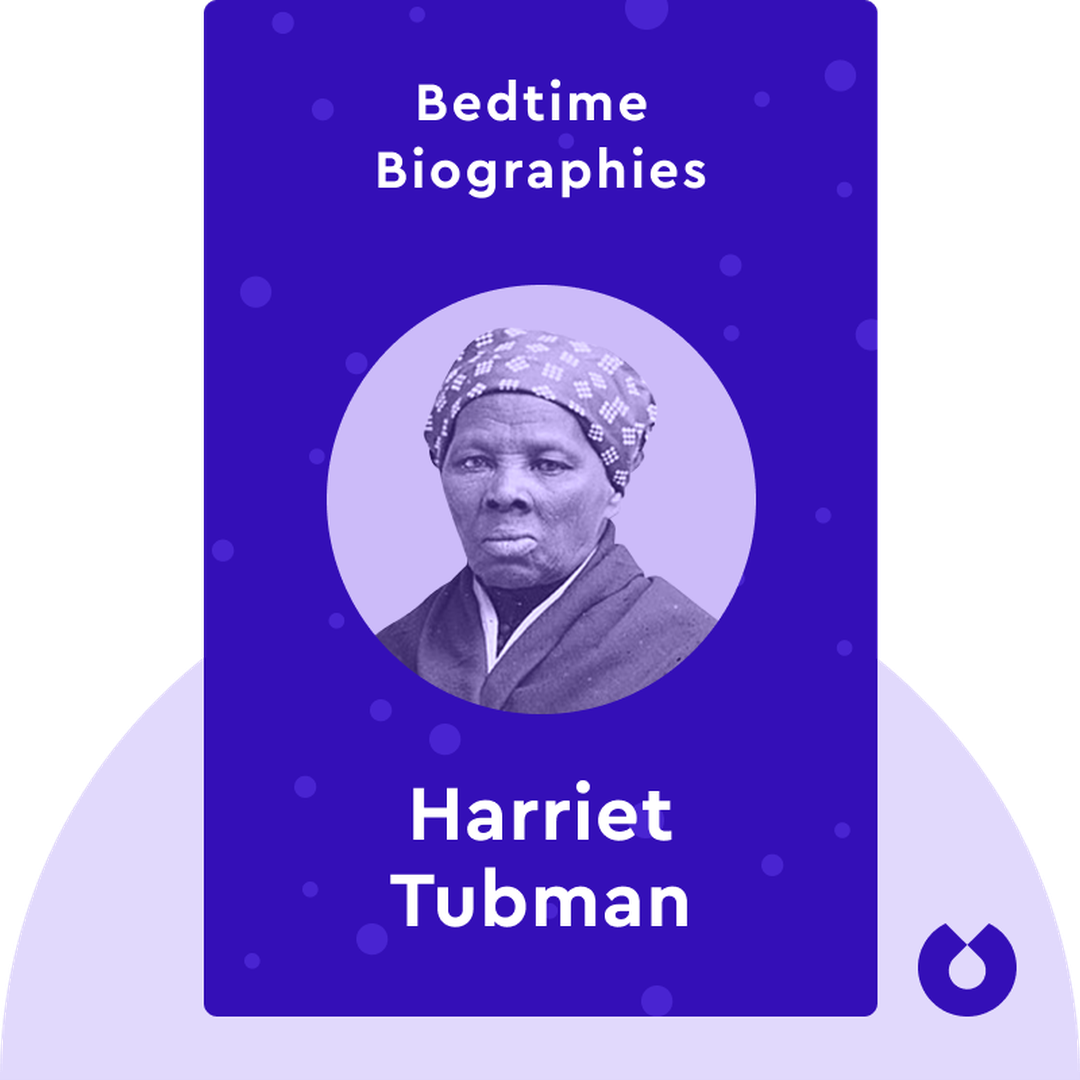
- Did you know that after risking everything to escape slavery, Harriet Tubman repeatedly returned to the South for a reason that went far beyond her own personal safety?
- Have you ever wondered how a self-liberated woman became one of the most effective spies and military scouts in the history of the American Civil War?
- What’s the secret to how Harriet Tubman transitioned from a legendary 'conductor' to a fierce advocate for women’s right to vote?
Listen to Harriet Tubman — Free Audiobook
Loading player...
Key Takeaways from Harriet Tubman
- Discover how Harriet Tubman, originally born Araminta Ross, navigated the tragic realities of an undocumented birth and the constant threat of family separation.
- Understand how Tubman transformed severe childhood abuse and a near-fatal head injury into incredible physical strength and lifelong resilience.
- Learn how Tubman drew upon her deep religious belief and her marriage to a free man to build the spiritual courage needed to defy slavery.
- Find out what finally pushed Tubman to flee in 1849, driven by the discovery of a betrayed legal document and the imminent threat of her family being sold.
- Explore the perilous reality of life after escape, where Tubman had to adopt a new identity to dodge kidnappers and the oppressive 1850 Fugitive Slave Law.
Learning Tools
Reinforce what you learned from Harriet Tubman
Mind Map
Harriet Tubman
Early Life & Slavery+
Catalyst for Escape+
The Underground Railroad+
Abolitionist Alliances+
Civil War Contributions+
Post-War Activism & Legacy+
Quiz — Test Your Understanding
Question 1 of 8
Why did Harriet Tubman prefer grueling agricultural fieldwork over domestic work during her youth?
Question 2 of 8
What lasting physical condition did Tubman suffer from as a result of a severe head injury sustained in her youth?
Question 3 of 8
What specific event in 1849 served as the immediate catalyst for Tubman's decision to escape from Maryland?
Question 4 of 8
Why did Tubman once point a loaded pistol at the head of a fugitive slave she was guiding?
Question 5 of 8
During the American Civil War, what unique and crucial role did Tubman play for the Union Army in South Carolina?
Question 6 of 8
How did abolitionist John Brown influence Harriet Tubman?
Question 7 of 8
Despite her extensive service to the Union Army and the Underground Railroad, what was Tubman's financial situation for much of her later life?
Question 8 of 8
In addition to abolitionism, what other major social cause did Harriet Tubman passionately advocate for in her later years?
Harriet Tubman — Full Chapter Overview
- 1Recommendation
- 2Harriet Tubman’s life is wrapped in mystery, but some facts remain certain.
- 3Tubman endured brutal conditions and traumatic experiences from a young age.
- 4Strengthened by religion and marriage, Tubman chose to flee slavery in 1849.
- 5After escaping, Tubman faced new opportunities and serious dangers.
- 6Tubman’s faith helped her overcome the loss of her husband and earn the nickname “Moses.”
- 7In the 1850s, Tubman told Boston audiences about her slave rescue missions.
- 8Harriet Tubman found a kindred spirit in John Brown, whose death renewed her determination.
- 9During the American Civil War, Tubman served in key roles, from spymaster to nurse.
- 10Tubman kept fighting, even when her charitable work exceeded her financial means.
- 11Final summary
Harriet Tubman Summary & Overview
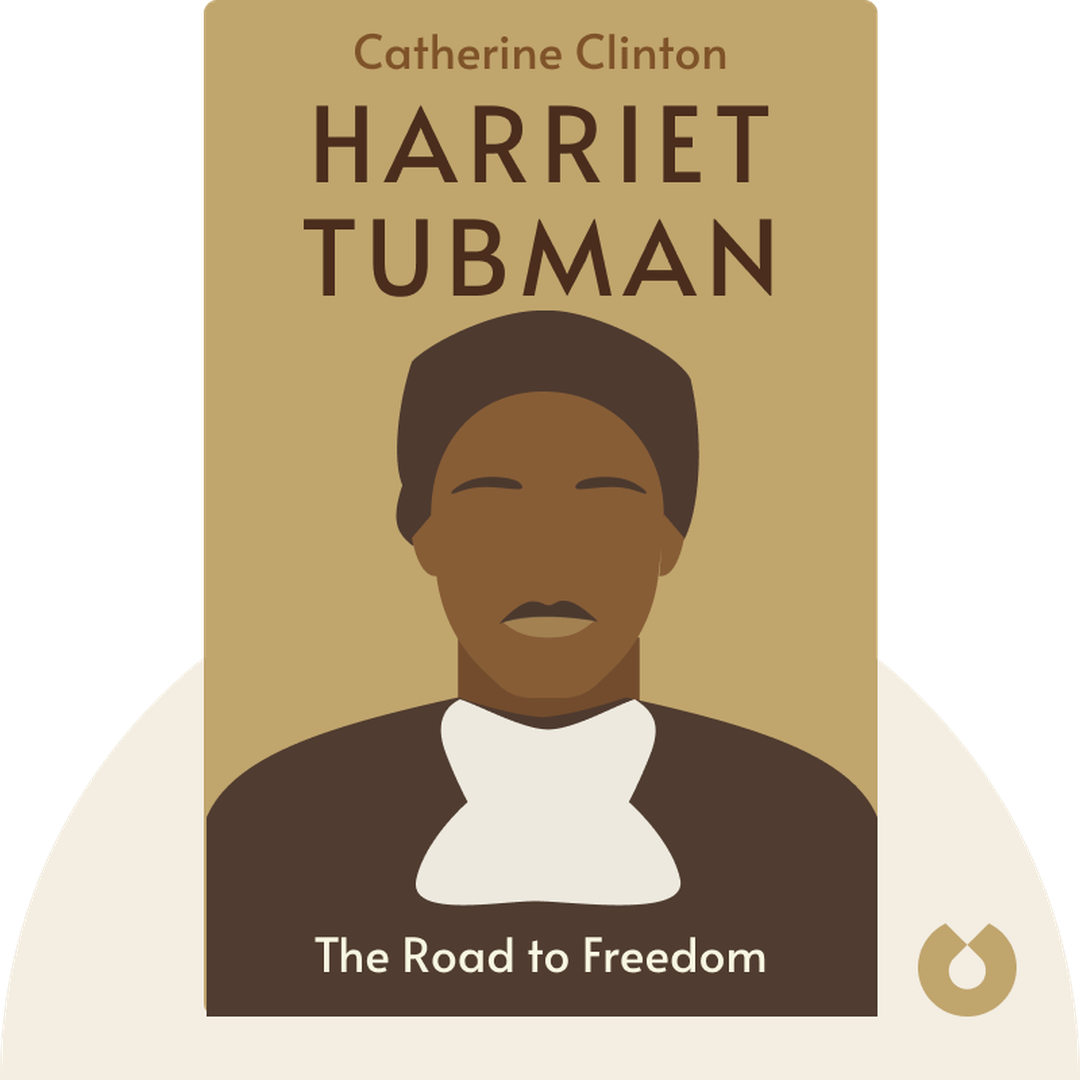
Harriet Tubman: The Road to Freedom (2004) sheds light on the fascinating life of Harriet Tubman, a pioneering woman who not only escaped the bonds of slavery, but also helped hundreds of others do the same. In addition, the book offers insights on the vital role she played in the American Civil War, and in the fight for equal rights for women and African-Americans.
Who Should Listen to Harriet Tubman?
- People of all ages seeking an inspirational story
- Amateur historians who love learning more about the Civil War era
- Activists and advocates for civil and women’s rights
Books Similar to Harriet Tubman
Readers who enjoyed this also liked these titles.