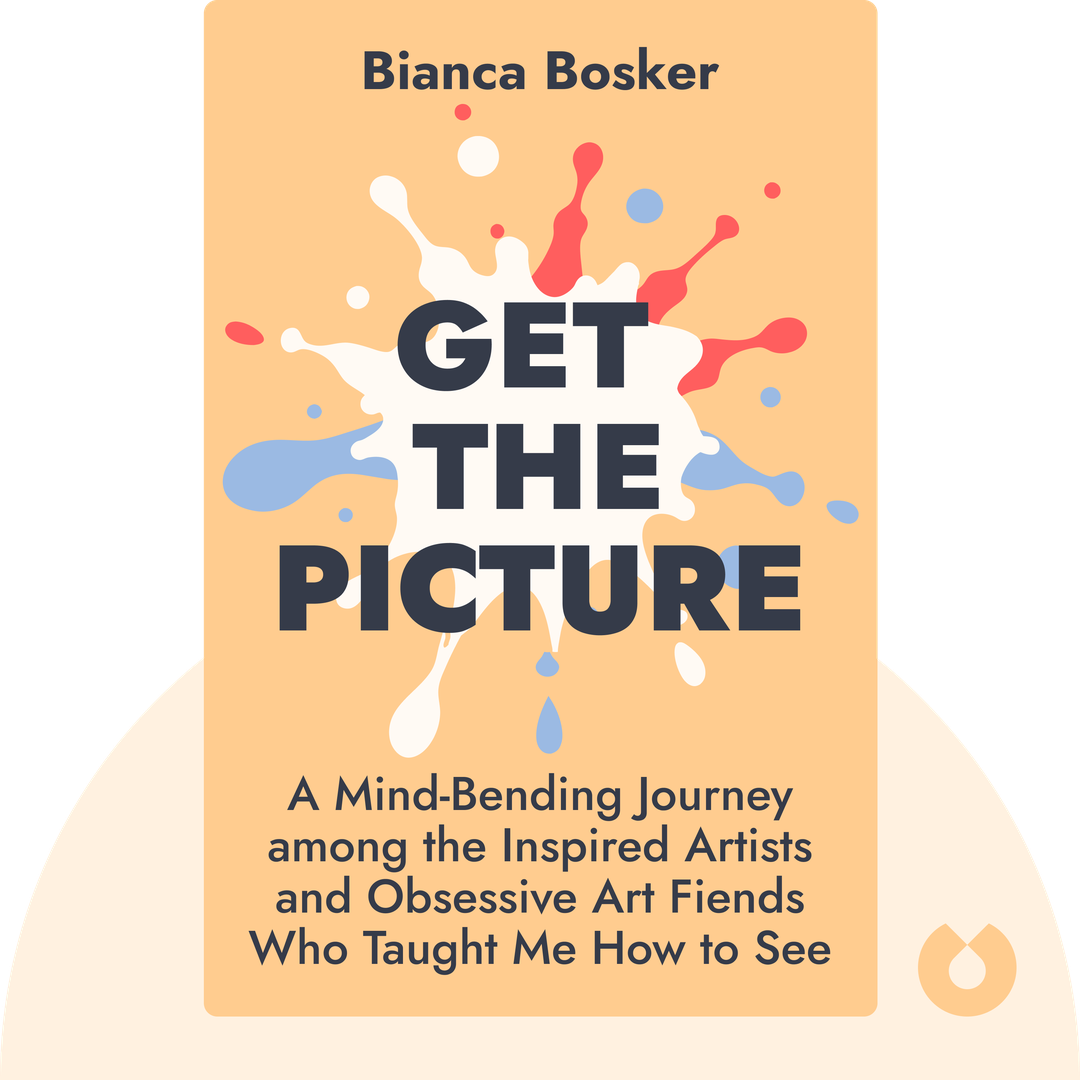
If You're Curious About These Questions...
You should listen to this audiobook
- What’s the secret to truly “getting” contemporary art, and why do some pieces command millions while others are dismissed as junk?
- Have you ever wondered what goes on behind the closed doors of the world’s most elite galleries and what really drives the obsessions of top collectors?
- What if you could bypass the pretension of the art scene and discover a more visceral, life-changing way to engage with the creativity all around you?
Listen to Get the Picture — Free Audiobook
Loading player...
Key Takeaways from Get the Picture
- Discover how the contemporary art world operates as an exclusive social club where unwritten rules of appearance, speech, and behavior dictate who truly belongs.
- Understand why art appreciation relies less on visual aesthetics and more on 'artspeak', a complex jargon designed as strategic snobbery to exclude novices.
- Learn why the perceived value of an artwork is heavily tied to its backstory, including the artist's social connections, education, and the prestige of previous exhibitions.
- Find out why elite galleries intentionally obscure their locations to keep out casual visitors and maintain an aura of extreme exclusivity.
- Discover the real motive behind high-end art sales, where galleries refuse to sell to average buyers and instead reserve pieces for influential collectors who can elevate the artist's status.
Learning Tools
Reinforce what you learned from Get the Picture
Mind Map
Get the Picture
The Art World's Exclusivity+
The Social Game of Art+
The Business of Selling Art+
The Artist's Plight+
Genuine Art Appreciation+
Quiz — Test Your Understanding
Question 1 of 6
According to the text, what primary function do the unspoken rules about appearance, speech, and behavior serve in the art world?
Question 2 of 6
How did the complex jargon known as 'artspeak' originate, according to Bianca Bosker's findings?
Question 3 of 6
Why do elite Manhattan contemporary art galleries often prefer their physical locations to remain obscure and difficult to find?
Question 4 of 6
What economic challenge, highlighted by the story of artist Julie Curtiss, often plagues successful contemporary artists?
Question 5 of 6
According to the book, why might an emerging artist in the contemporary art world actually fear rapid commercial success?
Question 6 of 6
What practical advice does Bosker offer to viewers who want to bypass art world snobbery and avoid 'museum fatigue'?
Get the Picture — Full Chapter Overview
- 1Recommendation
- 2The art world is exclusive and unfriendly to outsiders
- 3Appreciating art isn’t about aesthetics – it’s a social game
- 4Contemporary art revolves around sales, but some buyers matter more than others
- 5Many successful artists don’t make money from their work
- 6True art appreciation skips the snobbery and connects with the work itself
- 7Final summary
Get the Picture Summary & Overview
Get the Picture (2024) turns an investigative lens on the complex and often insular world of contemporary art along with its quirks and contradictions. It explores the obsessions that drive artists and collectors, sheds light on the personal and sometimes irrational reasons that art becomes meaningful, and unravels the motivations and passions of artists and collectors to uncover how deeper engagement with art can be achieved.
Who Should Listen to Get the Picture?
- Art enthusiasts curious about the inner workings of the art world
- Aspiring artists seeking insight into the contemporary art scene
- Fans of deep dives into niche cultural topics
Books Similar to Get the Picture
Readers who enjoyed this also liked these titles.