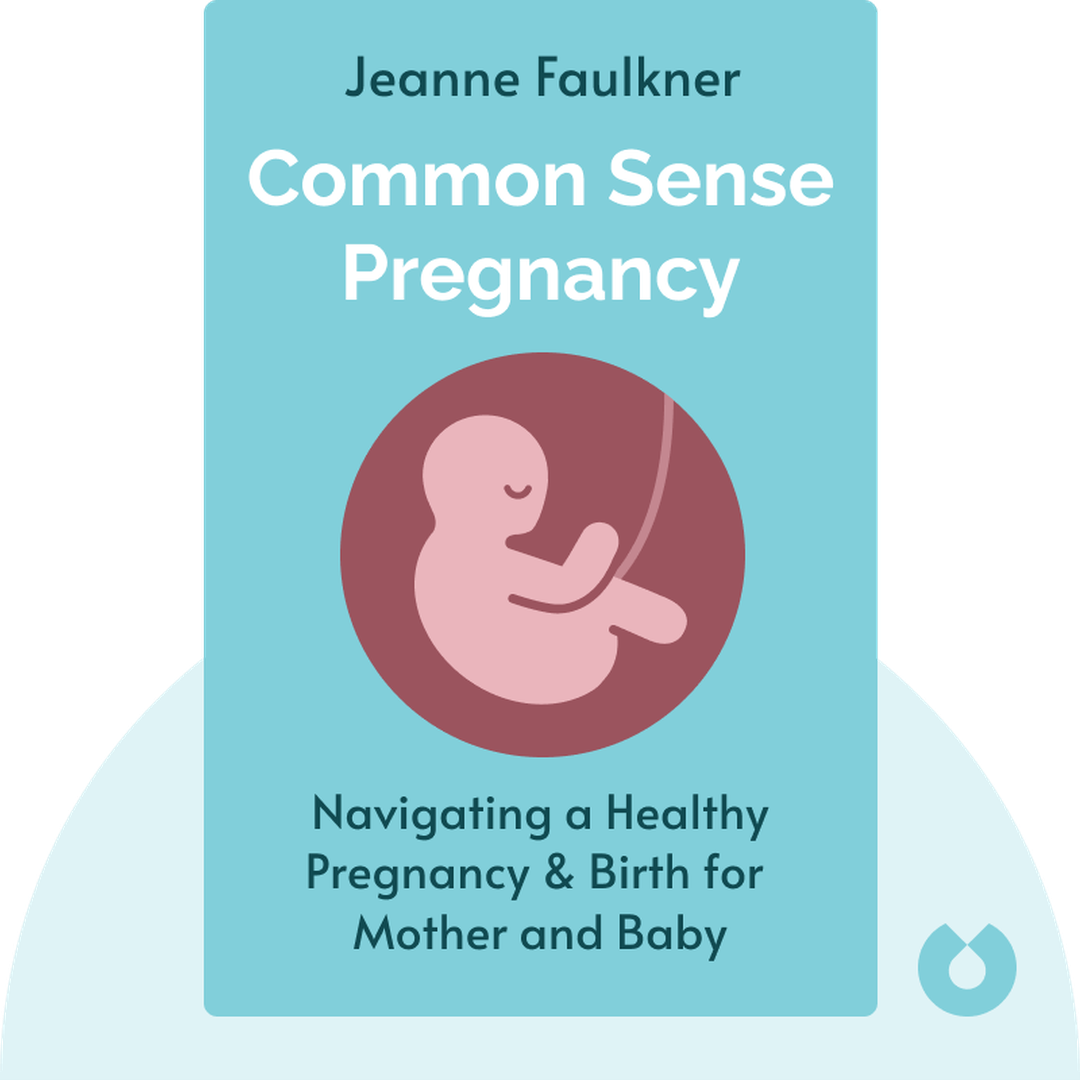
Common Sense Pregnancy
Start ListeningDownload Try free on iPhoneScan to start in 5 seconds
Categories:
If You're Curious About These Questions...
You should listen to this audiobook
- What if you could cut through the overwhelming noise of pregnancy advice and discover what truly matters for a healthy, stress-free journey?
- Are you curious about the unexpected surprises of pregnancy and childbirth that even the best-selling manuals often leave out?
- Have you ever wondered how to assemble the perfect support team to ensure your birth experience stays on your own terms?
Listen to Common Sense Pregnancy — Free Audiobook
Loading player...
Key Takeaways from Common Sense Pregnancy
- Understand why you shouldn't rush to the doctor immediately after getting pregnant, and learn to recognize the specific warning signs that actually require urgent care.
- Discover why a midwife is often a better, safer choice than an obstetrician for normal pregnancies, and find out how to carefully select a doula who will work harmoniously with hospital staff.
- Learn how to navigate modern pregnancy diets to prevent excessive weight gain by avoiding hidden hazards like high fructose corn syrup, soft cheeses, and unpasteurized beverages.
- Find out why routine medical checkups are essential for monitoring your amniotic fluid levels to prevent rare but serious complications like polyhydramnios.
- Master the crucial first weeks of your pregnancy by taking prenatal vitamins packed with folic acid and iron while patiently selecting an ideal healthcare provider you truly trust.
Learning Tools
Reinforce what you learned from Common Sense Pregnancy
Mind Map
Common Sense Pregnancy
Early Pregnancy Care+
Choosing Your Birth Team+
Diet and Nutrition+
Monitoring Amniotic Fluid+
Labor and Delivery+
Postpartum Recovery+
Quiz — Test Your Understanding
Question 1 of 7
Why shouldn't a woman be concerned if her first prenatal doctor's appointment is scheduled six to eight weeks after finding out she is pregnant?
Question 2 of 7
According to the book, why might a midwife be a better choice than an obstetrician for a normal pregnancy?
Question 3 of 7
What is a primary reason pregnant women today need to be stricter about their diets compared to 50 years ago?
Question 4 of 7
What is a potential danger of oligohydramnios (having too little amniotic fluid) in the later stages of pregnancy?
Question 5 of 7
Under what circumstances does the book suggest that artificially inducing labor is appropriate?
Question 6 of 7
How can a pregnant woman differentiate between pre-labor contractions and actual labor?
Question 7 of 7
Which of the following is recommended by the book to help soothe soreness following a traditional vaginal birth?
Common Sense Pregnancy — Full Chapter Overview
- 1Recommendation
- 2You don't need to see a doctor immediately after becoming pregnant, unless problems arise.
- 3Midwives and doulas can provide valuable support, but choose carefully.
- 4Because diets were healthier in the past, pregnant women today need to be strict about what they eat.
- 5Monitoring amniotic fluid levels is an important reason for pregnancy checkups.
- 6Labor induction is common, but it should only be used in emergencies.
- 7It’s important to understand the difference between pre-labor and actual labor.
- 8Breathing techniques are essential for managing labor pain, and baths and compresses can also help.
- 9Don’t expect pain and complications to disappear after childbirth.
- 10Final summary
Common Sense Pregnancy Summary & Overview
Common Sense Pregnancy (2015) reveals all you need to know about the surprises that await you during the magical experience of pregnancy and childbirth. There are many things to consider, including what to eat, who to call for help and what kind of childbirth you want to have. So empower yourself with knowledge and get a good idea of what to expect.
Who Should Listen to Common Sense Pregnancy?
- Pregnant women
- Health care providers
- Readers curious about pregnancy and childbirth
Books Similar to Common Sense Pregnancy
Readers who enjoyed this also liked these titles.