If You're Curious About These Questions...
You should listen to this audiobook
- What was the critical mistake that triggered the catastrophic explosion at Chernobyl, and how could it have been prevented?
- Are you curious about the secrets hidden in the Soviet archives that finally came to light, revealing the true story of the disaster?
- What if you could uncover the shocking truth about the human cost of the Chernobyl meltdown, and how it changed the course of history?
Listen to Chernobyl — Free Audiobook
Loading player...
Key Takeaways from Chernobyl
- Understand why historians attribute the true cause of the Chornobyl disaster not just to technological failure, but to the broken, secretive political system of the Soviet Union.
- Discover how political pressure to compete in the global nuclear arms race forced plant directors to accept dangerously ambitious production plans.
- Learn why prioritizing rapid construction deadlines over basic safety requirements resulted in ignored hardware defects and doomed the reactor.
- Find out how a cascade of preventable human errors, from delayed schedules to ignored emergency signals during a low-power test, triggered the fatal explosion.
- Recognize the terrifying scale of the catastrophe, which released the radiation of 500 Hiroshima bombs, and grasp why learning from these historical mistakes remains vital today.
Learning Tools
Reinforce what you learned from Chernobyl
Mind Map
Chernobyl
Context & Setup+
The Disaster+
Initial Response & Denial+
Containment & Cleanup+
Human & Environmental Cost+
Political Fallout+
Quiz — Test Your Understanding
Question 1 of 8
What was the primary purpose of the safety test being conducted at Unit 4 just before the explosion?
Question 2 of 8
What fatal design flaw in the Soviet-made RBMK reactors directly contributed to the massive explosion when the AZ-5 emergency button was pressed?
Question 3 of 8
Despite their safety flaws, why did Soviet authorities choose to develop and use RBMK reactors instead of safer Western alternatives?
Question 4 of 8
How did plant director Viktor Bryukhanov contribute to the atmosphere of denial in the immediate aftermath of the explosion?
Question 5 of 8
Why did a team of 380 miners dig a new chamber directly beneath the burning reactor?
Question 6 of 8
During the cleanup operation, who or what were the 'biorobots'?
Question 7 of 8
What was the tragic fate of Valery Legasov, the chief scientific advisor to the government commission?
Question 8 of 8
According to Mikhail Gorbachev and the book's author, what was a major political consequence of the Chernobyl disaster?
Chernobyl — Full Chapter Overview
- 1Recommendation
- 2Just before the explosion, Chernobyl staff were carrying out a safety test.
- 3Mismanagement and incompetence pushed Unit 4’s reactor toward catastrophe.
- 4Soviet-built RBMK reactors had a fatal design flaw.
- 5Ignorance and denial shaped the first hours after the explosion.
- 6After grasping the scale of the disaster, officials and scientists focused on limiting the damage.
- 7With further danger averted, the Soviet government launched a massive cleanup operation.
- 8Chernobyl’s social and environmental costs were enormous.
- 9The Chernobyl disaster helped bring down the Soviet system.
- 10Final summary
Chernobyl Summary & Overview
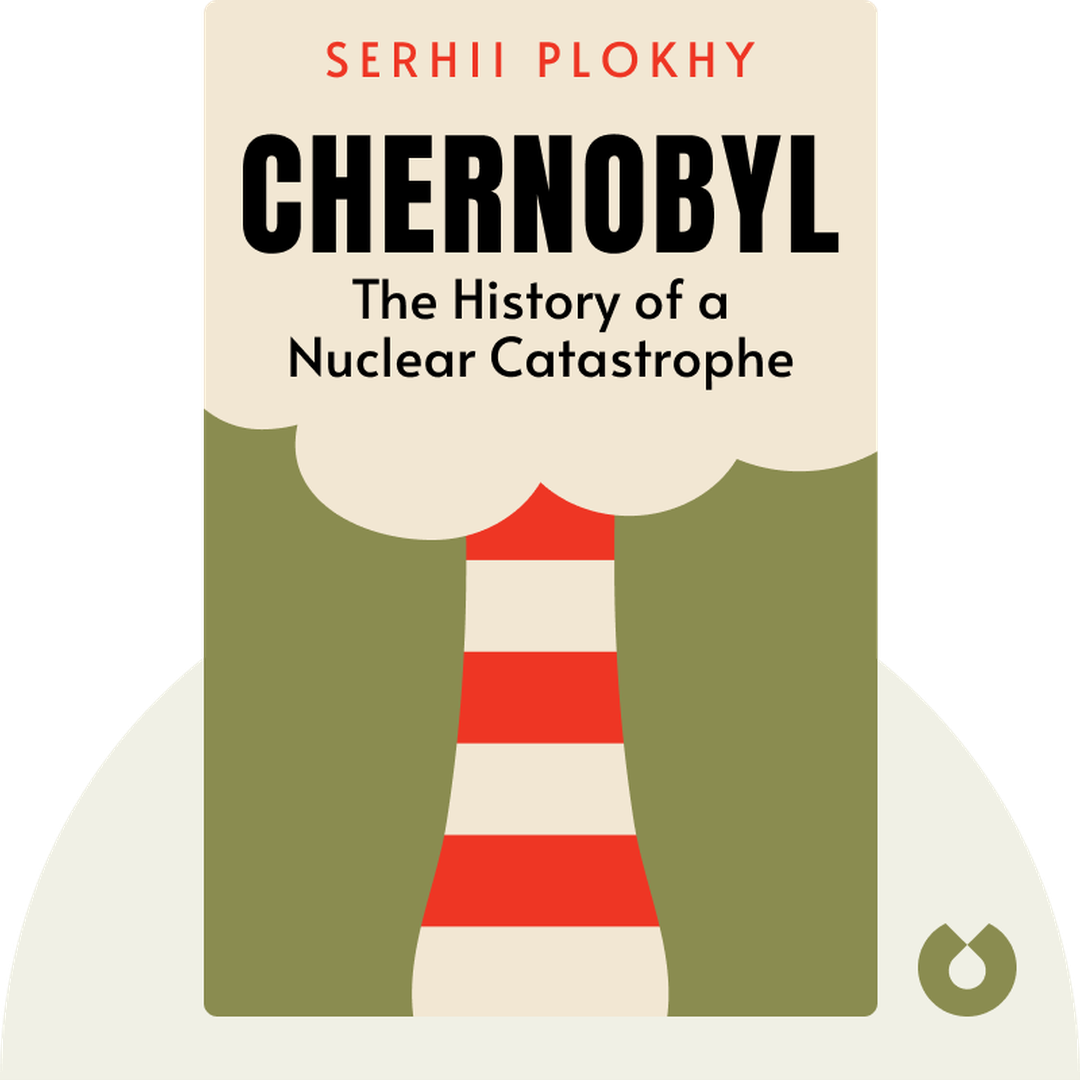
Chernobyl (2018) documents the 1986 nuclear meltdown that shook the Soviet Union. It is an insightful and meticulously researched work of history, drawing from newly opened archives to shed fresh light on the disaster. Piecing together the entire episode, Plokhy takes us from the fateful minutes before the disaster to the cleanup operation and, finally, the disintegration of the USSR.
Who Should Listen to Chernobyl?
- Fans of the HBO miniseries who want to dig deeper
- Those born after the disaster, trying to make sense of its consequences
- Nuclear power plant operators
Books Similar to Chernobyl
Readers who enjoyed this also liked these titles.