If You're Curious About These Questions...
You should listen to this audiobook
- Did you know that the same cats we pamper today were once the subjects of terrifying superstitious misunderstandings that put their very existence at risk?
- Have you ever wondered how a solitary wild predator managed to charm its way into our homes and become a universal symbol of domestic comfort?
- Are you curious about the secret history of how cats have been perceived—from divine beings to omens of evil—and what that says about human nature?
Listen to Cat — Free Audiobook
Loading player...
Key Takeaways from Cat
- Discover the 30-million-year evolutionary journey of cats, from tree-dwelling prehistoric felines to the cherished household pets embraced by eighteenth-century Europe.
- Learn how specialized features like swiveling ears, night-vision pupils, and spine-clamping teeth make your feline friend a deadly, supernatural-seeming predator.
- Understand why the independent and nocturnal nature of cats led superstitious humans in the Middle Ages to brutally persecute them as shape-shifting agents of witchcraft.
- Explore the historical link between felines and femininity, tracing how the grace and softness of cats inspired associations with female sexuality dating back to ancient Egypt.
- Find out how the human-feline dynamic shifted from a practical pest-control arrangement to the deeply affectionate bond first documented in ancient Egyptian tombs.
Learning Tools
Reinforce what you learned from Cat
Mind Map
Cat
Evolution & Domestication+
Anatomy of a Hunter+
Mythology & Persecution+
Symbolism of Sexuality+
Modern Status+
Quiz — Test Your Understanding
Question 1 of 5
According to the text, when did widespread domestication of cats as cherished pets finally take place in Europe?
Question 2 of 5
How do a cat's canine teeth specifically aid them as superior hunters?
Question 3 of 5
What specific behavioral traits contributed to cats being branded as agents of witchcraft from the Middle Ages onward?
Question 4 of 5
Why were female prostitutes historically referred to as 'cats' starting in the 1400s?
Question 5 of 5
How has the modern perception of a cat's independence and self-reliance changed compared to historical views?
Cat — Full Chapter Overview
- 1Recommendation
- 2Cats evolved over millions of years, while domestication happened only a few thousand years ago.
- 3With sharp teeth and keen senses, cats are exceptional hunters.
- 4Throughout history, people believed cats were mischievous and even linked to witchcraft.
- 5Cats have been viewed as symbols of female sexuality and prostitution.
- 6Today, we see cats as individuals and celebrate their independence and intelligence.
- 7Final summary
Cat Summary & Overview
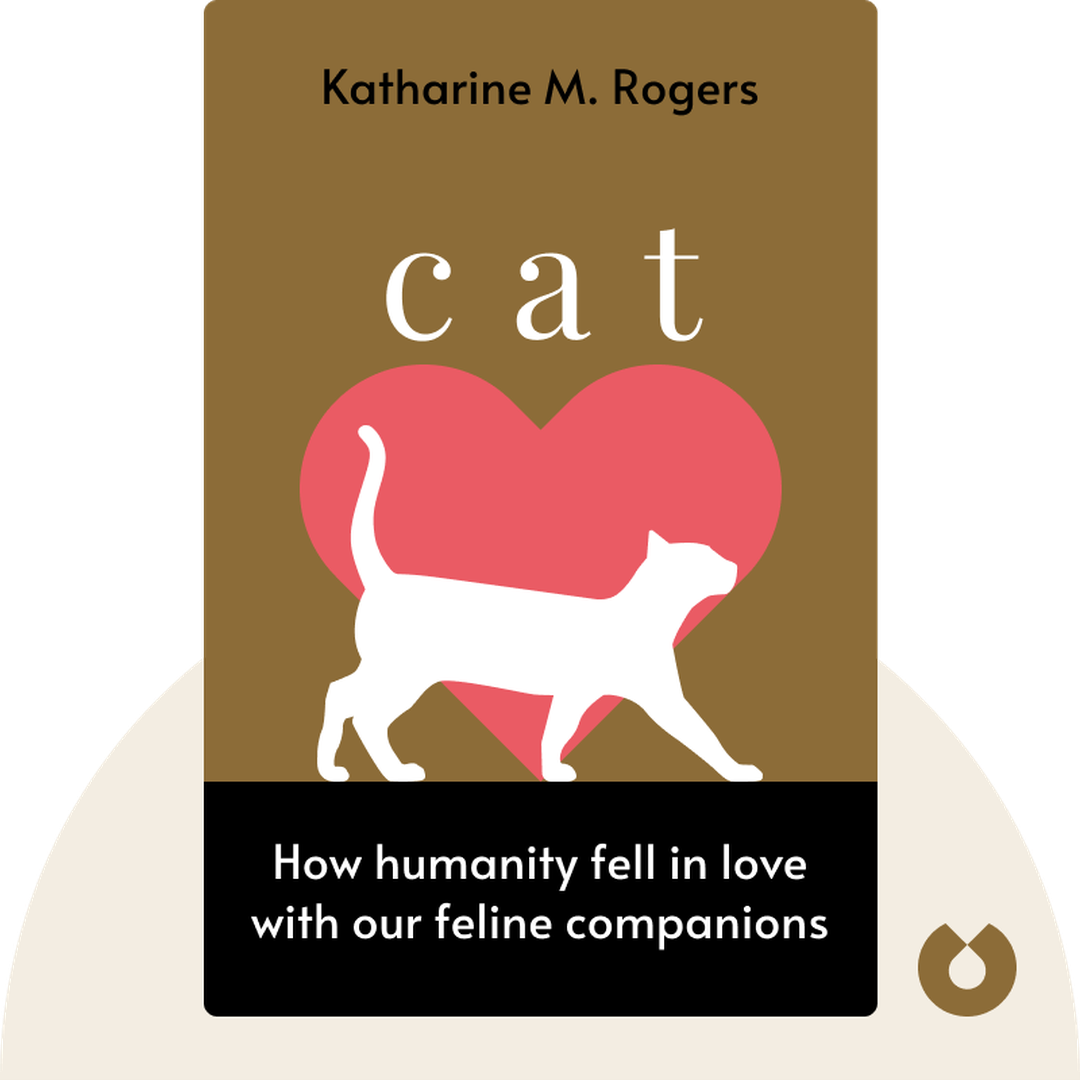
Cat (2006) offers a lovingly detailed look at the biological, historical and cultural history of our furry feline friends. Each blink looks at a different stage of development, chronicling how the relationship between humans and cats has evolved from horrific superstitious misunderstandings to domesticated bliss. Meow!
Who Should Listen to Cat?
- Cat lovers
- Those curious about the symbolic meaning of cats
- Readers interested in cultural history
Books Similar to Cat
Readers who enjoyed this also liked these titles.