If You're Curious About These Questions...
You should listen to this audiobook
- Did you know that some of history’s most infamous regimes actually studied American laws to help build their own systems of exclusion?
- Have you ever wondered why social inequalities often feel so deeply rooted, even when a society believes it has moved past them?
- What if you could learn to spot the invisible 'grammar' that quietly shapes how we value ourselves and the people around us?
Listen to Caste — Cinematic Audio Edition
Loading player...
Key Takeaways from Caste
- Understand how naming the invisible hierarchy beneath social issues gives you the freedom to respond to modern conflicts with clarity and courage.
- Discover why history is never truly in the past, and how understanding older social orders explains why moral progress often triggers fierce resistance.
- Learn how caste functions as a hidden social 'grammar' that silently dictates who receives power, respect, and resources in society.
- Explore the startling global parallels of systemic oppression, revealing how American racial laws historically influenced both civil rights resistance in India and Nazi purity legislation.
- Recognize why changing formal laws is necessary but insufficient, and prepare to uncover the eight core pillars that keep social hierarchies firmly in place.
Learning Tools
Reinforce what you learned from Caste
Mind Map
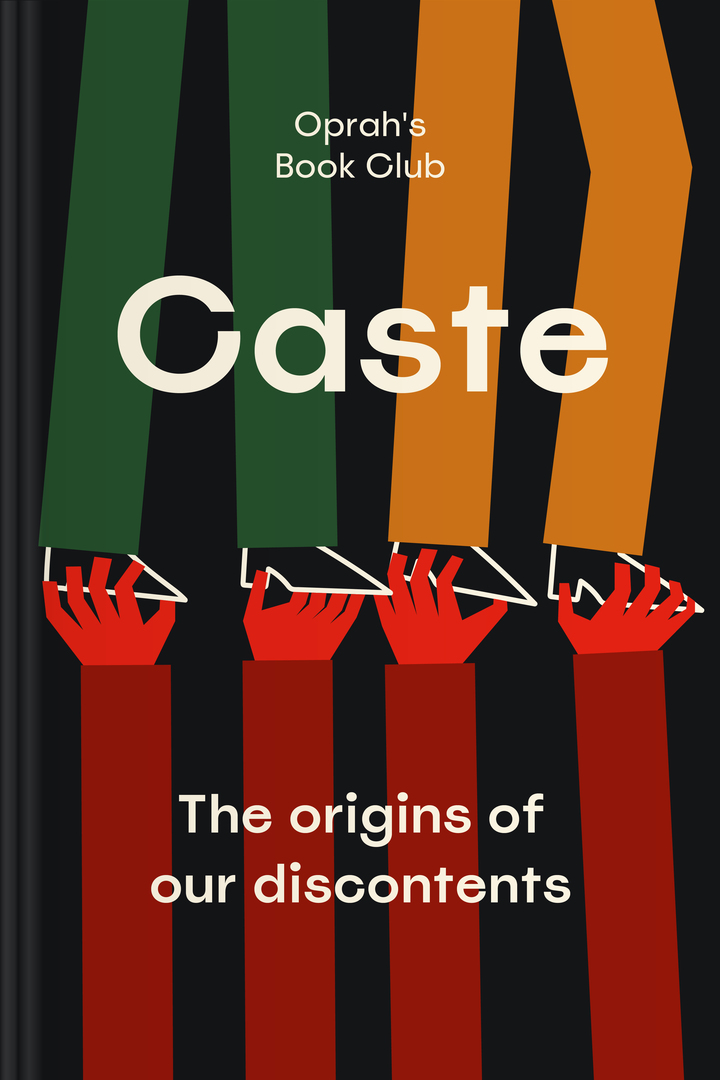
Caste
The Concept of Caste+
The Eight Pillars of Caste+
Maintenance & Resistance+
Historical Comparisons+
Dismantling the System+
Quiz — Test Your Understanding
Question 1 of 9
What metaphor does the author use to describe America's persisting structural problems?
Question 2 of 9
According to the text, what is a primary distinction between 'class' and 'caste'?
Question 3 of 9
How does the book describe the origin of the racial category 'Caucasian'?
Question 4 of 9
What unique innovation did American colonists introduce to the 'Heritability' pillar of their caste system?
Question 5 of 9
The story of Al Bright, the young Black boy on a championship little league team, is used to illustrate which pillar of the caste system?
Question 6 of 9
What surprising historical connection does the author reveal between Nazi Germany and the United States?
Question 7 of 9
According to social theorist Erich Fromm, what is a consequence of 'group narcissism' within a caste system?
Question 8 of 9
How does the text contrast modern Germany's approach to its dark history with that of the United States?
Question 9 of 9
In the author's personal anecdote about the plumber, how were the unspoken rules of caste ultimately broken during their interaction?
Caste — Full Chapter Overview
- 1Recommendation
- 2The longer structural issues persist, the harder they are to fix.
- 3Viewing caste alongside race and slavery helps explain the depth of America’s unrest.
- 4America’s caste system has proven resistant to change.
- 5A caste system depends on a set of foundational pillars.
- 6The pillars of caste include an obsession with pollution and the process of dehumanization.
- 7The final pillars include terror and assumed inferiority.
- 8In the second half of the twentieth century, people in castes above African-Americans began feeling threatened by social change.
- 9Monuments and memorials can reinforce or dismantle the caste.
- 10We can support those who break through barriers and chip away at the pillars.
- 11Final summary
Caste Summary & Overview
This audio narration looks at the idea of caste as a hidden social structure—an underlying “grammar” that quietly assigns value, power, and limits to groups of people, even when a society insists it has moved beyond such divisions.
Moving chapter by chapter, it connects American history to patterns also seen in India and even studied by Nazi Germany, showing how inherited status, separation, dehumanization, and fear can persist long after laws change. Along the way, it offers gentle, practical ways to notice bias, interrupt stereotypes, and build more human connection.
Who Should Listen to Caste?
- Listeners who want a clearer, historical lens for understanding race, inequality, and polarization in the United States.
- Anyone looking for a calm, supportive guide to recognizing unconscious bias and its effects—without shame, and with hope.
- Educators, parents, and community members who want language and examples to discuss inclusion, dignity, and social responsibility.
Books Similar to Caste
Readers who enjoyed this also liked these titles.