If You're Curious About These Questions...
You should listen to this audiobook
- Have you ever wondered why so many young men feel pressured to perform a version of masculinity that actually hinders their own pleasure and emotional connection?
- Did you know that the way young men talk about sex in public is often a complete contradiction to how they feel about it in private?
- What’s the secret to helping the next generation of men navigate the confusing intersection of porn, consent, and genuine intimacy?
Listen to Boys & Sex — Free Audiobook
Loading player...
Key Takeaways from Boys & Sex
- Understand how societal pressures to embody the 'strong, silent' male stereotype severely limit a boy's emotional expression, leading to increased risks of depression and aggressive behavior.
- Discover why early and easy access to hardcore online pornography warps teenage boys' sexual expectations, causing performance anxiety and struggles with real-life arousal.
- Learn how the disturbing trend of consuming coercive or 'unwilling' pornography is dangerously distorting young men's perceptions of consent and healthy sexual relationships.
- Explore the hidden costs of modern hookup culture, which demands 'compulsory carelessness' and forces boys to suppress emotional intimacy to avoid peer ridicule.
- Recognize the urgent need for parents and educators to break the silence and speak frankly with adolescent boys about online porn, emotional vulnerability, and real-life sex.
Learning Tools
Reinforce what you learned from Boys & Sex
Mind Map
Boys & Sex
Toxic Masculinity & Emotion+
Pornography's Impact+
Hookup Culture+
Consent & Coercion+
LGBTQI+ & Racial Experiences+
Male Sexual Vulnerability+
Parenting & Education+
Quiz — Test Your Understanding
Question 1 of 9
When Peggy Orenstein asked teenage boys to describe the 'ideal woman,' how did their responses contrast with their descriptions of the 'ideal man'?
Question 2 of 9
According to the text, what is 'emodiversity' and how does a lack of it affect young men?
Question 3 of 9
How has easy access to explicit online pornography primarily affected the real-life (IRL) sexual encounters of the boys interviewed?
Question 4 of 9
Sociologist Lisa Wade uses the term 'compulsory carelessness' to describe what aspect of college hookup culture?
Question 5 of 9
Why do many gay adolescent boys in rural or conservative communities turn to hookup apps like Grindr, despite the inherent risks?
Question 6 of 9
How did the college-aged black boys interviewed by Orenstein feel about the stereotypical qualities (like confidence and athleticism) ascribed to them by their white peers?
Question 7 of 9
According to sociologist Nicole Bedera's 2015 survey on adolescent boys and consent, what was a major finding?
Question 8 of 9
How does toxic masculinity typically influence the way society and peers react to adolescent boys who are victims of sexual assault by females?
Question 9 of 9
What actionable advice does the author give to parents and educators regarding teenage boys and masturbation?
Boys & Sex — Full Chapter Overview
- 1Recommendation
- 2Society still celebrates a stereotypical version of masculinity, and it is harming male health.
- 3Early exposure to pornography shapes boys’ ideas of pleasure, arousal, and sexual self-esteem.
- 4Hookup culture leaves little room for emotional intimacy.
- 5For gay, queer, and trans boys, sexual exploration and expression remain fraught — and that needs to change.
- 6A double standard exists around the sexual conduct of white boys and Black boys.
- 7Many adolescent boys aren’t properly obtaining sexual consent.
- 8Boys can be sexually vulnerable as well.
- 9Parents and educators need to speak openly and regularly with boys about sex.
- 10Final summary
Boys & Sex Summary & Overview
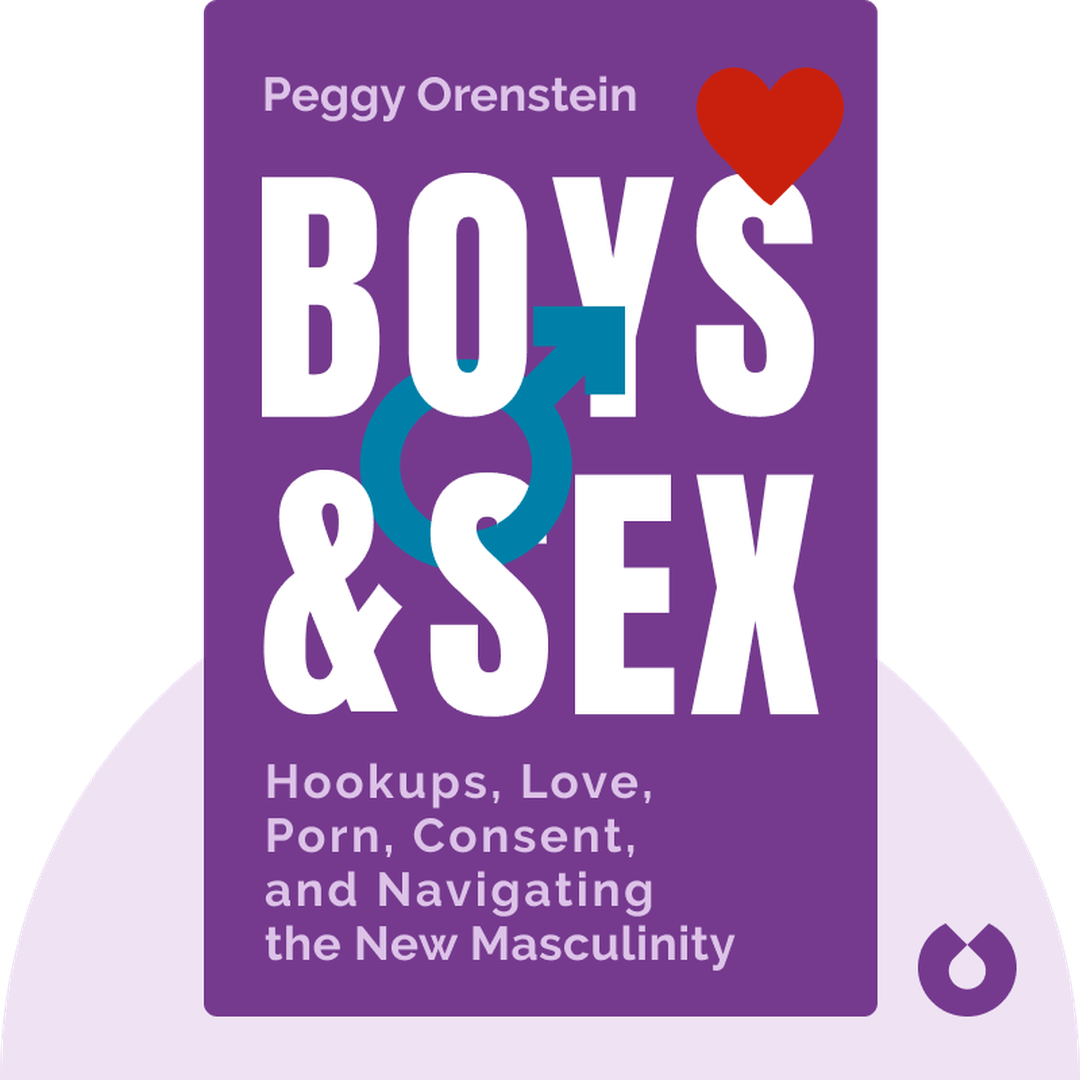
In Boys & Sex (2020), acclaimed journalist Peggy Orenstein asks young men all about their sex lives – and gets the uncensored answers. Drawing on two years of interviews with young men, academics, psychologists, and sex educators, Orenstein offers an unfiltered yet informed perspective on young men’s relationship to sex, from the pleasurable to the problematic.
Who Should Listen to Boys & Sex?
- Parents who are wondering how to give their teen boys “the talk”
- Educators who see firsthand how boys struggle with toxic masculinity
- Adolescent boys navigating the complex landscape of sex and relationships
Books Similar to Boys & Sex
Readers who enjoyed this also liked these titles.