If You're Curious About These Questions...
You should listen to this audiobook
- Have you ever wondered why so many young boys seem to lose their ability to express their feelings as they navigate the 'culture of cruelty' in modern schools?
- Did you know that the very traits we often praise as 'masculine' might be the secret drivers behind a hidden epidemic of emotional isolation among young men?
- What’s the secret to helping a boy develop high emotional intelligence in a society that constantly tells him to 'toughen up'?
Listen to Raising Cain — Free Audiobook
Loading player...
Key Takeaways from Raising Cain
- Discover how society's misguided stereotype of the 'strong and silent' man directly drives adolescent boys toward risky behaviors like substance abuse and aggression.
- Understand why young boys often underperform and act out in early education due to delayed biological development in impulse control and synapse connections compared to girls.
- Find out how innovative educational strategies, such as integrating physical activity corners, can accommodate boys' unique developmental needs and reduce classroom disruptions.
- Learn how the cruel, bullying culture of school environments forces boys to constantly keep their guard up, shut down emotionally, and participate in toxic rituals just to survive.
- Recognize the critical impact an emotionally involved father has on a boy's future success, where active parenting directly correlates with better psychological stability and higher adult earnings.
Learning Tools
Reinforce what you learned from Raising Cain
Mind Map
Raising Cain
The Myth of Masculinity+
School and Development+
Parental Roles+
Mental Health & Crisis+
Relationships & Maturity+
Actionable Advice+
Quiz — Test Your Understanding
Question 1 of 9
According to the 1995 National Survey of Adolescent Males, what is the impact of boys agreeing with traditional stereotypes of masculinity?
Question 2 of 9
Why do young boys often have a harder time following rules and paying attention in early education compared to girls?
Question 3 of 9
What is one potential solution suggested by researchers to address the developmental gap between young boys and girls in school?
Question 4 of 9
Why do many adolescent boys participate in cruel rituals or follow trends to fit in with popular kids at school?
Question 5 of 9
According to research on the father-child relationship, what was the most significant determining factor for how much money individuals earned at age 27?
Question 6 of 9
What unfounded fear do some mothers harbor regarding showing physical comfort and tenderness to their adolescent sons?
Question 7 of 9
What dangerous misconception often prevents isolated and depressed teenage boys from receiving the help they need?
Question 8 of 9
What does the statistical data from the 1997 American National Health Statistics reveal about teenage suicide?
Question 9 of 9
Around what age do most men typically mature and stop emotionally and sexually manipulating women?
Raising Cain — Full Chapter Overview
- 1Recommendation
- 2Society holds a persistent and misguided image of masculinity that encourages bad behavior in adolescents.
- 3Boys develop certain abilities later than girls, which can lead them to underperform and misbehave in school.
- 4Schools are harsh environments that push boys to become guarded and to shut down emotionally.
- 5Having a positive example of an emotionally engaged father can create a better future for young men.
- 6Physical affection between mothers and sons can feel awkward, but young males still need this contact.
- 7When boys grow isolated and depressed, it’s crucial for loved ones to step in and help.
- 8Boys face a high risk of teenage suicide, so any distress signals must be treated with urgency.
- 9Emotional struggles make it difficult for men to form healthy relationships, but this can improve later in life.
Raising Cain Summary & Overview
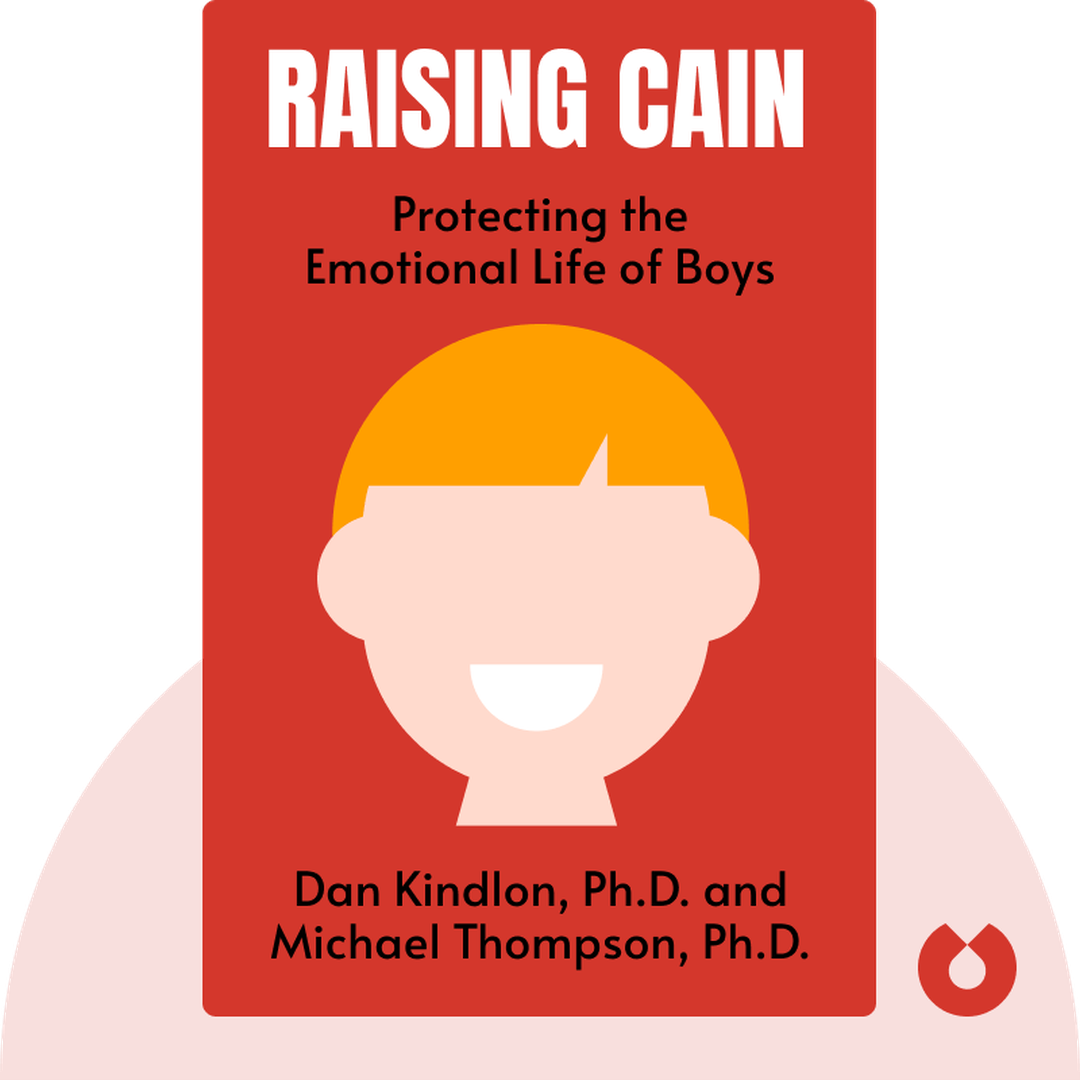
Raising Cain (1999) explains how boys have to navigate a society rife with misguided ideas about masculinity and filled with cruel classmates who are ready to pounce on any sign of weakness. Discover how these conditions can create emotionally stunted and suicidal young men, and find out what can be done to help remedy their situation before it’s too late.
Who Should Listen to Raising Cain?
- Parents who are raising a young boy or male adolescent
- Teachers and school counsellors coping with boys and their emotions
- Men who would like to better understand and process their feelings
Books Similar to Raising Cain
Readers who enjoyed this also liked these titles.