If You're Curious About These Questions...
You should listen to this audiobook
- Did you know that bourbon’s survival through the ‘dry’ years of Prohibition was fueled by a complex web of corruption, political maneuvering, and legal loopholes?
- Have you ever wondered why the definition of a ‘true’ American bourbon is so strictly protected by law, and how those rules actually shaped the nation's economy?
- Are you curious about the secret role whiskey played in building American society and the shocking scandals that almost brought the entire industry to its knees?
Listen to Bourbon Empire — Cinematic Audio Edition
Loading player...
Key Takeaways from Bourbon Empire
- Discover the specific legal requirements that make American whiskey officially bourbon, including the 51 percent corn rule and new oak barrel aging.
- Understand how the modern liquor industry capitalizes on the myth of small-batch traditions, despite just four massive corporations controlling 75 percent of the market.
- Learn why the American Revolutionary War caused a sudden shift away from British-controlled rum, elevating locally sourced whiskey into a symbol of national freedom.
- Trace the gritty 400-year evolution of American whiskey, from a harsh corn mash distilled in Virginia swamps to a globally recognized spirit shaped by intense political lobbying.
- Explore the dark side of the lucrative whiskey trade, including the massive 1875 Whiskey Ring conspiracy that reached the White House and the devastating impact of Prohibition.
Learning Tools
Reinforce what you learned from Bourbon Empire
Mind Map
Bourbon Empire
Definition & Legalities+
Origins & Early History+
Industry Consolidation+
Scandal & Prohibition+
Post-Prohibition & WWII+
The Vodka Threat & Rebranding+
Quiz — Test Your Understanding
Question 1 of 7
What specific criteria must a whiskey meet to be officially classified as bourbon?
Question 2 of 7
Why did Lewis Rosenstiel, head of a large liquor company, heavily lobby the government regarding bourbon?
Question 3 of 7
What historical event caused American colonists to shift their preference from Caribbean rum to locally produced whiskey?
Question 4 of 7
According to the text, what is the reality behind the diverse array of bourbon brands seen on store shelves today?
Question 5 of 7
How did the US government attempt to stop the consumption of bootleg medical and industrial alcohol during Prohibition?
Question 6 of 7
Why did vodka become a major threat to the bourbon industry starting in the mid-twentieth century?
Question 7 of 7
How did the bourbon industry, led by brands like Maker's Mark, respond when vodka began outselling bourbon in the US?
Bourbon Empire — Full Chapter Overview
- 1Recommendation
- 2Bourbon whiskey embodies the American spirit and its storied past.
- 3Today’s bourbon market clearly reflects the battle between big and small businesses.
- 4Bourbon’s history began 400 years ago with an army distiller in a Virginia swamp.
- 5The profitable whiskey industry fueled crime and poor quality before Prohibition shut it down.
- 6After Prohibition was repealed, the industry landed firmly in the hands of the Big Four.
- 7When vodka entered the US market, bourbon fought back by targeting the luxury niche.
- 8Final summary
Bourbon Empire Summary & Overview
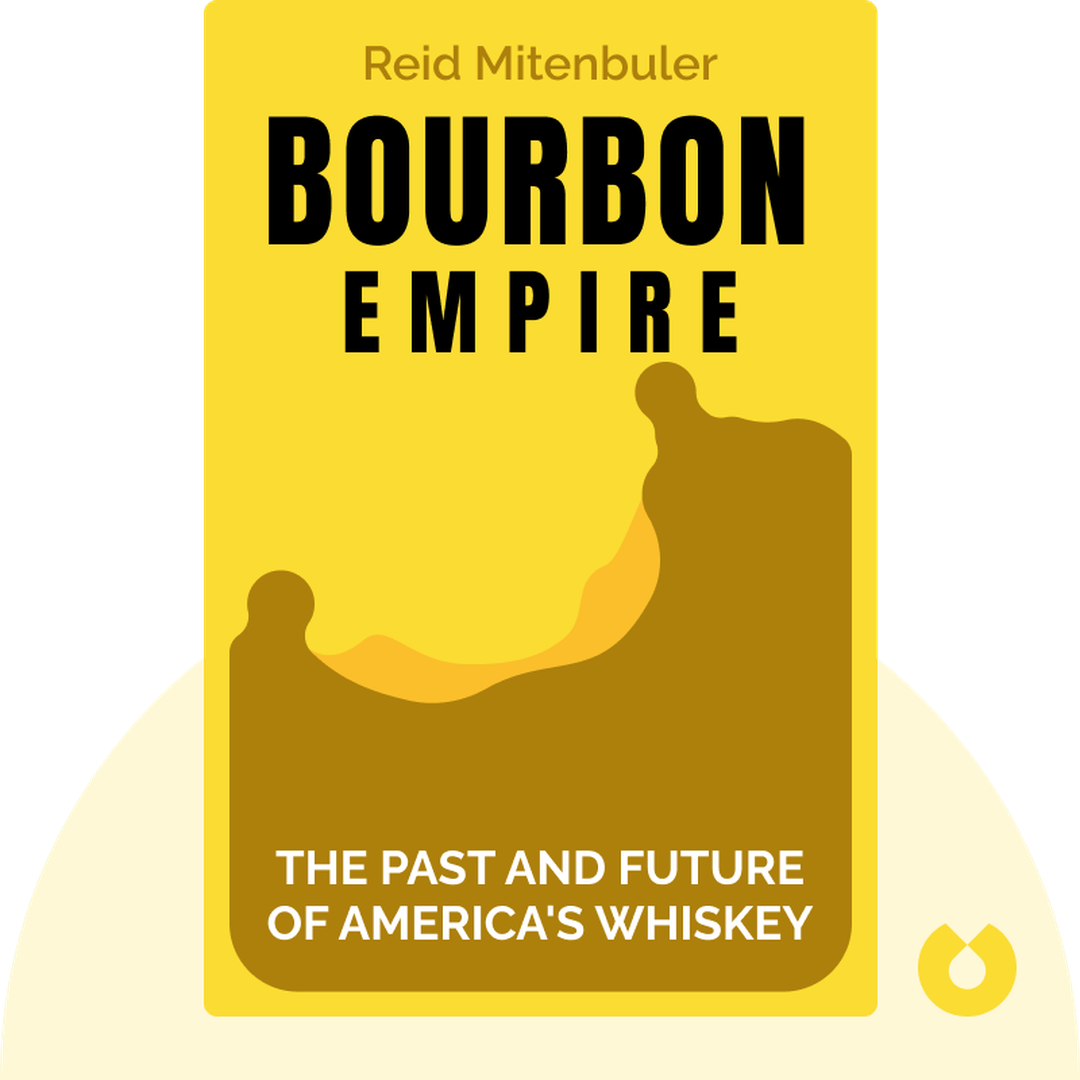
Bourbon Empire (2015) takes you on an exciting journey through time, revealing the complex history of America’s famous corn-based whiskey. Learn how this tipple survived the dry period of Prohibition, numerous corruption scandals and competition from overseas spirits while making its mark in politics and society.
Who Should Listen to Bourbon Empire?
- People interested in what makes a “true” bourbon
- Students curious about the role whiskey played in American history
- Bartenders, mixologists or anyone exploring the popularity of bourbon
Books Similar to Bourbon Empire
Readers who enjoyed this also liked these titles.