Theme Song
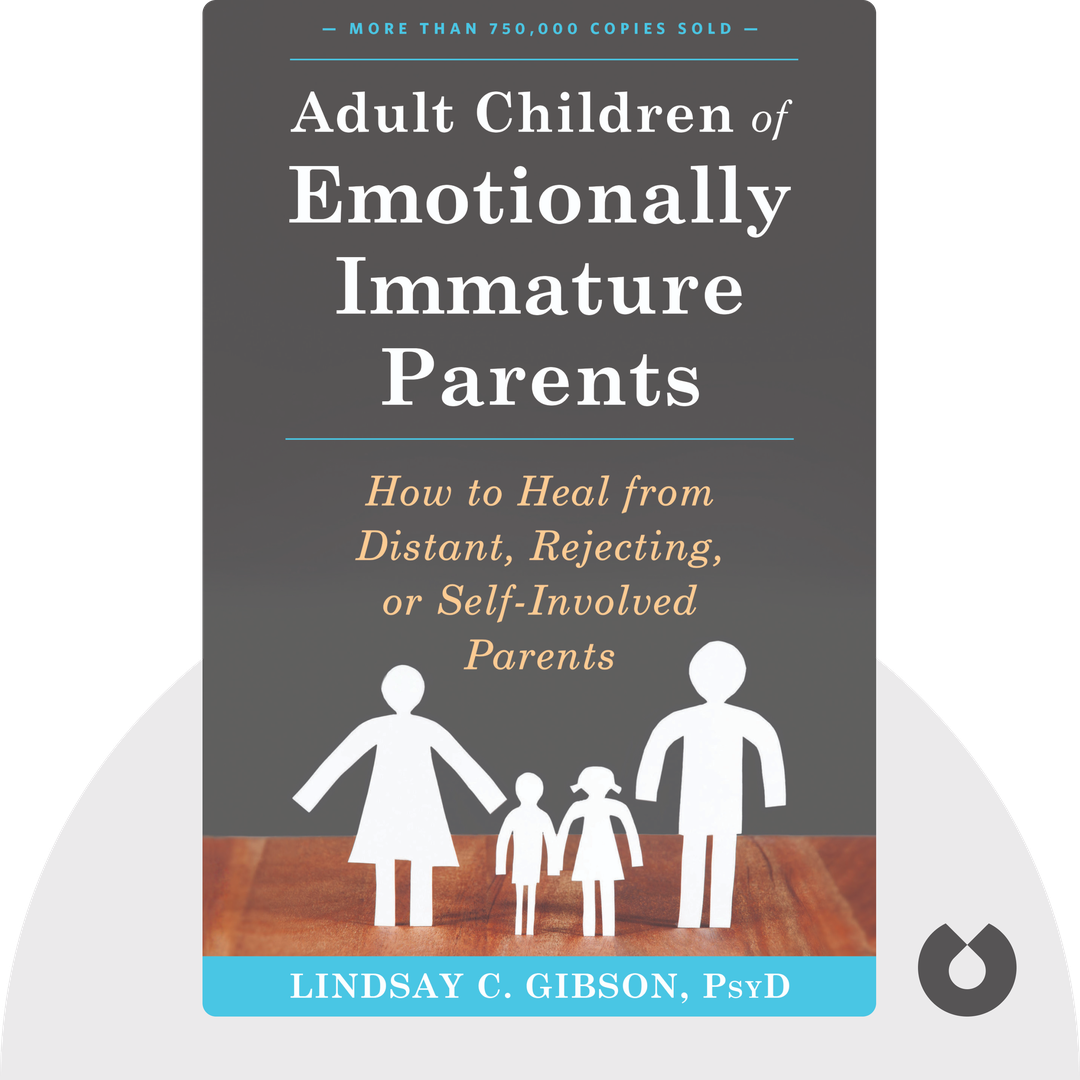
Adult Children of Emotionally Immature Parents
Start ListeningDownload Try free on iPhoneScan to start in 5 seconds
Categories:
If You're Curious About These Questions...
You should listen to this audiobook
- Have you ever wondered why you still feel a deep sense of emotional loneliness, even when you’re spending time with your family?
- Did you know that there are four distinct types of emotionally immature parents—and identifying yours could be the key to reclaiming your life?
- What if you could stop playing a role to please others and finally discover the secret to setting boundaries without the crushing weight of guilt?
Listen to Adult Children of Emotionally Immature Parents — Cinematic Audio Edition
Loading player...
Key Takeaways from Adult Children of Emotionally Immature Parents
- Understand why growing up without emotional intimacy can leave you with a chronic sense of emptiness and cause you to subconsciously repeat toxic relationship patterns.
- Learn how to break free from inherited negative family dynamics by actively developing your emotional intelligence and practicing self-reflection.
- Discover the generational roots of emotional immaturity, where strictly obedient upbringing creates adults who struggle with rigid thinking and a deep fear of vulnerability.
- Find out how building a solid support network of emotionally mature friends and seeking professional therapy can help mitigate the lingering trauma of childhood isolation.
- Recognize the specific behaviors of emotionally insecure parents, such as swinging unpredictably from affectionate to distant, so you can stop invalidating your own pain.
Learning Tools
Reinforce what you learned from Adult Children of Emotionally Immature Parents
Mind Map
Adult Children of Emotionally Immature Parents
The Core Problem+
Traits of Immature Parents+
Four Immature Parenting Styles+
Childhood Coping Mechanisms+
Maturity Awareness Approach+
Finding Healthy Relationships+
Quiz — Test Your Understanding
Question 1 of 7
According to the text, what is the difference between how emotionally mature and emotionally immature parents seek connection?
Question 2 of 7
How does the author frame the deep feelings of pain and emotional loneliness experienced by adult children of immature parents?
Question 3 of 7
Which type of emotionally immature parent is characterized by being obsessively goal-oriented, perfectionistic, and desiring complete control over their children's lives?
Question 4 of 7
What is a primary difference between 'internalizer' and 'externalizer' coping styles?
Question 5 of 7
What purpose do 'healing fantasies' and 'role-selves' serve for children of emotionally immature parents?
Question 6 of 7
When applying the 'maturity awareness approach,' what does the step 'manage instead of engage' entail?
Question 7 of 7
According to the text, which of the following is a key characteristic of an emotionally mature person?
Adult Children of Emotionally Immature Parents — Full Chapter Overview
- 1Recommendation
- 2Lack of emotional intimacy creates deep loneliness in both children and adults.
- 3How to spot the signs of emotional immaturity
- 4The four main styles of emotionally immature parenting
- 5Coping styles: Internalizers versus externalizers
- 6How to apply the maturity awareness approach
- 7Recognizing emotionally mature behavior can help you build healthier relationships.
- 8Final summary
Adult Children of Emotionally Immature Parents Summary & Overview
Adult Children of Emotionally Immature Parents (2015) exposes the negative impacts that many adults face as the result of growing up with distant, rejecting, or self-involved parents. From demystifying the behavior of emotionally immature caregivers to providing practical tools for personal growth, it’s a step-by-step guide to healing old wounds and embracing a more positive future.
Who Should Listen to Adult Children of Emotionally Immature Parents?
- Adult children of emotionally immature parents
- Parents who want to be more emotionally mature for their children
- Anyone interested in the dynamics of family psychology
Books Similar to Adult Children of Emotionally Immature Parents
Readers who enjoyed this also liked these titles.