Theme Song
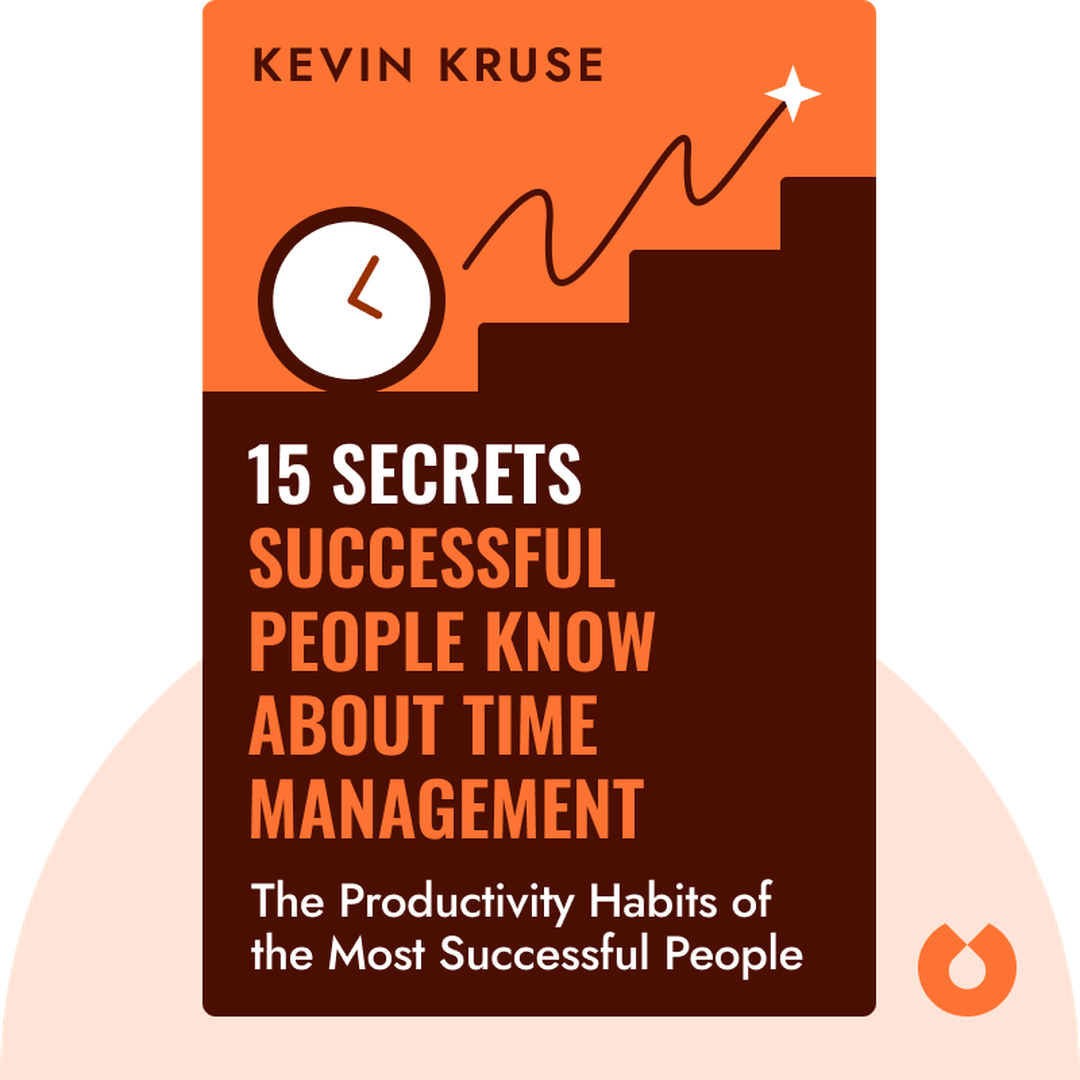
15 Secrets Successful People Know About Time Management
Start ListeningDownload Try free on iPhoneScan to start in 5 seconds
Categories:
If You're Curious About These Questions...
You should listen to this audiobook
- Have you ever wondered why the world’s most successful people have completely abandoned to-do lists in favor of a much more effective strategy?
- Did you know that billionaires don’t think about their day in hours, but in a specific number of minutes that completely changes how they value their time?
- What if you could reach the highest levels of achievement and still make it home for dinner by 5:30 p.m. without feeling overwhelmed?
Listen to 15 Secrets Successful People Know About Time Management — Cinematic Audio Edition
Loading player...
Key Takeaways from 15 Secrets Successful People Know About Time Management
- Discover why thinking of your day as 1,440 distinct minutes is the first crucial step to treating time as your most valuable, irreplaceable asset.
- Learn how to pinpoint your Most Important Task (MIT) each day to dramatically increase your focus, productivity, and overall happiness.
- Find out why you should ditch your stressful to-do list in favor of a detailed calendar to reduce anxiety and guarantee your priorities get accomplished.
- Master a simple mental trick to overcome procrastination by visualizing the future pleasure of completing a task and the pain of avoiding it.
- Understand the importance of carrying a physical notebook to capture fleeting ideas and why limiting inbox checks prevents others from dictating your schedule.
Learning Tools
Reinforce what you learned from 15 Secrets Successful People Know About Time Management
Mind Map
15 Secrets Successful People Know About Time Management
Time Mindset & Prioritization+
Scheduling & Execution+
Overcoming Distractions+
Efficiency & Ideas+
Energy & Routine+
Quiz — Test Your Understanding
Question 1 of 12
Why does the author emphasize the number 1,440 in the context of time management?
Question 2 of 12
What is the primary benefit of identifying your Most Important Task (MIT)?
Question 3 of 12
Why does the author recommend ditching traditional to-do lists in favor of a calendar?
Question 4 of 12
According to the book, how can you effectively overcome procrastination?
Question 5 of 12
Based on the research of psychologists Pam Mueller and Daniel Oppenheimer, why is it better to take notes by hand?
Question 6 of 12
What is the '321-Zero system' designed to help you manage?
Question 7 of 12
If you absolutely must hold a meeting, what strategy does the text recommend to make it more effective?
Question 8 of 12
How does the Pareto Principle (the 80/20 rule) apply to time management and productivity?
Question 9 of 12
What time management technique did Jack Dorsey use to successfully run both Twitter and Square?
Question 10 of 12
What is the recommended approach for handling small tasks, like responding to a quick email?
Question 11 of 12
What is the core philosophy behind the Pomodoro Technique as described in the text?
Question 12 of 12
In Hal Elrod's LIFE S.A.V.E.R.S morning routine system, what does the 'S' at the end stand for?
15 Secrets Successful People Know About Time Management — Full Chapter Overview
- 1Recommendation
- 2Time is your most valuable asset, so spend it wisely.
- 3Swap your to-do list for a calendar to get more done with less stress.
- 4Beat procrastination by predicting your future behavior and accepting there will always be more to do.
- 5Clear your mind and improve productivity by writing down ideas and checking your inbox less often.
- 6Take back control of your time by avoiding meetings and learning to say no.
- 7Use the 80/20 rule and self-reflection to become more efficient and satisfied.
- 8Boost your efficiency by assigning themes to your days and finishing quick tasks right away.
- 9Raise your energy and focus with a morning ritual and one simple technique.
- 10Final summary
15 Secrets Successful People Know About Time Management Summary & Overview
15 Secrets Successful People Know About Time Management (2015) reveals the secrets of time management used by billionaires, Olympic athletes, honor students and entrepreneurs. These blinks are a guide to extreme productivity that won’t wear you out.
Who Should Listen to 15 Secrets Successful People Know About Time Management?
- High achievers who want to spend more time to exercising, reading or with their family
- Procrastinators everywhere
- Employees who feel overworked or overwhelmed at the end of each day
Books Similar to 15 Secrets Successful People Know About Time Management
Readers who enjoyed this also liked these titles.