Theme Song
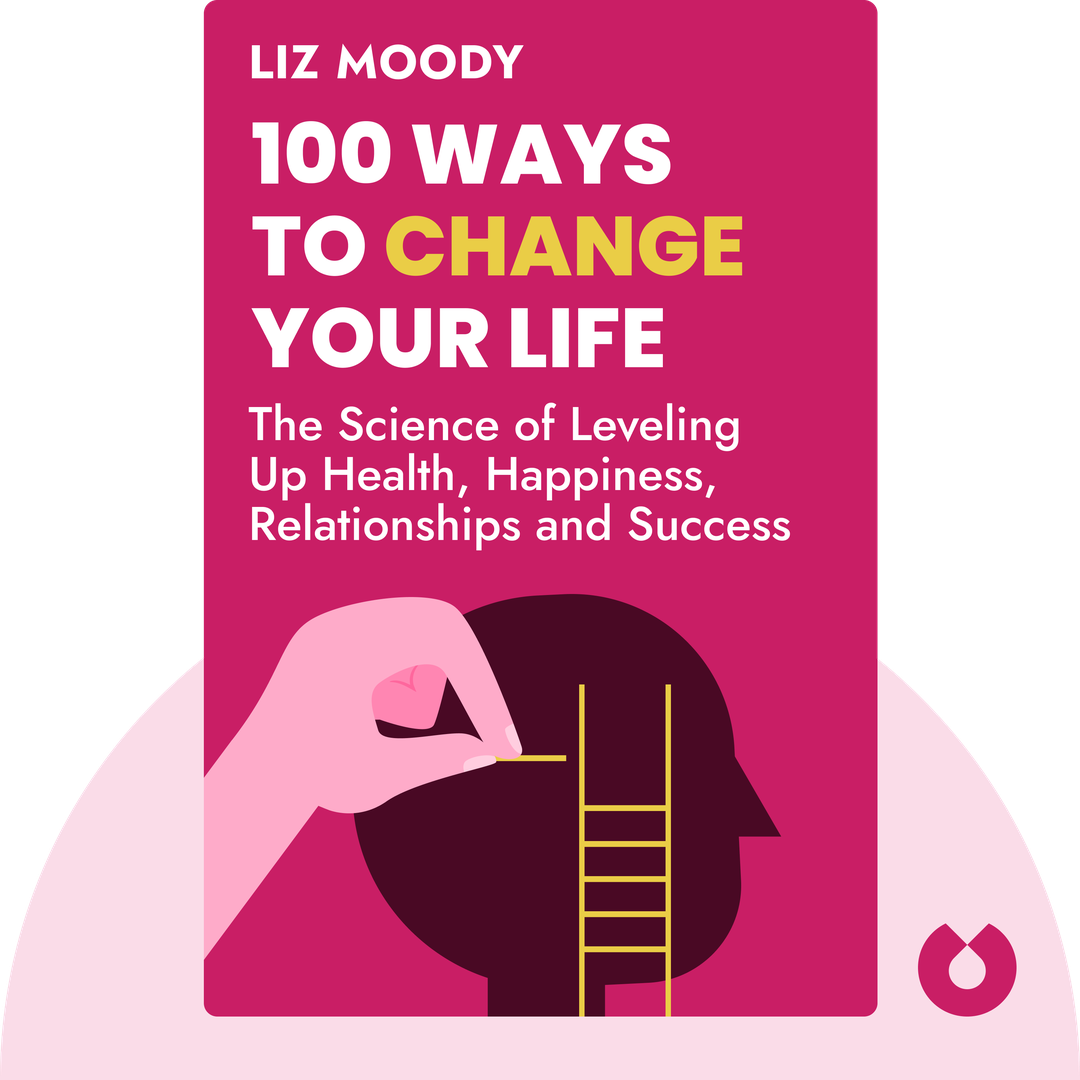
100 Ways to Change Your Life
Start ListeningDownload Try free on iPhoneScan to start in 5 seconds
Categories:
If You're Curious About These Questions...
You should listen to this audiobook
- What if you could transform your entire life not through radical overhauls, but through tiny, science-backed shifts that feel effortless to maintain?
- Have you ever wondered why traditional productivity advice often leaves us feeling empty, and what the secret is to finding genuine joy in the daily grind?
- Are you curious about the simple, practical habits that can bridge the gap between just dreaming about your goals and finally making them your reality?
Listen to 100 Ways to Change Your Life — Free Audiobook
Loading player...
Key Takeaways from 100 Ways to Change Your Life
- Discover why enduring suffering for the sake of wellness is counterproductive, and learn how prioritizing true enjoyment is the secret to making healthy habits stick.
- Understand the 'fresh start effect' and find out how leveraging simple milestones, like a Monday or a new month, can provide the psychological energy needed to build better routines.
- Learn why traditional goal visualization can actually kill your motivation, and master the WOOP method—Wish, Outcome, Obstacle, Plan—to successfully turn your ambitions into reality.
- Master the science-backed strategy of 'temptation bundling' by pairing your favorite indulgences with dreaded tasks to dramatically increase your consistency and productivity.
- Realize that creativity is a trainable muscle rather than an innate gift, and discover why waiting for the perfect conditions is the biggest barrier to unlocking your inspiration.
Learning Tools
Reinforce what you learned from 100 Ways to Change Your Life
Mind Map
100 Ways to Change Your Life
Enjoying Wellness+
Hacking Habits+
Inspiring Creativity+
Building Resilience+
Longevity & Physical Health+
Quiz — Test Your Understanding
Question 1 of 8
According to the text, how should we view our happiness?
Question 2 of 8
What counterintuitive advice do death doulas and clinical psychologists suggest to help you fully experience life's pleasures?
Question 3 of 8
Why do researchers advise against simply visualizing yourself achieving a goal?
Question 4 of 8
What is 'temptation bundling' as described in the text?
Question 5 of 8
According to neuroscientists, why might activities like doodling or playing with a fidget spinner boost creativity?
Question 6 of 8
How do neuroscientists suggest you handle a highly stressful situation, such as a high-pressure work deadline, to prevent panic?
Question 7 of 8
Why does the text emphasize the importance of flossing beyond just maintaining oral health?
Question 8 of 8
According to a Yale study mentioned in the text, what is the biggest predictor of longevity?
100 Ways to Change Your Life — Full Chapter Overview
- 1Recommendation
- 2Want to live well? Start by enjoying yourself!
- 3Hack your daily habits
- 4Welcome inspiration and creativity
- 5Remind yourself you’re resilient
- 6Live better, and live longer
- 7Final summary
100 Ways to Change Your Life Summary & Overview
100 Ways to Change Your Life (2023) is a guide that offers you a wide range of practical tips and strategies for making impactful changes in various aspects of your life. Covering topics from health and wellness to personal growth and happiness, it’s designed to inspire and motivate you to implement small but significant adjustments to suit your individual needs and goals.
Who Should Listen to 100 Ways to Change Your Life?
- Wellness devotees and productivity fanatics who’ve lost sight of simple happiness
- Dreamers who’d love to start doing, if they could only stick to their goals
- Anyone who feels there could be more to life than the status quo
Books Similar to 100 Ways to Change Your Life
Readers who enjoyed this also liked these titles.