If You're Curious About These Questions...
You should listen to this audiobook
- Have you ever wondered what life is really like inside the high-stakes, high-stress world of Wall Street’s junior analysts?
- Did you know that behind the prestige and six-figure salaries of young investment bankers lies a grueling reality that most graduates aren't prepared for?
- Are you curious about how the 2008 financial crash fundamentally reshaped the ambitions and ethics of the newest generation of financial titans?
Listen to Young Money — Free Audiobook
Loading player...
Key Takeaways from Young Money
- Discover how Wall Street aggressively recruits college seniors, using flashy presentations and 'polite stalking' to hook top talent well before graduation.
- Understand why many graduates become 'accidental financiers,' using lucrative two-year contracts as a quick fix for massive student debt and career uncertainty.
- Learn the grueling reality of a 'banker nine-to-five' schedule, where first-year analysts endure 100-hour workweeks, toxic management, and constant on-call expectations.
- Find out how extreme sleep deprivation and immense stress severely endanger the physical health and personal relationships of young financial analysts.
- Recognize the manipulative ways firms isolate their employees from the outside world, using in-house amenities like gyms and barbers to keep them tethered to the office.
Learning Tools
Reinforce what you learned from Young Money
Mind Map
Young Money
Aggressive Recruitment+
The Accidental Financier+
Brutal Working Conditions+
Severe Personal Sacrifices+
The Reality of the Work+
Psychological Corruption+
The Compensation Illusion+
The Post-Crash Decline+
Quiz — Test Your Understanding
Question 1 of 8
According to the book, what is a key characteristic of Wall Street's hiring process for college graduates?
Question 2 of 8
Why do many graduates become 'accidental financiers' on Wall Street despite not having a true passion for finance?
Question 3 of 8
What is described as the hardest part of the long hours for most first-year analysts?
Question 4 of 8
How do some Wall Street firms attempt to keep their analysts cocooned in their office buildings?
Question 5 of 8
How did many young analysts view themselves during the Occupy Wall Street protests?
Question 6 of 8
What personality change is commonly observed in analysts who decide to stay on Wall Street beyond their initial two years?
Question 7 of 8
Why is the impressive-sounding $100,000+ salary of a young analyst considered underwhelming upon closer inspection?
Question 8 of 8
How did the 2007 financial crisis and subsequent public protests affect Wall Street recruitment?
Young Money — Full Chapter Overview
- 1Recommendation
- 2Wall Street recruiting is aggressive and starts during college.
- 3Many people end up on Wall Street because they’re unsure what else to do with their lives.
- 4Working conditions for new Wall Street analysts are truly quite shocking.
- 5Most people heading to Wall Street often sacrifice their personal lives and their health.
- 6For most young people, working in finance simply feels like any other job.
- 7Work on Wall Street changes you for the worse.
- 8There are numerous other industries offering adequate pay, with far better working conditions available.
- 9Since the crash and the protests that followed, potential recruits have grown cautious.
Young Money Summary & Overview
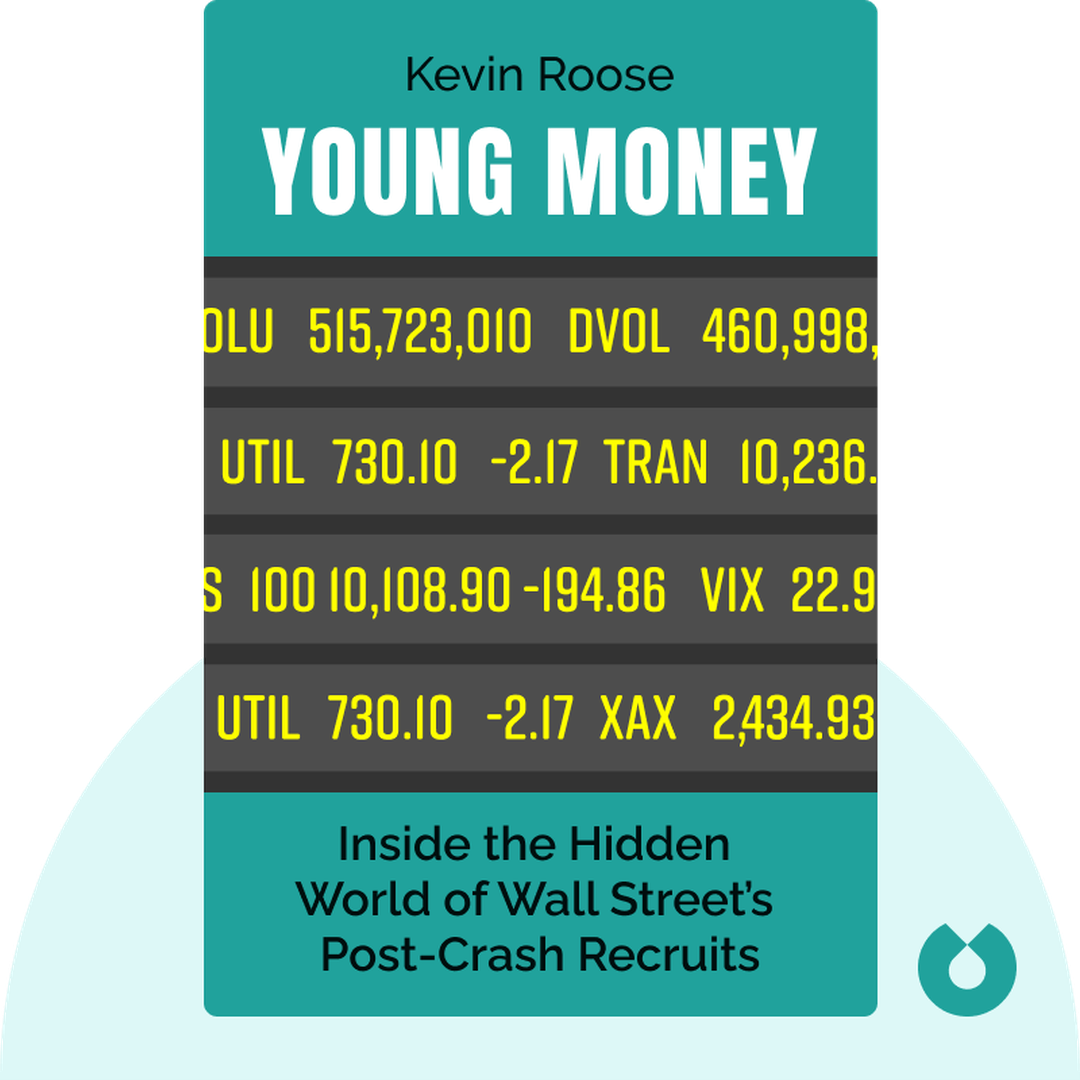
Kevin Roose spent three years following eight young Wall Streeters in an attempt to find how the 2007 crash – and its aftermath – influenced the financial industry. Young Money paints a decidedly grim picture of junior analysts who find themselves on a non-stop rollercoaster of all-nighters and extreme stress, while earning six-figure incomes.
Who Should Listen to Young Money?
- Graduates considering a job on Wall Street
- People already working as analysts on Wall Street
- Anyone curious about life in the belly of the financial beast
Books Similar to Young Money
Readers who enjoyed this also liked these titles.