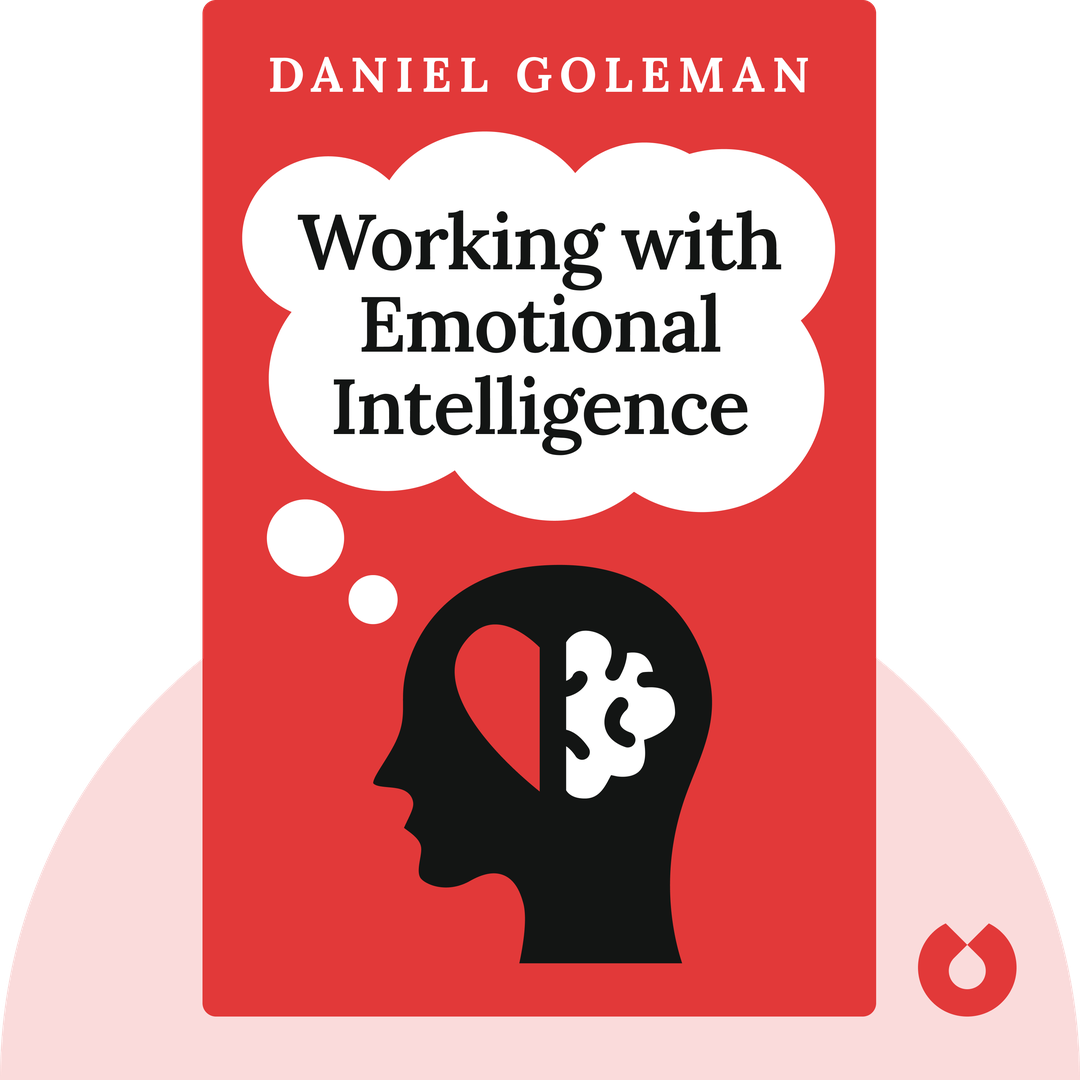
Working with Emotional Intelligence
Start ListeningDownload Try free on iPhoneScan to start in 5 seconds
Categories:
If You're Curious About These Questions...
You should listen to this audiobook
- Did you know that while your IQ might get you through the door, it’s actually a completely different set of skills that determines how far you’ll climb the corporate ladder?
- Have you ever wondered why some technically brilliant professionals struggle to lead, while others seem to effortlessly inspire loyalty and navigate high-pressure conflicts?
- What’s the secret to the 'star performance' that sets top-tier executives apart from the rest of the workforce—and how can you develop it yourself?
Listen to Working with Emotional Intelligence — Cinematic Audio Edition
Loading player...
Key Takeaways from Working with Emotional Intelligence
- Discover why 71% of employers now value emotional intelligence over technical know-how when assessing candidates for leadership roles.
- Understand how emotional intelligence acts as the foundational glue for team collaboration, often elevating careers faster than pure intellectual brilliance.
- Learn how to prevent your emotional brain from hijacking your reasoning during high-stress situations by mastering self-regulation and impulse control.
- Find out how acknowledging your emotions through practices like journaling can lower stress responses and help you bounce back faster from professional setbacks.
- Master the use of empathy and non-verbal cues to positively influence group dynamics and prevent negative emotional contagion from undermining team productivity.
Learning Tools
Reinforce what you learned from Working with Emotional Intelligence
Mind Map
Working with Emotional Intelligence
The Value of EQ+
Self-Regulation & Stress+
Emotional Contagion+
Effective EQ Training+
Organizational Intelligence+
Quiz — Test Your Understanding
Question 1 of 6
According to research mentioned in the text, how do employers view emotional intelligence compared to technical skills when assessing candidates?
Question 2 of 6
In the 1970s, what did psychologist David McClelland propose as the most crucial predictor of professional success across various roles?
Question 3 of 6
What happens in the brain when a person experiences intense professional stress, according to neuroscience findings in the text?
Question 4 of 6
How does the text explain the biological basis for empathy and emotional attunement between a leader and their team?
Question 5 of 6
What is identified as a critical component for successfully implementing emotional intelligence training in an organization?
Question 6 of 6
How did the executive search firm Egon Zehnder International successfully foster an emotionally intelligent culture of collaboration?
Working with Emotional Intelligence — Full Chapter Overview
- 1Recommendation
- 2Your employer already recognizes this key predictor of performance
- 3Self-regulation is your secret weapon against stress
- 4Manage your emotions to create positive outcomes
- 5How to bring EQ training into the workplace
- 6Building emotional intelligence across your organization
- 7Final summary
Working with Emotional Intelligence Summary & Overview
Working with Emotional Intelligence (1999) explores how emotional intelligence (EQ) plays a key part in professional success, surpassing cognitive abilities like IQ or technical expertise. It shows that skills like self-awareness, empathy, and social competence are key to career advancement and offers practical insights for anyone looking to enhance their professional life through emotional intelligence.
Who Should Listen to Working with Emotional Intelligence?
- Aspiring leaders who want to enhance their promotion chances by cultivating EQ
- Managers brushing up on conflict resolution strategies and interpersonal skills
- HR professionals looking to identify and nurture employees with high EQ levels
Books Similar to Working with Emotional Intelligence
Readers who enjoyed this also liked these titles.