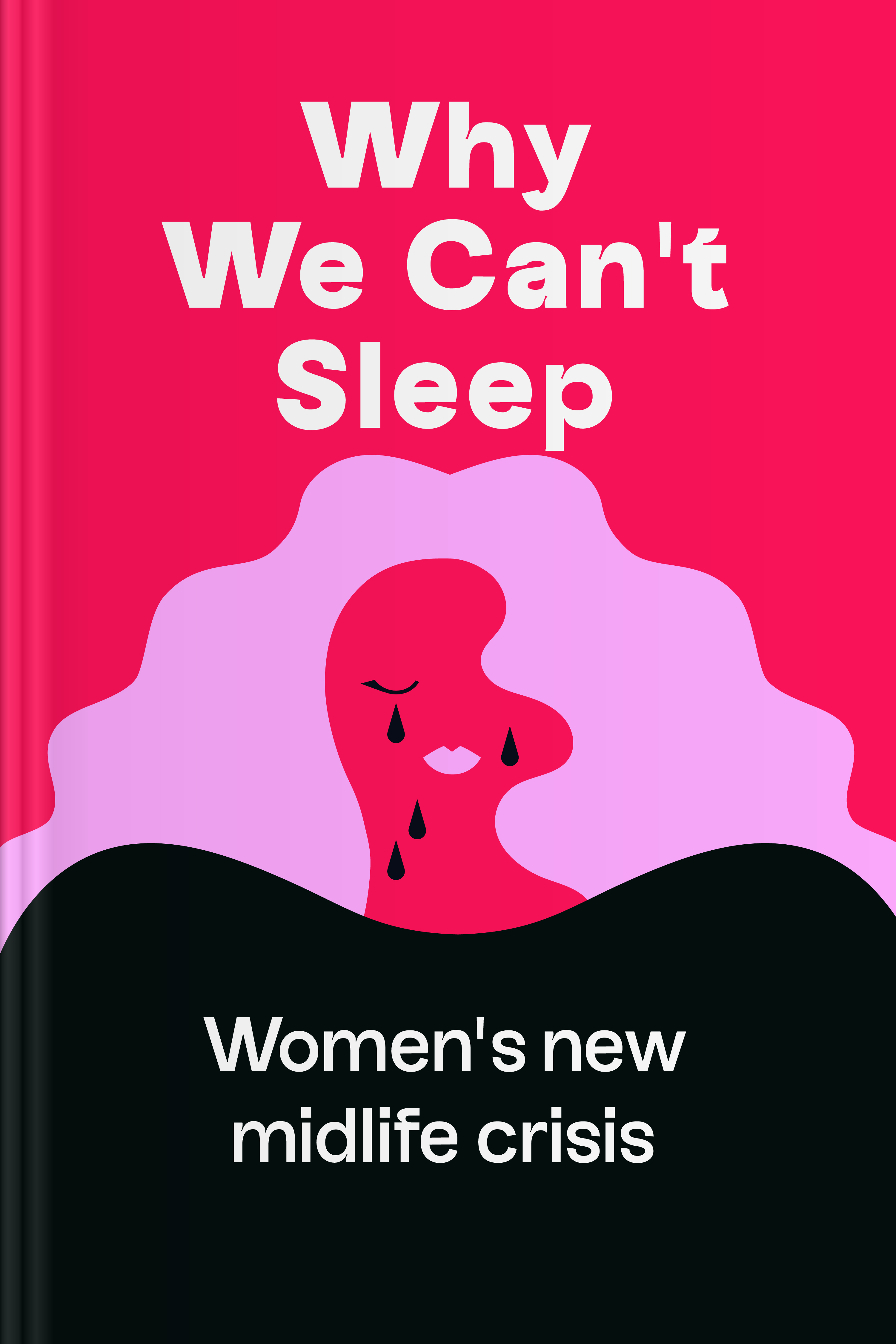
If You're Curious About These Questions...
You should listen to this audiobook
- Have you ever wondered why the generation of women told they could "have it all" is now the most exhausted and overwhelmed?
- Did you know that the midlife crisis Gen X women are experiencing is actually fueled by a unique set of economic and social traps?
- Are you curious about why balancing a career, children, and aging parents feels harder for today’s women than it did for previous generations?
Listen to Why We Can’t Sleep — Cinematic Audio Edition
Key Takeaways from Why We Can’t Sleep
- Understand why the empowering Generation X message that 'anything is possible' quietly morphed into the exhausting daily expectation that 'everything is required.'
- Discover how midlife burnout is often driven by undeniable math and logistics, like high childcare and living costs, rather than a simple failure of your personal mindset.
- Learn to release the guilt of feeling dissatisfied by realizing that having more societal freedoms than past generations doesn't invalidate your current stress.
- Recognize why having an abundance of life choices doesn't automatically equate to true freedom, but often adds paralyzing pressure and relentless self-comparison.
- Navigate the disorienting 'midlife pause' by understanding how a natural slowing of life's milestones and hormonal transitions can falsely mimic a sense of personal failure.
Learning Tools
Reinforce what you learned from Why We Can’t Sleep
Mind Map
Quiz — Test Your Understanding
Why We Can’t Sleep — Full Chapter Overview
- 1Recommendation
- 2When “Having It All” Still Feels Like Not Enough
- 3When More Choices Become More Weight
- 4The Midlife Pause and the Quiet Question, “Is This It?”
- 5Work, Pay, and the Financial Squeeze That Doesn’t Let Up
- 6Decision Fatigue, Second-Guessing, and the Pressure to Get It Right
- 7Single in Midlife: Different Pressures, Same Tender Questions
- 8The Comparison Trap: Aging, Filters, and the Myth of Everyone Else’s Perfect Life
- 9A Kinder Plan: Lower the Pressure and Build a Life That Fits
- 10Coming Home to Yourself, One Small Choice at a Time
Why We Can’t Sleep Summary & Overview
This audio-style summary explores why so many Generation X women reach midlife feeling tired, tense, and strangely unfulfilled—even when, from the outside, life looks “fine.” Drawing on Ada Calhoun’s observations, it traces how cultural messages about limitless potential collided with unequal pay, relentless caregiving demands, and the emotional weight of trying to do everything well.
Across nine chapters, the script moves from recognizing the pressures—work, money, parenting, aging, relationships, and social comparison—to offering gentler ways forward. The focus isn’t perfection. It’s creating a life that fits: lowering unrealistic expectations, choosing what matters most, and making practical space for care, support, and small daily relief.
Who Should Listen to Why We Can’t Sleep?
- Generation X women who feel stressed, restless, or disappointed in midlife and want language for what they’re experiencing
- Anyone supporting a partner, friend, or family member navigating caregiving pressure, menopause transitions, or career strain
- Listeners who want a compassionate, realistic reframing of ambition, “having it all,” and what fulfillment can look like now
Books Similar to Why We Can’t Sleep
Readers who enjoyed this also liked these titles.