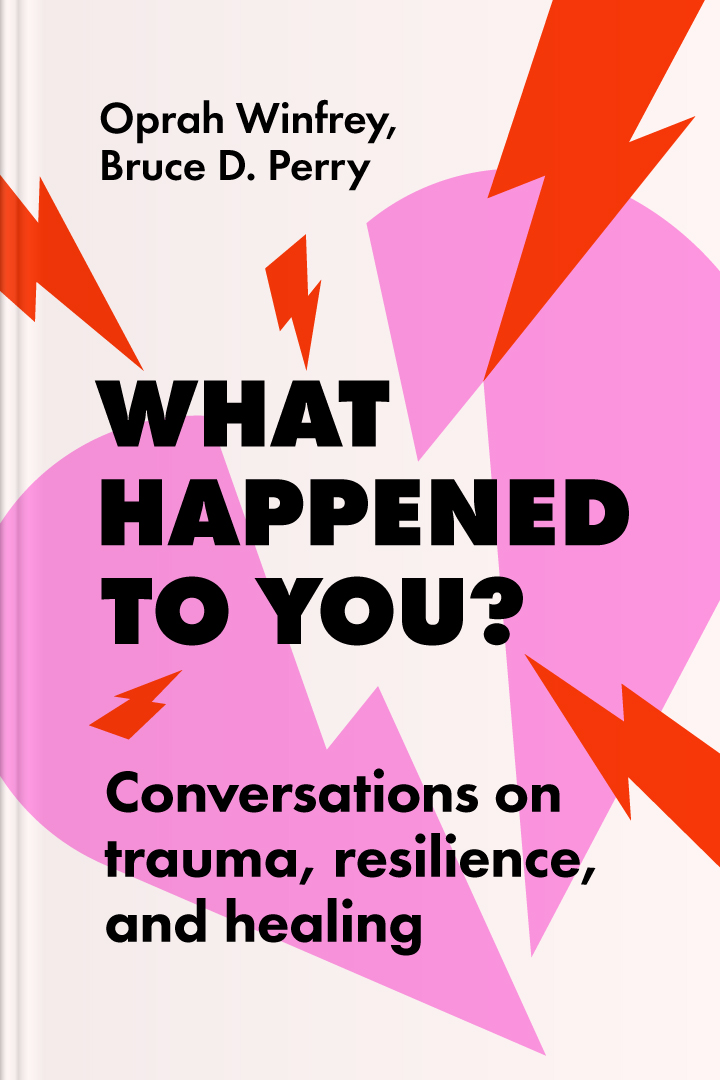
AudiobookHub Summary: Childhood Trauma, the Body, and Healing Through Connection
If You're Curious About These Questions...
You should listen to this audiobook
- Have you ever wondered why your body sometimes reacts with intense stress or shut-down, even when you know you’re safe in the present moment?
- Did you know that many of the adult behaviors we struggle with are actually brilliant survival strategies your nervous system developed during childhood?
- What if you could unlock a path to healing that doesn't involve blame, but instead focuses on the transformative power of safety and human connection?
Listen to AudiobookHub Summary: Childhood Trauma, the Body, and Healing Through Connection — Free Audiobook
Key Takeaways from AudiobookHub Summary: Childhood Trauma, the Body, and Healing Through Connection
- Understand the profound healing shift from asking 'What is wrong with me?' to 'What happened to me?' to approach your past with compassion rather than judgment.
- Discover how your earliest childhood environments create an unconscious blueprint that dictates your deep-seated beliefs about love, safety, and self-worth.
- Learn why extreme behaviors and adult struggles, like addiction or self-harm, are often survival adaptations rooted in early life rather than signs of inherent brokenness.
- Realize how your body and nervous system keep a physical memory of past trauma, quietly triggering stress responses before your conscious mind has time to process them.
- Grasp the concept of emotional regulation to understand why feeling overwhelmed or 'too sensitive' is actually a biological response to an imbalanced nervous system.
Learning Tools
Reinforce what you learned from AudiobookHub Summary: Childhood Trauma, the Body, and Healing Through Connection
Mind Map
Quiz — Test Your Understanding
AudiobookHub Summary: Childhood Trauma, the Body, and Healing Through Connection — Full Chapter Overview
- 1Recommendation
- 2The Early Blueprint of Self-Worth
- 3The Body’s Memory and the Art of Regulation
- 4Survival Strategies: Fight, Flight, and the Quiet Shelter of Dissociation
- 5Connection as Medicine, and the Healing Question
- 6Resilience Grows Where Safety Stays
- 7When Screens Replace Stories: Modern Stress and Disconnection
- 8Stepping Out of History, One Gentle Choice at a Time
AudiobookHub Summary: Childhood Trauma, the Body, and Healing Through Connection Summary & Overview
This audio narration offers a supportive, compassionate exploration of how childhood environments can shape a person’s nervous system, self-worth, and relationships—often in ways that are hard to notice until later in life. Rather than focusing on blame, it invites understanding: what happened, what the body learned, and why certain patterns may have formed as survival strategies.
Across seven chapters, the narration moves from early caregiving and brain development to trauma responses like fight-or-flight and dissociation, and then toward the practical hope found in safety, consistent support, and connectedness. It closes with an encouraging reminder that healing doesn’t need to be rushed—and that self-compassion, community, and forgiveness can gently open the door to a more stable future.
Who Should Listen to AudiobookHub Summary: Childhood Trauma, the Body, and Healing Through Connection?
- Listeners who want a gentle, non-judgmental understanding of how childhood experiences can affect adult stress, self-esteem, and relationships.
- Anyone curious about the body’s role in trauma—regulation, dysregulation, and why reactions can persist even when life improves.
- People seeking hopeful, practical reminders that connection, safety, and supportive help can make healing possible.
Books Similar to AudiobookHub Summary: Childhood Trauma, the Body, and Healing Through Connection
Readers who enjoyed this also liked these titles.