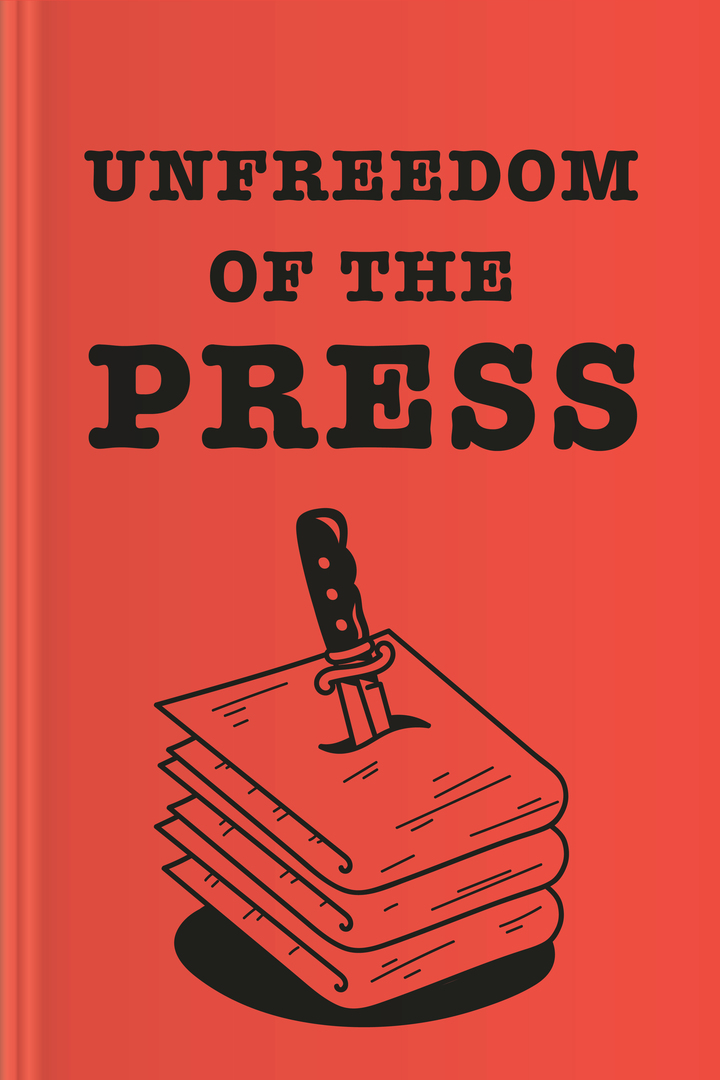
Unfreedom of the Press
If You're Curious About These Questions...
You should listen to this audiobook
- Have you ever wondered why the press shifted from reporting objective facts to trying to direct what you should believe?
- Did you know that 'pseudo-events' and the strategic omission of information might be shaping your worldview more than the news itself?
- What if you could master a few simple habits to cut through the digital noise and evaluate any news story with total clarity?
Listen to Unfreedom of the Press — Free Audiobook
Key Takeaways from Unfreedom of the Press
- Learn how to protect your own clarity by cross-checking facts, noticing media framing, and staying informed without falling into the trap of constant outrage.
- Understand the profound shift in modern journalism as the media transitions from an objective watchdog that informs the public to a societal architect that actively shapes narratives.
- Discover why a biased press acts like a 'cracked mirror' that distorts reality, turns complex issues into moral theater, and ultimately fractures societal trust.
- Explore the origins of the early American press, where 17th-century visionaries blended classical wisdom with Enlightenment ideals to fuel the original fight for liberty.
- Recognize the historical tension between press freedom and political control to better evaluate whether today's news outlets are upholding democratic values or pushing ideological activism.
Learning Tools
Reinforce what you learned from Unfreedom of the Press
Mind Map
Unfreedom of the Press — Full Chapter Overview
- 1Recommendation
- 2When News Becomes a Force That Pushes
- 3The Early Press and the Hunger for Liberty
- 4From Open Partisanship to Quiet Alignment
- 5The Pressure That Comes From Inside the Newsroom
- 6Pseudo-Events and the Art of Manufactured Attention
- 7When Silence and Placement Become Part of the Story
- 8Rebuilding Trust Through Evidence and Restraint
- 9Choosing Standards Again in a Noisy Age
Unfreedom of the Press Summary & Overview
This audiobook-style summary explores the changing role of the media and why so many people feel trust has eroded. It begins with a simple premise: the press is most powerful when it is committed to objectivity and public service, not when it tries to direct society’s beliefs.
Moving from early American press history to modern digital culture, the chapters highlight political alignment, the rise of commentary-as-news, the influence of “pseudo-events,” and the consequences of omission and unverified claims. The closing chapter offers supportive, realistic habits that can help listeners navigate today’s information landscape with steadier judgment.
Who Should Listen to Unfreedom of the Press?
- Listeners who feel overwhelmed by modern news and want calmer, more practical ways to evaluate information.
- Anyone curious about how journalism’s role has shifted over time and why public trust has changed.
- Students and everyday citizens who want to build healthier media habits—cross-checking sources, noticing bias, and asking better questions.
Books Similar to Unfreedom of the Press
Readers who enjoyed this also liked these titles.