If You're Curious About These Questions...
You should listen to this audiobook
- Have you ever wondered why girls are experiencing record levels of anxiety, and how much of that stress is actually a necessary part of growing up?
- What’s the secret to helping young women manage the intense pressure to be "perfect" in every area of their lives?
- Did you know that certain common parenting instincts might actually be fueling your daughter’s stress rather than calming it?
Listen to Under Pressure — Free Audiobook
Loading player...
Key Takeaways from Under Pressure
- Understand why occasional stress and anxiety are actually beneficial, acting as a natural alarm system and helping girls build resilience when stepping outside their comfort zones.
- Discover how to distinguish between healthy stress and unhealthy anxiety by monitoring whether a girl's internal alarm system goes off too frequently and negatively impacts her overall wellbeing.
- Learn why allowing girls to avoid stressful situations only worsens their anxiety, and how encouraging them to face their fears step-by-step actively prevents the development of phobias.
- Recognize that a naturally shy or cautious girl does not necessarily have a social anxiety disorder, but may simply possess a 'slow-to-warm-up' personality that requires time to adapt.
- Explore the unique cultural pressures young women face today—from societal expectations to the nuances of interpreting report cards—and gain practical tools to help them build lasting confidence.
Learning Tools
Reinforce what you learned from Under Pressure
Mind Map
Under Pressure
Understanding Stress & Anxiety+
Social & Personality Dynamics+
Academic Pressures+
Sexual Harassment+
Perspective for Parents+
Quiz — Test Your Understanding
Question 1 of 7
According to Dr. Damour, how should parents and educators view a teenager's stress and anxiety?
Question 2 of 7
Why does Dr. Damour advise against helping girls avoid situations that make them anxious, such as skipping a difficult test?
Question 3 of 7
When a child is hesitant to engage in a new social situation, what does Dr. Damour suggest parents do?
Question 4 of 7
What key difference does research reveal about how girls and boys typically interpret poor academic grades?
Question 5 of 7
What common, yet harmful, reaction do many girls have after experiencing sexual harassment, according to the text?
Question 6 of 7
How do cultural expectations regarding 'agreeableness' negatively impact girls like Nicki, the gymnast?
Question 7 of 7
Despite alarming media narratives about teenage crises, what does research indicate about modern teenagers?
Under Pressure — Full Chapter Overview
- 1Recommendation
- 2Depending on the context, stress and anxiety are not always harmful.
- 3Reduce girls’ anxiety by helping them face, not flee from, their problems.
- 4A timid and wary girl doesn’t automatically have an anxiety disorder.
- 5Even though they surpass boys academically, girls worry more about school performance.
- 6Girls endure pervasive sexual harassment and frequently blame themselves.
- 7The cultural belief that girls must be agreeable is driving their anxiety.
Under Pressure Summary & Overview
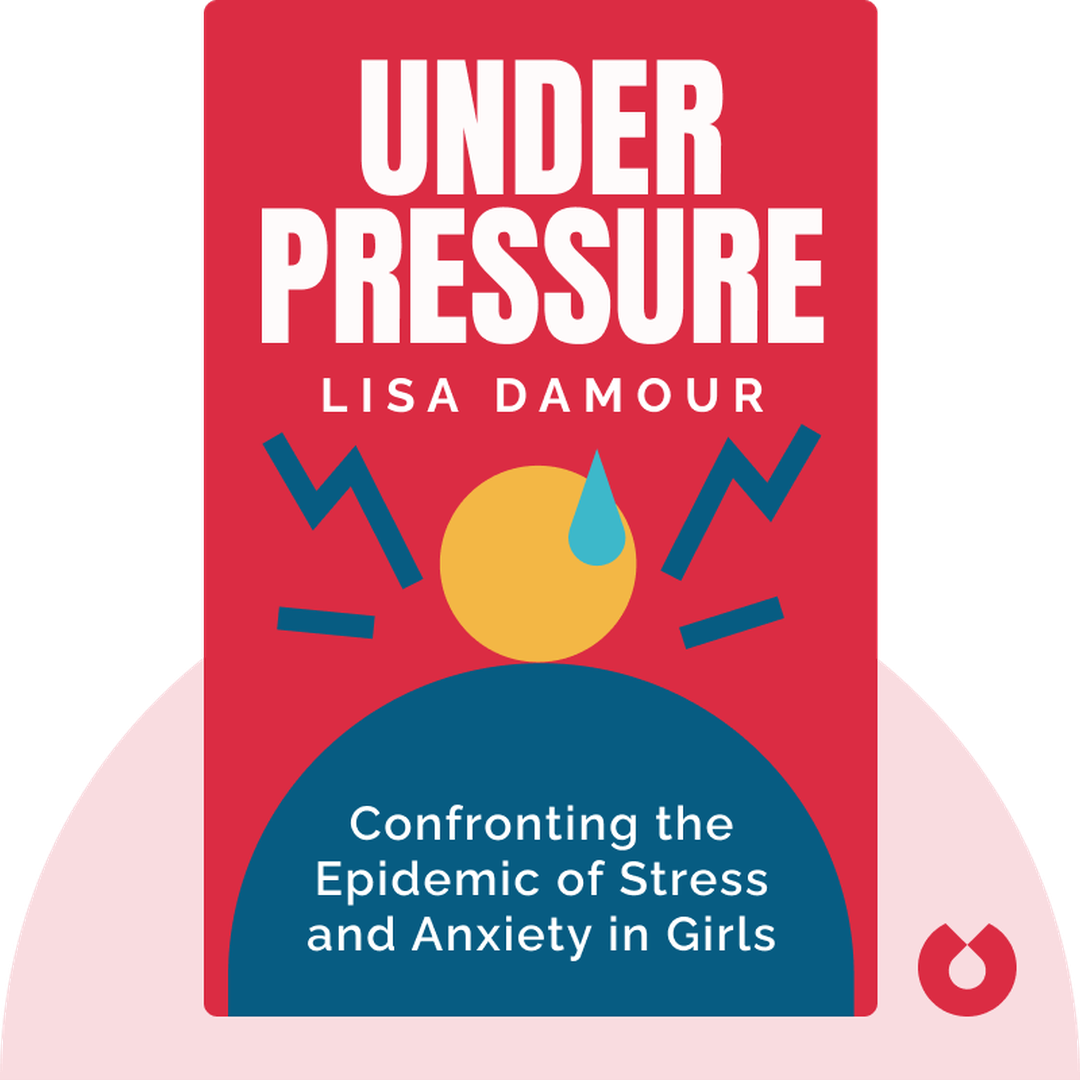
Under Pressure (2019) explores the particular challenges that school-aged girls face throughout their education, at home and in society at large. Drawing on her wealth of experience as a clinical psychologist, Lisa Damour explains how parents, teachers and mentors can help girls overcome the stress and anxiety that disproportionately affects young women.
Who Should Listen to Under Pressure?
- Parents hoping to brush up on their skills
- Feminists looking for fresh insights into female psychology
- Education professionals seeking to support female students
Books Similar to Under Pressure
Readers who enjoyed this also liked these titles.