If You're Curious About These Questions...
You should listen to this audiobook
- What's the secret to predicting the next devastating tsunami?
- Are you curious about the ancient legends that hold the key to understanding these natural disasters?
- What if you could learn from the past to protect yourself and your loved ones from the fury of the ocean?
Listen to Tsunami — Free Audiobook
Loading player...
Key Takeaways from Tsunami
- Discover how 80 percent of tsunamis are triggered by underwater earthquakes and how historical disasters led to the creation of the Pacific Tsunami Warning System.
- Learn about the hidden dangers of freshwater tsunamis in lakes and fjords, which are triggered by massive landslides and can strike with zero warning.
- Understand why global warming is increasing the frequency of unexpected freshwater tsunamis by melting glaciers and destabilizing surrounding landmasses.
- Find out how indigenous oral histories and ancient legends, like the Maori tales of water monsters, are providing crucial clues to guide modern scientific tsunami research.
- Explore how combining ancient folklore, geological evidence, and harrowing survivor stories can help us better prepare for and react to future natural disasters.
Learning Tools
Reinforce what you learned from Tsunami
Mind Map
Tsunami
Causes & Mechanics+
Historical Case Studies+
Research & Knowledge+
Preparedness & Survival+
Quiz — Test Your Understanding
Question 1 of 6
What is the primary trigger for approximately 80 percent of all tsunamis?
Question 2 of 6
Why is the threat of freshwater tsunamis increasing in modern times?
Question 3 of 6
What role do ancient oral histories, such as the Maori tales of the 'Taniwha', play in the modern study of tsunamis?
Question 4 of 6
What was the primary reason the 2004 Indonesian tsunami was so devastating, despite not being the largest tsunami in history?
Question 5 of 6
Why did Japan's extensive tsunami warning system fail to prevent mass casualties during the 2011 disaster?
Question 6 of 6
According to the text, what major psychological barrier prevents many people from effectively escaping an approaching tsunami?
Tsunami — Full Chapter Overview
- 1Recommendation
- 2Most tsunamis happen in the oceans and are caused by large earthquakes.
- 3Freshwater tsunamis are much rarer, yet can still be just as dangerous.
- 4Oral histories and Indigenous knowledge can guide scientific research on tsunamis.
- 5Tsunami warning systems are improving, but there is still work to do.
- 6Evacuation drills and tsunami education can help save lives.
Tsunami Summary & Overview
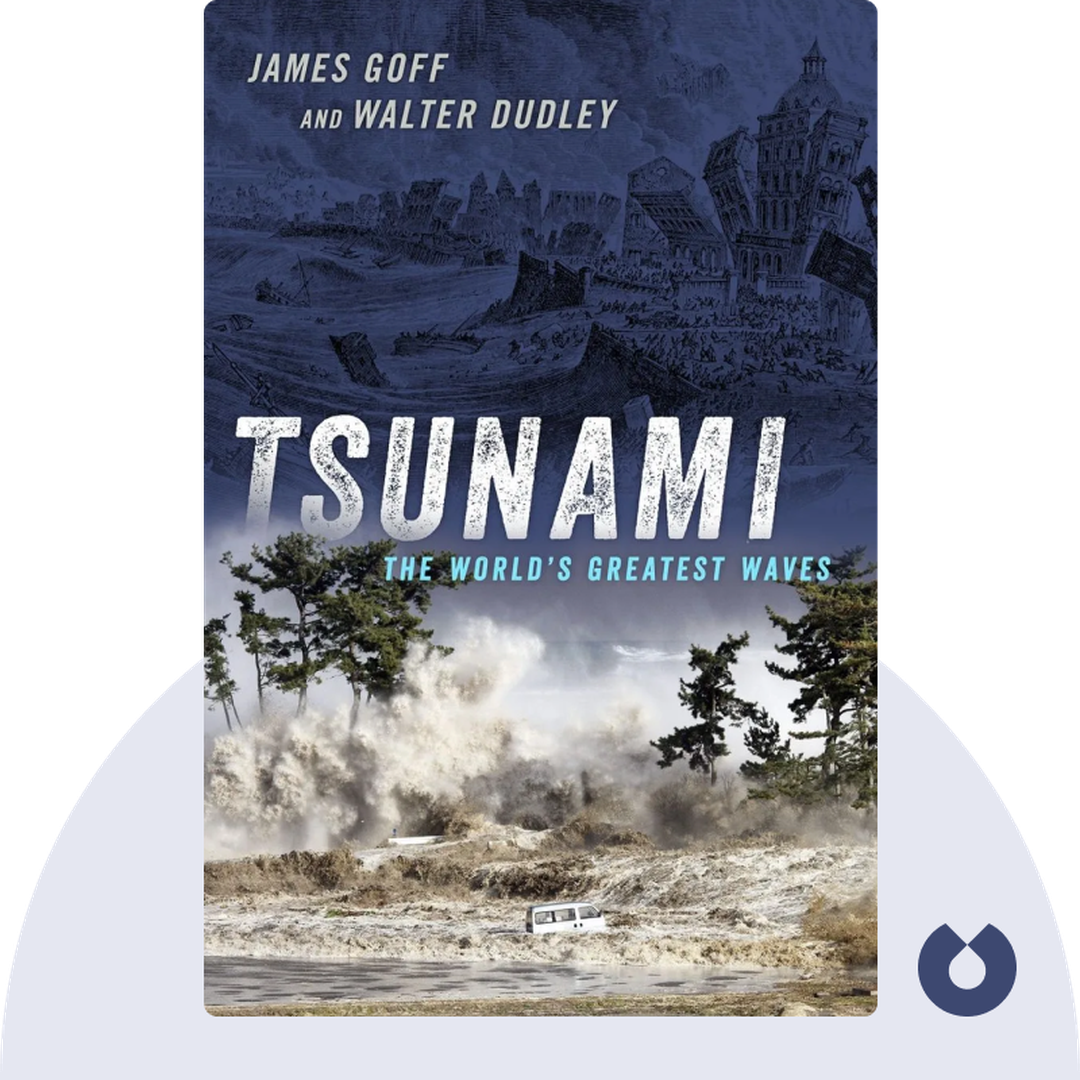
Tsunami (2021) uses a combination of ancient legends, scientific research, and survivor stories to take readers on an in-depth learning journey about some of the most significant tsunamis that have occurred throughout history. Through detailed descriptions of these incredible natural disasters, it teaches us that the lessons we learn from the past can help us live a safer future.
Who Should Listen to Tsunami?
- Anyone interested in learning about tsunamis
- History buffs
- Fans of natural disaster stories
Books Similar to Tsunami
Readers who enjoyed this also liked these titles.