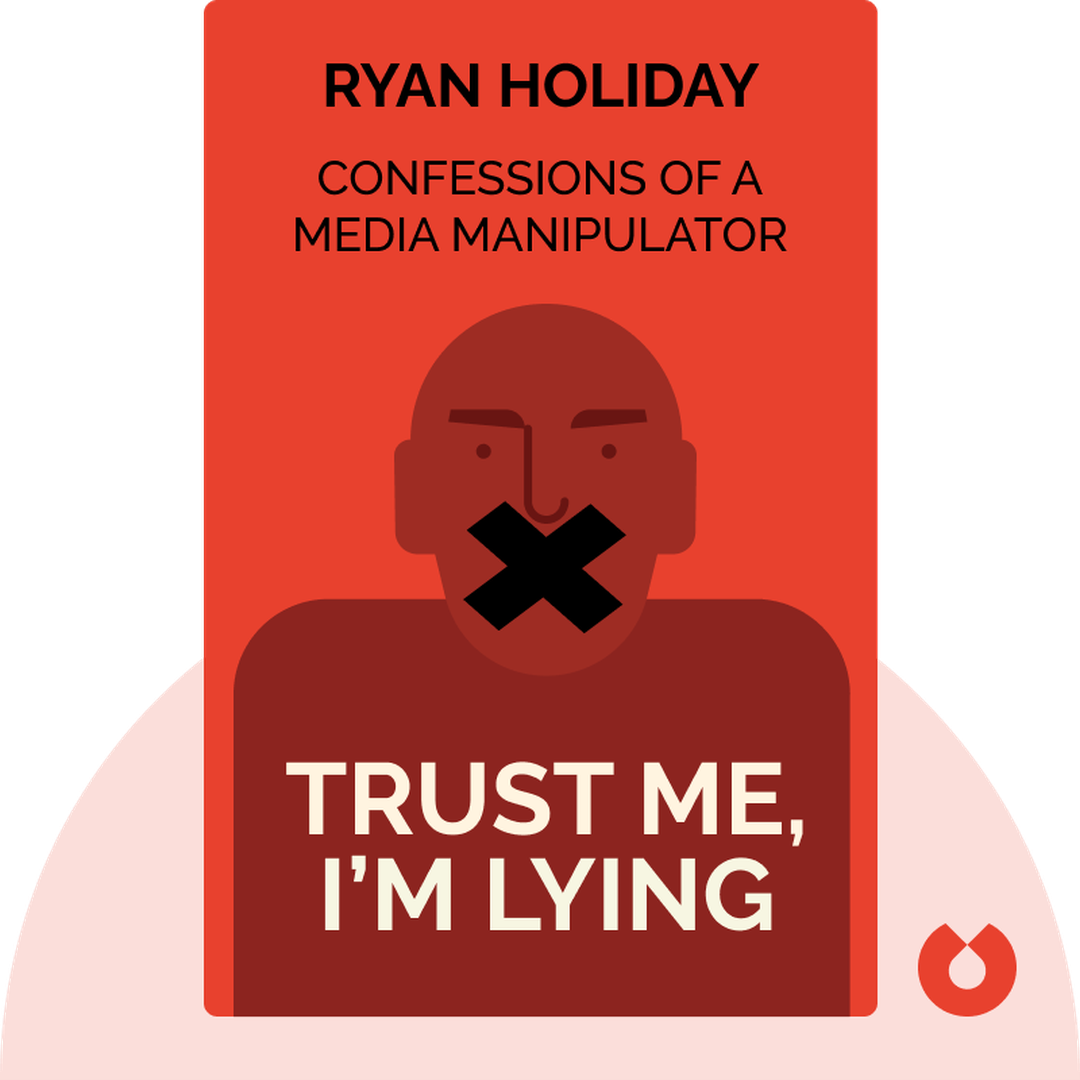
If You're Curious About These Questions...
You should listen to this audiobook
- Did you know that a single manufactured rumor on a tiny blog can be "traded up" to become a major national headline in just a matter of hours?
- Have you ever wondered why the news you read online often feels designed to make you angry rather than to keep you informed?
- Are you curious about the secret tactics media manipulators use to trick the world's most influential websites into reporting fake stories?
Listen to Trust Me, I’m Lying — Free Audiobook
Loading player...
Key Takeaways from Trust Me, I’m Lying
- Understand how trivial rumors escalate into national headlines as major news outlets continuously scrape smaller, interdependent blogs for fresh content.
- Discover why a blogger's primary motive is maximizing page impressions for ad revenue, often with the ultimate goal of selling their site to a massive media conglomerate.
- Learn how the dangerous practice of 'iterative journalism' encourages websites to publish unverified stories first and fact-check later just to keep readers endlessly browsing.
- Find out how online platforms use controversial headlines and computer-generated SEO algorithms to hijack web traffic, deliberately sacrificing accurate reporting for profitable page views.
- Recognize how digital publishers intentionally bait you with anger-inducing content to manipulate your emotions, forcing engagement, shares, and profitable online buzz.
Learning Tools
Reinforce what you learned from Trust Me, I’m Lying
Mind Map
Trust Me, I’m Lying
The Business Model+
The Content Chain+
Iterative Journalism+
Traffic-Driving Tactics+
Societal Impact+
Quiz — Test Your Understanding
Question 1 of 8
How do trivial stories often escalate into national news headlines in the modern media landscape?
Question 2 of 8
According to the text, what is the ultimate financial payoff most bloggers dream of achieving?
Question 3 of 8
What is 'iterative journalism' as practiced by modern blogs?
Question 4 of 8
When a blog publishes a false story that is later debunked, how do bloggers typically respond during the second stage of iterative journalism?
Question 5 of 8
Based on the Wharton School study of New York Times articles, which type of emotion is most likely to make an article go viral?
Question 6 of 8
According to a University of Michigan study, why do corrections or updates at the bottom of a false blog post often fail to fix the spread of misinformation?
Question 7 of 8
Why do blogs possess such enormous power to shape mainstream news and society, despite sometimes having relatively small direct audiences?
Question 8 of 8
How do blogs capitalize on the public's historical tendency toward 'witch hunts' and degradation ceremonies?
Trust Me, I’m Lying — Full Chapter Overview
- 1Recommendation
- 2Bloggers want to earn money: mainly through ads, though many also dream of selling their blogs for millions someday.
- 3Blogs depend on iterative journalism: publish first, verify and update later.
- 4Blogs need readers, so they’ll publish any trash that just grabs attention.
- 5Blogs purposely bait us with content that triggers an emotional response.
- 6Since blogs constantly correct and update their content, we seldom see news in its most accurate form.
- 7From sparking global protests to bolstering political campaigns, blogs have proved they can shape society.
- 8In the twenty-first century, blogs have become a platform for public witch hunts.
Trust Me, I’m Lying Summary & Overview
Trust Me, I’m Lying (2012) is an in-depth exposé of today’s news culture, which is primarily channeled through online media sites called blogs. By detailing his experiences with multimillion-dollar public relations campaigns, the author takes us behind the scenes of today’s most popular and influential blogs to paint an unsettling picture of why we shouldn’t believe everything that is labeled as news.
Who Should Listen to Trust Me, I’m Lying?
- Anyone interested in learning how blogs and other online news media work
- Anyone who wants to know why we should question what we read online
- Anyone looking to understand how blogs are affecting society
Books Similar to Trust Me, I’m Lying
Readers who enjoyed this also liked these titles.