If You're Curious About These Questions...
You should listen to this audiobook
- What if a single, intense psychedelic experience could provide the breakthrough for mental health struggles that years of traditional therapy couldn't?
- Are you curious about whether the 'life-changing' promises of modern ayahuasca retreats are backed by hard science or just high-priced marketing?
- Did you know that the same brew used for ancient Amazonian rituals is now at the center of a global wellness boom—but is it truly worth the risk?
Listen to Trippy — Free Audiobook
Loading player...
Key Takeaways from Trippy
- Understand why a worsening mental health crisis is driving disillusioned individuals to explore underground psychedelic therapies like ayahuasca and toad venom.
- Discover the intense and physically demanding nature of psychedelic ceremonies, which often involve uncomfortable rituals like purging and minor burns before psychological healing begins.
- Learn how taking a larger dose of ayahuasca can unlock repressed memories and traumas, leading to profound recalibrations of both mental clarity and physical health.
- Recognize the predatory risks hidden within luxury psychedelic retreats, where vulnerable participants under the influence are often targeted with expensive upselling and unproven medical scams.
- Explore the complex duality of the modern psychedelic landscape, where genuine, life-changing breakthroughs sit side-by-side with illegal underground practices and potential horror stories.
Learning Tools
Reinforce what you learned from Trippy
Mind Map
Trippy
The Psychedelic Appeal+
Underground US Therapy+
Transformative Potential+
Commercialization & Psychological Risks+
Abuse in the Amazon+
Future of Psychedelics+
Quiz — Test Your Understanding
Question 1 of 6
Why are individuals like Robert, the army veteran, increasingly turning to underground psychedelic therapies?
Question 2 of 6
What was the turning point that led to Ernesto Londoño's profound breakthrough during his retreat in Brazil?
Question 3 of 6
What major critique does Londoño have regarding the high-end Rythmia retreat in Costa Rica?
Question 4 of 6
What does Jenna's experience at the Costa Rican retreat illustrate about psychedelic therapy?
Question 5 of 6
According to anthropologist Daniela Peluso, why are foreign women particularly vulnerable to sexual assault at Amazonian shamanic retreats?
Question 6 of 6
How did Londoño ultimately view the effect of ayahuasca on his depression?
Trippy — Full Chapter Overview
- 1Recommendation
- 2The potential of psychedelics
- 3A life-changing experience with ayahuasca
- 4A luxury retreat in Costa Rica
- 5Rape within the Amazon
- 6Worth the journey?
Trippy Summary & Overview
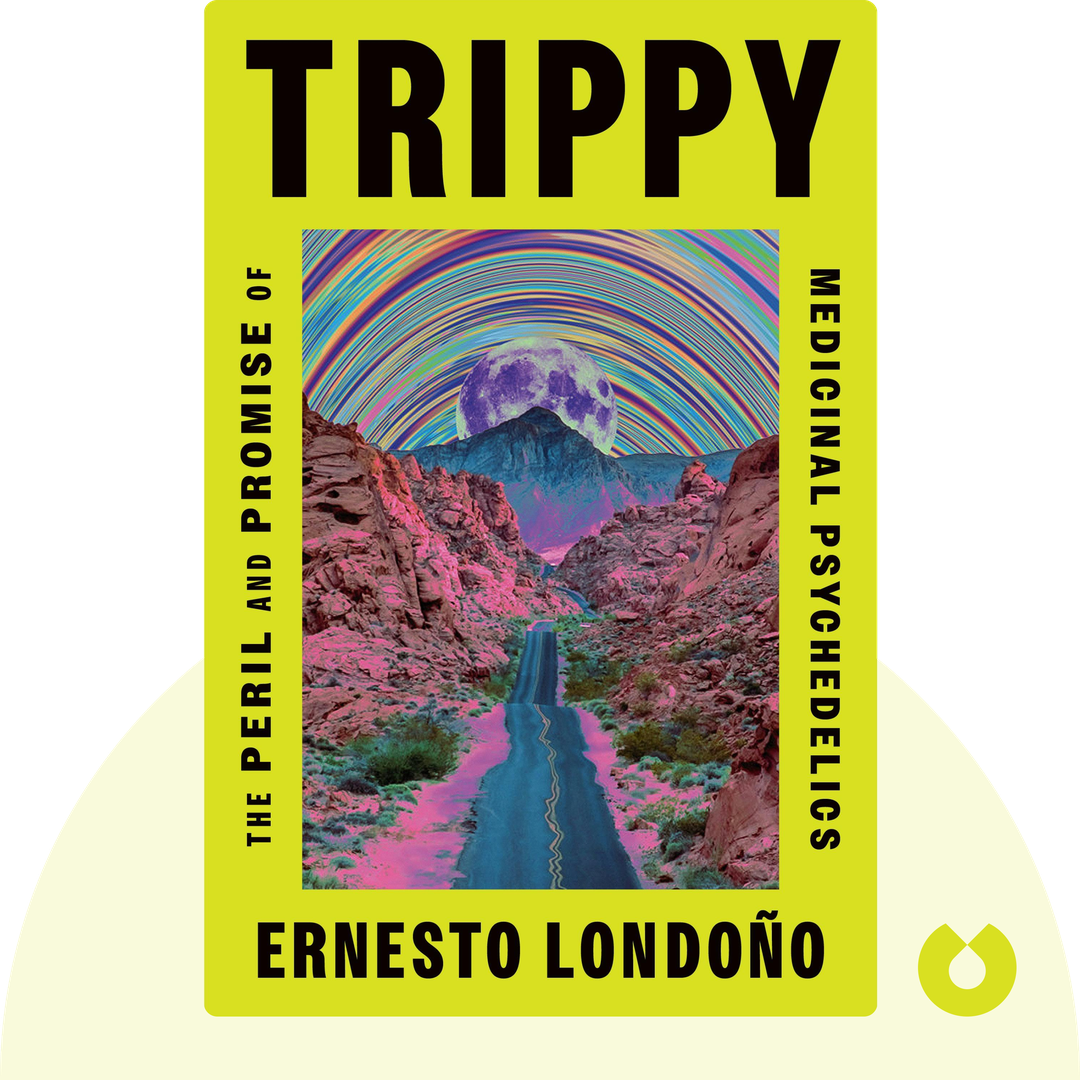
Trippy (2024) explores therapeutic uses of the psychedelic drug ayahuasca, and the rise of retreats that promise life-changing experiences. Weaving together personal anecdotes and science-based research, it begs the question: Is ayahuasca worth the cost, and the risk?
Who Should Listen to Trippy?
- Anyone interested in ayahuasca
- People who have struggled with their mental health
- Open-minded skeptics
Books Similar to Trippy
Readers who enjoyed this also liked these titles.